Why Are My Paphiopedilum sukhakulii Leaves Curling?
Paphiopedilum sukhakulii
By the Greg Editorial Team
Apr 16, 2024•5 min read
This article was created with the help of AI so we can cover more plants for you. May contain errors. See one? Report it here.
Solve the leaf-curl riddle 🍂 of your Paphiopedilum and reclaim its splendor with our proven tips!
- 🌡️ Temperature and humidity control prevent leaf curling.
- 🕷️ Combat pests with neem oil or insecticidal soap.
- 🌱 Nutrient balance is key; use correct fertilizer dosage.
Spotting the Culprits Behind the Curl
🌡️ Environmental Stressors
Temperature swings and humidity levels can turn your Paphiopedilum sukhakulii's leaves into a botanical bad hair day. Too hot or too cold, and your plant's leaves will curl up faster than a hedgehog in a dog park.
🌬️ Ensuring Proper Airflow
Make sure your plant isn't suffocating. Good air circulation is like a secret ingredient that keeps things fresh, preventing your plant from throwing a fit.
🐛 Pesty Problems
🕷️ Unmasking Tiny Troublemakers
Spider mites and aphids are the ninjas of the plant world, often invisible until the damage is done. Look for webbing or clusters of bugs under leaves to catch them red-handed.
🚪 Evicting Unwanted Guests
To send pests packing, show them the door with insecticidal soap or neem oil. Remember, it's an eviction, not a massacre—use these treatments judiciously.
🦠 Disease Dilemmas
🎯 Recognizing Fungal and Bacterial Foes
Fungal and bacterial infections can turn your plant's leaves into a crinkled mess. Spots or blights? It's time to play plant detective and get to the root of the issue.
💊 Choosing the Right Treatment
When it comes to battling back, fungicides can be your plant's best friend. But like any good friendship, it's all about boundaries—use according to the label's instructions.
Feeding Finesse to Fight the Curl
💡 Nutrient Know-How
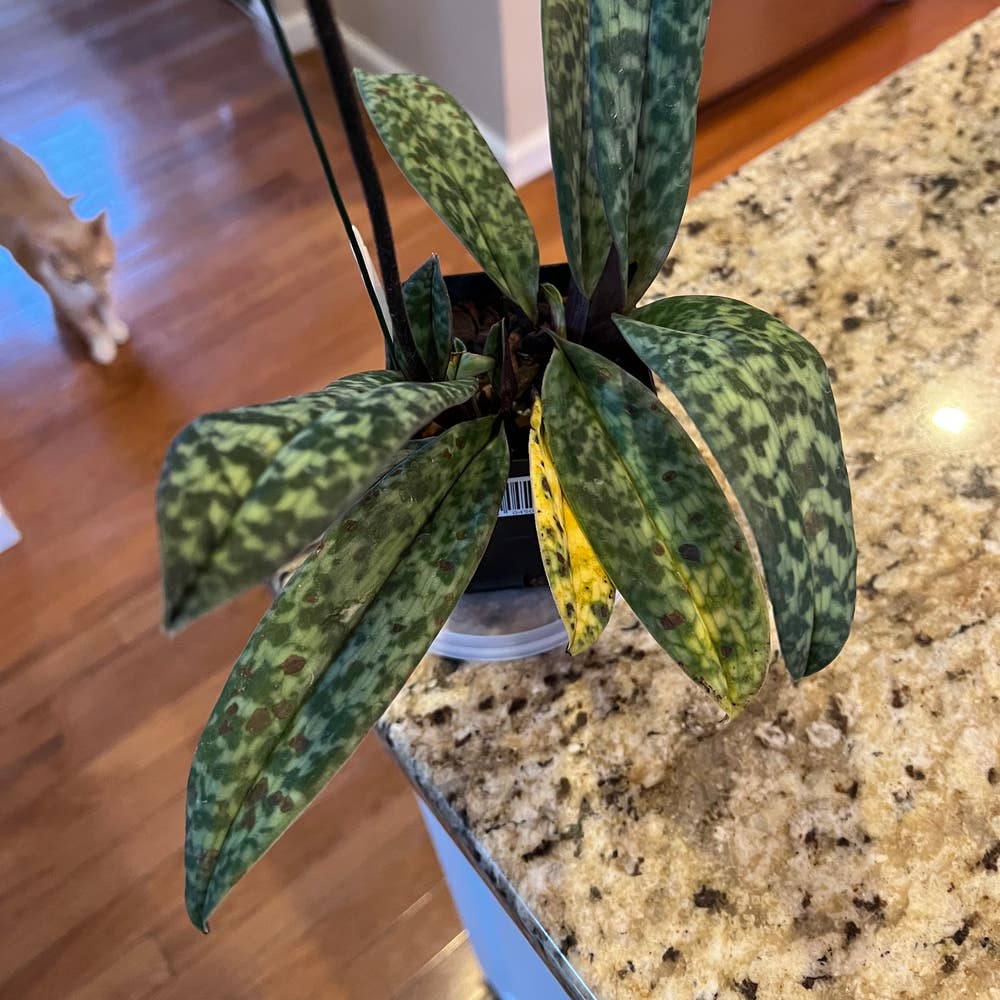
Yellow leaves may be shouting 'I need nitrogen!' If they're dotted with yellow, they could be pining for manganese or magnesium. Dead spots at the tips? Could be a nickel no-show. It's like your plant is putting on a silent opera, and each nutrient plays a crucial role in the performance.
🍽️ Fine-tuning your fertilization formula
Choosing the right fertilizer is not a guessing game; it's a science. Start small with a balanced, water-soluble option and watch your plant's reaction like a hawk. Overfeeding? That's the botanical equivalent of a sugar high—crash and burn. Stick to the recommended dosage to avoid a nutrient burn nightmare.
Organic options, like compost or worm castings, are the slow-release heroes of the plant world. They're not a quick fix, but they'll enrich your soil for the long haul. Synthetic fertilizers, on the other hand, are the fast food of the garden—quick and potent, but overdo it, and you'll get a salt buildup that's bad news for your plant's roots.
Seasons change, and so should your fertilization routine. Your plant's life cycle dictates its dietary needs. It's not about dumping a bunch of nutrients and hoping for the best—it's about precision and care. For a calcium kick, try adding lime or finely crushed eggshells. If magnesium is the missing piece, a dash of Epsom salts can do the trick. But remember, moderation is key—too much of a good thing can lead to a world of curled leaves.
Curl Correction: A Step-by-Step Rescue Plan
🌡️ Environmental Adjustments
Fine-tuning your plant's climate is the first step in the curl correction crusade. Ensure the temperature is stable—think lukewarm, not tropical heatwave or arctic chill. Humidity is your next battlefield; aim for that sweet spot where the air isn't too soggy or bone-dry. A pebble tray or humidifier could become your new best friend.
🛡️ Pest and Disease Combat
When it comes to pests, think of neem oil as your organic shield. It's not a quick fix but a steadfast ally in your long-term war on bugs. For a more immediate impact, insecticidal soap or a strong water jet can send pests packing. Fungicides and bactericides are your go-to for disease skirmishes, but wield them wisely to avoid collateral damage to your plant's ecosystem.
🍽️ Nutritional Revival
Nutrient deficiencies can turn your plant into a sad, curled-up mess. A balanced fertilizer with an even NPK ratio is your nutritional knight in shining armor. But remember, moderation is key—too much of a good thing can lead to nutrient overload. If you've gone overboard, flush the soil to give your plant a fresh start. Don't forget the micronutrients; sometimes, an epsom salt spray is all it takes to perk those leaves right up.
Keeping the Leaves Lush and Level
🕵️ Regular Reconnaissance
Regular plant check-ups are the cornerstone of Paphiopedilum sukhakulii health. Think of it as a weekly coffee date; you're looking for any signs that scream "I'm not okay!"—like pests playing hide-and-seek or leaves that just don't look right. Early detection is your best shot at keeping those leaves flat and fabulous.
🌡️ Optimal Living Conditions
Your Paphiopedilum sukhakulii craves a Goldilocks zone—not too hot, not too cold, just right. Ensure it's living its best life with the perfect balance of light, temperature, and humidity. It's like setting the stage for a plant to strut its stuff without a worry in the world. Consistency in care is key; it's what keeps those leaves from throwing a curling tantrum.
🛡️ Proactive Pest and Disease Defense
Think of pest and disease defense as a fortress you build around your plant. It's a mix of keeping things clean, using the right tools, and staying as vigilant as a hawk. Spot a problem? Isolate like you're dealing with a top-secret mission. And remember, cleanliness is next to godliness—keep those tools sterile to avoid any microbial mischief. Prevention beats cure every time, so don't slack on the safeguards.
⚠️ Safety First
This content is for general information and may contain errors, omissions, or outdated details. It is not medical, veterinary advice, or an endorsement of therapeutic claims.
Always consult a qualified healthcare professional before using any plant as food, medicine, or supplement.
Never eat any plant (or feed one to pets) without confirming its identity with at least two trusted sources.
If you suspect poisoning, call Poison Control (800) 222-1222, the Pet Poison Helpline (800) 213-6680, or your local emergency service immediately.
Spotted an error? Please report it here.
Ensure your Paphiopedilum sukhakulii thrives with Greg's 🌿 tailored environment tips and proactive pest management, preventing those pesky leaf curls.