🦋 Attracting Pollinators to Your Sukhakul's Paphiopedilum
Paphiopedilum sukhakulii
By the Greg Editorial Team
Oct 02, 2024•6 min read
This article was created with the help of AI so we can cover more plants for you. May contain errors. See one? Report it here.
Boost your Sukhakul's Paphiopedilum's beauty and pollination success with these essential tips! 🌺
- 🌸 Sukhakul's Paphiopedilum attracts bees, butterflies, and moths with its vibrant colors and scents.
- 🐝 Hand pollination boosts fertilization success; timing is key during peak blooming.
- 🌿 Create a pollinator-friendly garden with diverse plants to enhance pollination efforts.
Flower Structure
Description of Components 🌺
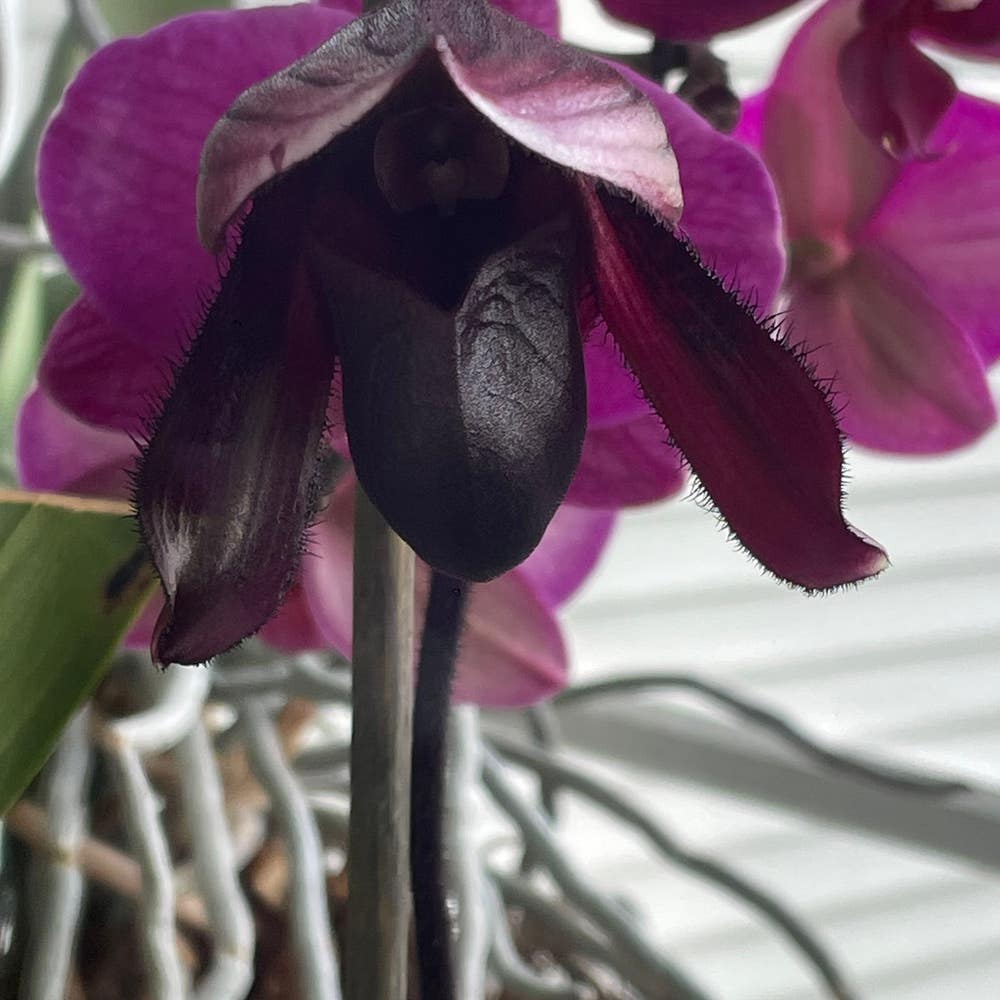
Sukhakul's Paphiopedilum boasts petals with a unique shape and vibrant coloration, specifically designed to attract certain pollinators. These striking features not only catch the eye but also signal to pollinators that a rewarding visit awaits.
The sepals of this orchid are arranged in a way that enhances its visual appeal, creating a stunning display. Their colors complement the petals, making the flower even more enticing to potential pollinators.
Stamens play a crucial role in the flower's reproductive process. Their strategic position and structure facilitate effective pollen transfer, ensuring that pollinators can easily access the pollen they need.
Pistils are equally important, as they receive pollen and initiate fertilization. This process is vital for the plant's reproductive success, allowing it to produce seeds and continue its life cycle.
Role in Pollination 🐝
The structure of Sukhakul's Paphiopedilum supports both self-pollination and cross-pollination. Its design allows for efficient pollen transfer, whether from its own flowers or from those of other plants.
One standout feature is the pouch-like lip, which serves a dual purpose. Not only does it attract specific pollinator species, but it also provides a landing pad, making it easier for them to access the flower's reproductive parts. This clever adaptation enhances the chances of successful pollination, ensuring the plant thrives in its environment.
As we delve deeper into the pollination process, we’ll explore how these structural elements come into play during self-pollination and cross-pollination.
Pollination Process
Self-Pollination Explanation 🌱
Sukhakul's Paphiopedilum has evolved mechanisms for self-pollination, allowing it to fertilize itself without needing external help. This adaptability ensures that even in isolated conditions, the plant can produce seeds and maintain its population.
Self-pollination offers several benefits, including increased plant health and a reliable seed supply. It reduces dependency on pollinators, which can be unpredictable, especially in changing environments.
Cross-Pollination Requirements 🐝
While self-pollination is effective, cross-pollination enhances genetic diversity. Key pollinators for Sukhakul's Paphiopedilum include bees, butterflies, and moths, each attracted by the flower's unique structure and enticing scent.
The flower's vibrant colors and alluring fragrances play a crucial role in drawing these pollinators in. By creating a welcoming environment, Sukhakul's Paphiopedilum maximizes its chances of successful cross-pollination, leading to healthier offspring.
Understanding these processes not only enriches our appreciation of this beautiful orchid but also sets the stage for exploring natural pollination mechanisms.
Natural Pollination Mechanisms
🌼 Pollen Transfer Mechanisms
Pollinators play a crucial role in transferring pollen from one flower to another. As they visit Sukhakul's Paphiopedilum for nectar, their bodies brush against the stamens, picking up pollen grains.
Environmental factors like temperature and humidity significantly influence this process. Optimal conditions enhance pollinator activity, ensuring that pollen transfer occurs efficiently and effectively.
🐝 Importance of Pollination
Pollination is vital for the reproduction of Sukhakul's Paphiopedilum. It not only facilitates seed production but also contributes to genetic diversity within the species.
Cross-pollination, in particular, enhances genetic variation. This diversity strengthens the plant's resilience and adaptability, making it better equipped to thrive in changing environments.
With a solid understanding of these mechanisms, you can appreciate the intricate relationships between Sukhakul's Paphiopedilum and its pollinators. Next, we’ll explore hand pollination techniques to further support these beautiful orchids.
Hand Pollination Techniques
Hand pollination can be a rewarding way to ensure the success of Sukhakul's Paphiopedilum. Here’s a straightforward guide to help you navigate this process effectively.
Step 1: Identifying Male and Female Flower Parts 🌸
Start by familiarizing yourself with the flower's anatomy. The male parts, known as stamens, produce pollen, while the female part, the pistil, receives it. Recognizing these components is crucial for successful hand pollination.
Step 2: Collecting Pollen 🧪
Gathering pollen is your next step. Gently tap or brush the anther, the pollen-producing part of the stamen, using a small tool like a cotton swab or a fine brush. This technique minimizes damage while ensuring you collect enough pollen for transfer.
Step 3: Transferring Pollen ✋
Now, it’s time to apply the pollen. Carefully touch the collected pollen to the stigma, the receptive part of the pistil. Make sure to cover it thoroughly to increase the chances of successful fertilization.
Step 4: Timing for Success ⏰
Timing is everything in hand pollination. Aim to perform this task during the flower's peak blooming period, typically in the morning when the flower is most receptive. This increases the likelihood of successful fertilization.
Hand pollination not only boosts seed production but also deepens your connection with these beautiful orchids. Next, let’s explore how to create a pollinator-friendly environment to support your gardening efforts.
Supporting Pollinators
🌼 Creating a Pollinator-Friendly Environment
Designing a garden that attracts beneficial pollinators starts with thoughtful planning. Incorporate a variety of flowering plants that bloom at different times to provide a continuous food source.
Consider native plants, as they are often more appealing to local pollinators. Additionally, avoid using pesticides, which can harm these essential creatures.
🎨 Importance of a Diverse Plant Palette
A diverse plant palette is crucial for supporting various pollinators. Different species attract different pollinators, ensuring that your garden remains vibrant and productive.
By including a mix of colors, shapes, and scents, you can create an inviting habitat that encourages pollinator visits.
🌱 Companion Plants
Companion plants can significantly enhance the pollination success of Sukhakul's Paphiopedilum. Consider planting species like lavender, bee balm, or coneflower, which are known to attract bees and butterflies.
These plants not only draw in pollinators but also create a more balanced ecosystem in your garden. Their presence can lead to increased pollination rates for your orchids.
🌍 Enhancing Overall Pollination Success
Companion plants can improve the overall health of your garden. They provide shelter and food for beneficial insects, creating a thriving environment.
By fostering a community of plants that work together, you can ensure that your Sukhakul's Paphiopedilum receives the attention it needs for successful pollination.
As you cultivate your garden, remember that every small effort contributes to a larger ecosystem. With the right environment and companion plants, you can create a haven for pollinators and enjoy the beauty of flourishing orchids.
Next, let’s explore the challenges that can arise during the pollination process and how to overcome them.
Pollination Challenges and Solutions
🚧 Common Obstacles
Pollination can be a tricky business for Sukhakul's Paphiopedilum. Environmental factors like lack of humidity and temperature fluctuations can significantly hinder the process.
Seasonal variations also play a role. For instance, extreme heat or cold can disrupt the delicate balance needed for successful pollination, affecting both self-pollination and cross-pollination.
🛠️ Solutions for Overcoming Challenges
Gardeners can take proactive steps to mitigate these challenges. One effective strategy is to create a microclimate that maintains consistent humidity levels around your orchids.
Consider using humidity trays or misting systems to enhance moisture in the air. Additionally, placing your plants in shaded areas can help regulate temperature, protecting them from harsh sunlight.
For those facing seasonal challenges, timing is key. Monitor weather patterns and adjust your care routine accordingly to ensure your Paphiopedilum thrives throughout the year.
By implementing these techniques, you can create an environment that supports successful pollination and fosters the health of your orchids.
With a little effort, you can overcome these obstacles and enjoy the beauty and diversity that comes from a well-pollinated garden. Next, let’s explore hand pollination techniques to further enhance your success!
⚠️ Safety First
This content is for general information and may contain errors, omissions, or outdated details. It is not medical, veterinary advice, or an endorsement of therapeutic claims.
Always consult a qualified healthcare professional before using any plant as food, medicine, or supplement.
Never eat any plant (or feed one to pets) without confirming its identity with at least two trusted sources.
If you suspect poisoning, call Poison Control (800) 222-1222, the Pet Poison Helpline (800) 213-6680, or your local emergency service immediately.
Spotted an error? Please report it here.
Create a pollinator paradise 🌼 for your Sukhakul's Paphiopedilum with Greg's tailored care tips, ensuring your orchid attracts bees, butterflies, and moths for thriving blooms!