🐞 What's Eating Your Sukhakul's Paphiopedilum
Paphiopedilum sukhakulii
By the Greg Editorial Team
Oct 02, 2024•6 min read
This article was created with the help of AI so we can cover more plants for you. May contain errors. See one? Report it here.
Protect your stunning Sukhakul's Paphiopedilum from herbivores while nurturing a vibrant garden ecosystem! 🌼
- 🌺 Sukhakul's Paphiopedilum dazzles with vibrant colors and intricate flower patterns.
- 🦌 Deer, rabbits, and squirrels threaten this orchid; effective deterrents are essential.
- 🌼 Beneficial insects like bees enhance pollination, vital for the orchid's success.
Description and Appeal
🌺 Appearance and Unique Features
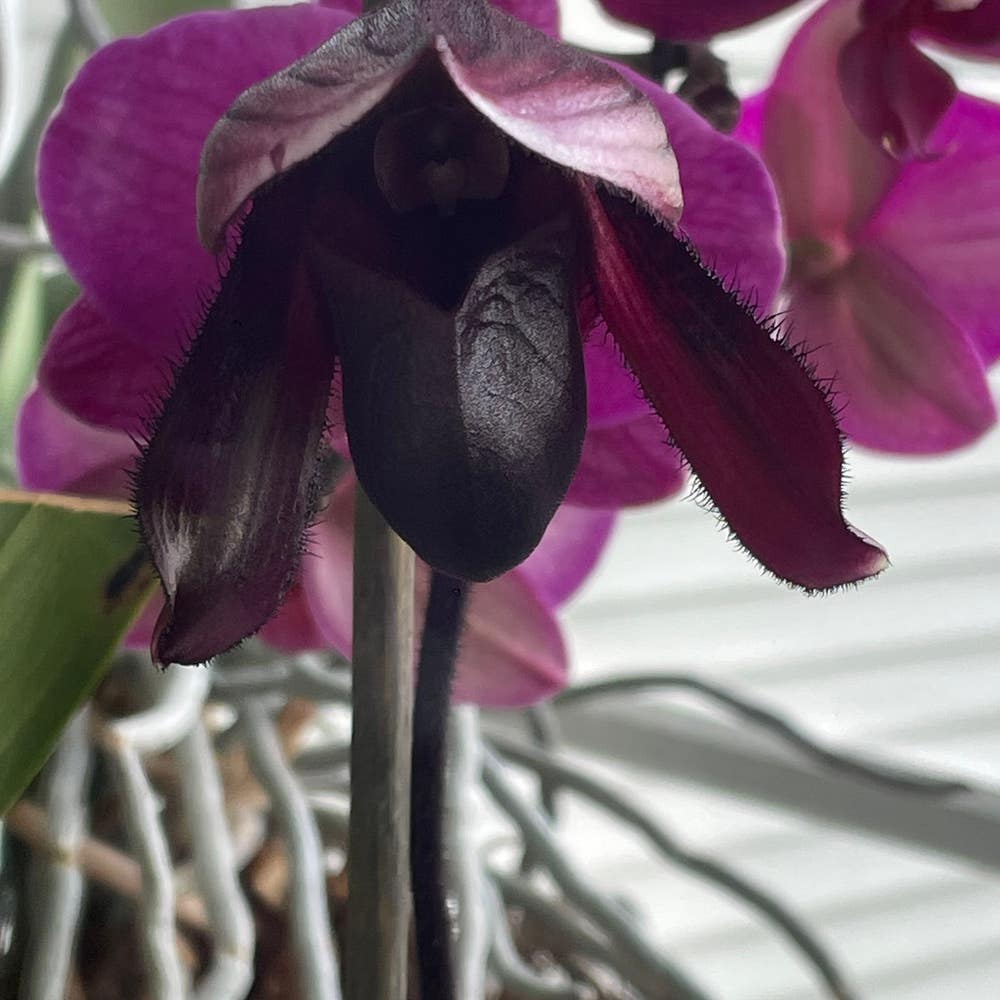
The Sukhakul's Paphiopedilum is a showstopper in any garden. Its striking flowers boast intricate patterns and vibrant colors that captivate anyone who lays eyes on them.
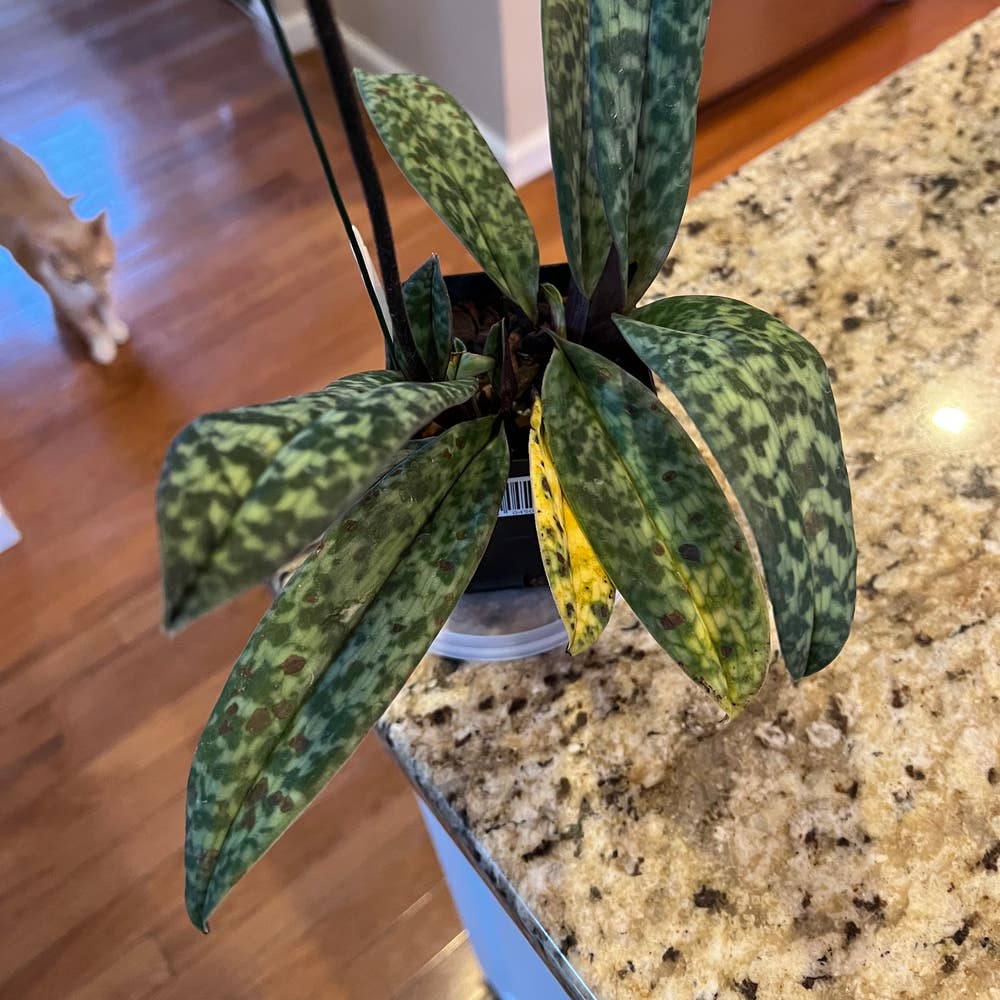
The unique leaf patterns further enhance its visual appeal. These leaves not only add texture but also create a lush backdrop for the stunning blooms.
🌱 Growth Habit
This terrestrial orchid thrives in tropical environments, making it a perfect choice for warm, humid climates. Its growth habit allows it to adapt well to various garden settings, bringing a touch of the exotic to your landscape.
🐾 Most Appealing Parts to Animals
The flowers are particularly appealing to herbivores due to their tender and nutrient-rich nature. Young shoots also attract attention, offering a soft texture and high nutritional value.
Additionally, the nectar produced by these orchids is a magnet for pollinators and herbivores alike. This sweet reward plays a crucial role in the plant's reproductive success while drawing in a variety of wildlife.
In summary, the Sukhakul's Paphiopedilum is not just a feast for the eyes; it's also a vital part of the ecosystem. Understanding its appeal helps gardeners appreciate the delicate balance between beauty and biodiversity.
Next, let’s explore the common herbivores that might be drawn to this stunning orchid.
Common Herbivores
🦌 Deer
Signs of presence and damage caused
Deer are notorious for their browsing habits. Look for clean cuts on leaves and flowers, along with hoof prints in the soil, indicating their presence.
Interaction: beneficial or harmful
Unfortunately, deer are generally harmful to your Sukhakul's Paphiopedilum. Their feeding can severely damage or even kill the plant.
Deterrent methods (difficulty: moderate)
To keep deer at bay, consider using commercial deer repellents. Alternatively, planting deer-resistant species nearby or scattering human hair or soap shavings can be effective organic methods.
🐇 Rabbits
Signs of presence and damage caused
Rabbits leave behind distinct signs, such as gnaw marks on stems and leaves. You may also find their droppings near the plant.
Interaction: beneficial or harmful
Like deer, rabbits are generally harmful. Their feeding can stunt growth and reduce flowering, impacting the plant's overall health.
Deterrent methods (difficulty: easy)
For a quick fix, apply bitter-tasting sprays as chemical deterrents. Organic options include erecting a fence 2-3 feet high or using repellents like cayenne pepper.
🐿️ Squirrels
Signs of presence and damage caused
Squirrels can be quite destructive, leaving chewed flowers and leaves in their wake. You might also find nesting materials nearby, indicating their activity.
Interaction: beneficial or harmful
Squirrels are generally harmful as well. Their chewing can damage flowers and disrupt the plant's growth.
Deterrent methods (difficulty: moderate)
To deter squirrels, consider using squirrel repellents. Installing motion-activated sprinklers or reflective materials can also help keep them away.
🐦 Birds
Signs of presence and damage caused
Birds can be both friends and foes. Look for peck marks on flowers and leaves, along with signs of nesting activity nearby.
Interaction: beneficial or harmful
Birds have a mixed interaction with your plant. While some may help with pollination, others can cause damage to flowers.
Deterrent methods (difficulty: easy)
To protect your plant, use bird-safe repellents as a chemical deterrent. Organic methods like netting or reflective tape can also effectively deter unwanted birds.
🐭 Rodents
Signs of presence and damage caused
Rodents can wreak havoc on your Sukhakul's Paphiopedilum. Look for chewed roots and stems, as well as burrows or tunnels near the plant.
Interaction: beneficial or harmful
Rodents are generally harmful, causing significant damage to the plant.
Deterrent methods (difficulty: hard)
For rodent control, chemical deterrents like bait stations can be effective. Alternatively, trapping and using natural predators like barn owls can help manage their population.
Understanding these common herbivores is crucial for protecting your Sukhakul's Paphiopedilum. With the right deterrent methods, you can create a thriving environment for your plant while minimizing damage from these unwelcome visitors. Next, let’s explore the beneficial animals that can enhance your garden ecosystem.
Beneficial Animals and Ecosystem Impact
🐝 Description of Beneficial Animals Attracted
Your Sukhakul's Paphiopedilum isn't just a feast for herbivores; it also attracts a host of beneficial animals. Pollinators like bees and butterflies are drawn to its nectar, playing a crucial role in the plant's reproductive cycle.
Additionally, predatory insects such as ladybugs and lacewings help keep pest populations in check. Their presence is vital for maintaining a healthy garden ecosystem.
🌱 Positive Impacts on the Garden Ecosystem
The benefits of these beneficial animals extend beyond mere attraction. Enhanced pollination from bees and butterflies leads to better flowering and seed production, ensuring your orchids thrive.
Moreover, the natural pest control provided by ladybugs and lacewings reduces the need for chemical interventions. This creates a more balanced and sustainable environment for your plants to flourish.
Incorporating these beneficial animals into your garden not only supports your Sukhakul's Paphiopedilum but also fosters a vibrant ecosystem. By understanding their roles, you can cultivate a garden that thrives on natural interactions.
As we explore protection strategies next, consider how to maintain this delicate balance while safeguarding your plants from potential threats.
Protection Strategies
🛡️ Preventive Measures
Regular monitoring for signs of herbivore activity is crucial. Keep an eye out for any unusual nibbling or damage to your Sukhakul's Paphiopedilum.
Creating a diverse garden ecosystem can also help. By attracting beneficial animals, you can naturally reduce herbivore pressure.
⚠️ Reactive Solutions
If you notice damage, act quickly. Immediate removal of affected parts can prevent further attraction of pests.
Using barriers and traps is another effective strategy. These can physically deter herbivores from reaching your prized orchids.
🌱 Maintaining a Balanced Ecosystem
Understanding the role of herbivores and beneficial insects is key. This knowledge allows you to manage your garden more effectively.
Implementing integrated pest management strategies can create a harmonious environment. This approach balances the needs of your plants with those of the local wildlife, ensuring a thriving garden.
By taking these steps, you can protect your Sukhakul's Paphiopedilum while fostering a vibrant ecosystem. Next, let’s explore seasonal considerations that affect animal interactions with your plants.
Seasonal Considerations
🌸 Seasonal Variations in Animal Attraction
Spring and early summer bring a surge of herbivore activity. During this time, young shoots and flowers of the Sukhakul's Paphiopedilum are particularly vulnerable.
⏰ Timing of Plant Vulnerability
The tender new growth is a magnet for hungry animals. This is when your orchid needs the most protection, as it’s at its peak attractiveness to herbivores.
⚠️ Toxicity and Safety
Discussion of Any Toxic Effects
Certain parts of the Sukhakul's Paphiopedilum exhibit mild toxicity. This can act as a natural deterrent for some herbivores, offering a layer of defense.
Implications for Animal Interactions
However, not all animals are deterred by this toxicity. Understanding which herbivores can tolerate it is crucial for managing your plant's health.
⚖️ Balancing Herbivores and Ecological Role
It's essential to find a balance between the presence of herbivores and the ecological role of your orchid. Recognizing the interactions within your garden can lead to a healthier ecosystem overall.
By staying vigilant during these critical seasons, you can protect your Sukhakul's Paphiopedilum while fostering a thriving garden environment. Next, we’ll explore effective protection strategies to safeguard your plants from potential threats.
⚠️ Safety First
This content is for general information and may contain errors, omissions, or outdated details. It is not medical, veterinary advice, or an endorsement of therapeutic claims.
Always consult a qualified healthcare professional before using any plant as food, medicine, or supplement.
Never eat any plant (or feed one to pets) without confirming its identity with at least two trusted sources.
If you suspect poisoning, call Poison Control (800) 222-1222, the Pet Poison Helpline (800) 213-6680, or your local emergency service immediately.
Spotted an error? Please report it here.
Keep your Sukhakul's Paphiopedilum thriving 🌺 by using Greg's personalized pest management tips to fend off herbivores and protect its stunning beauty in your garden!