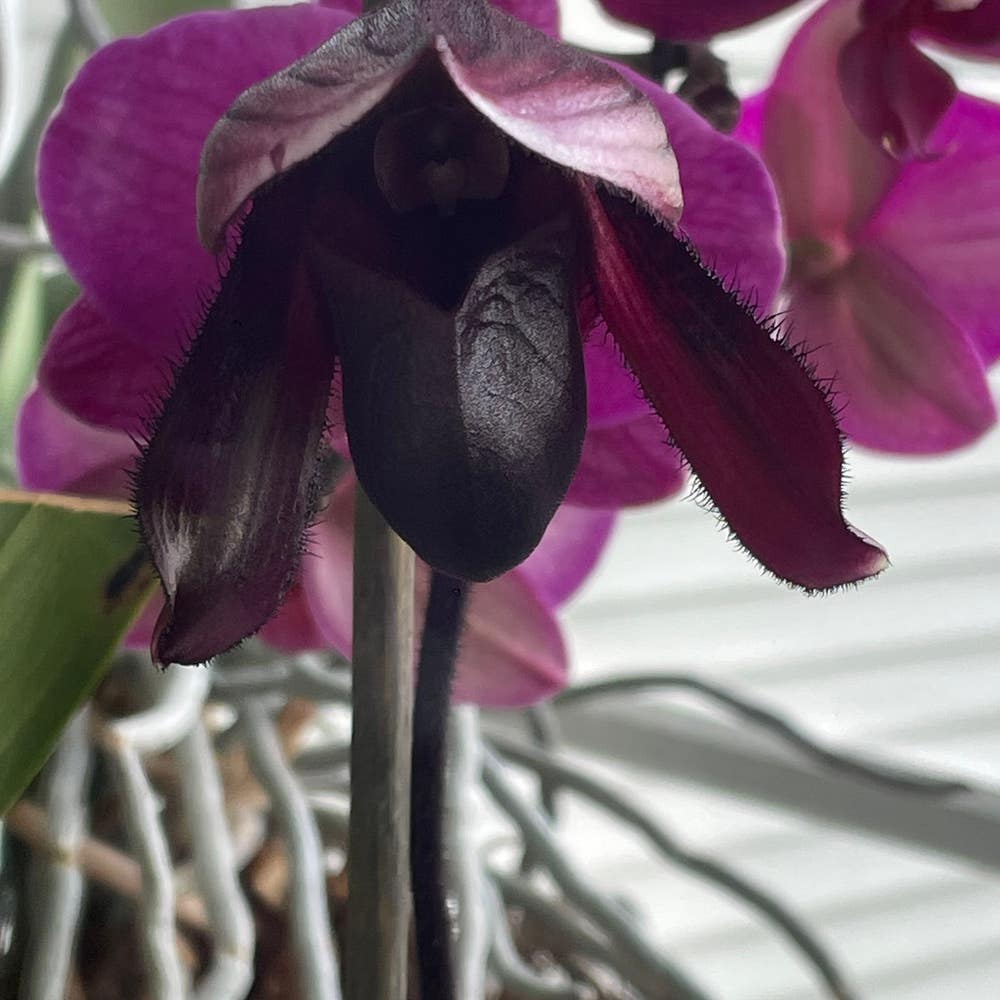
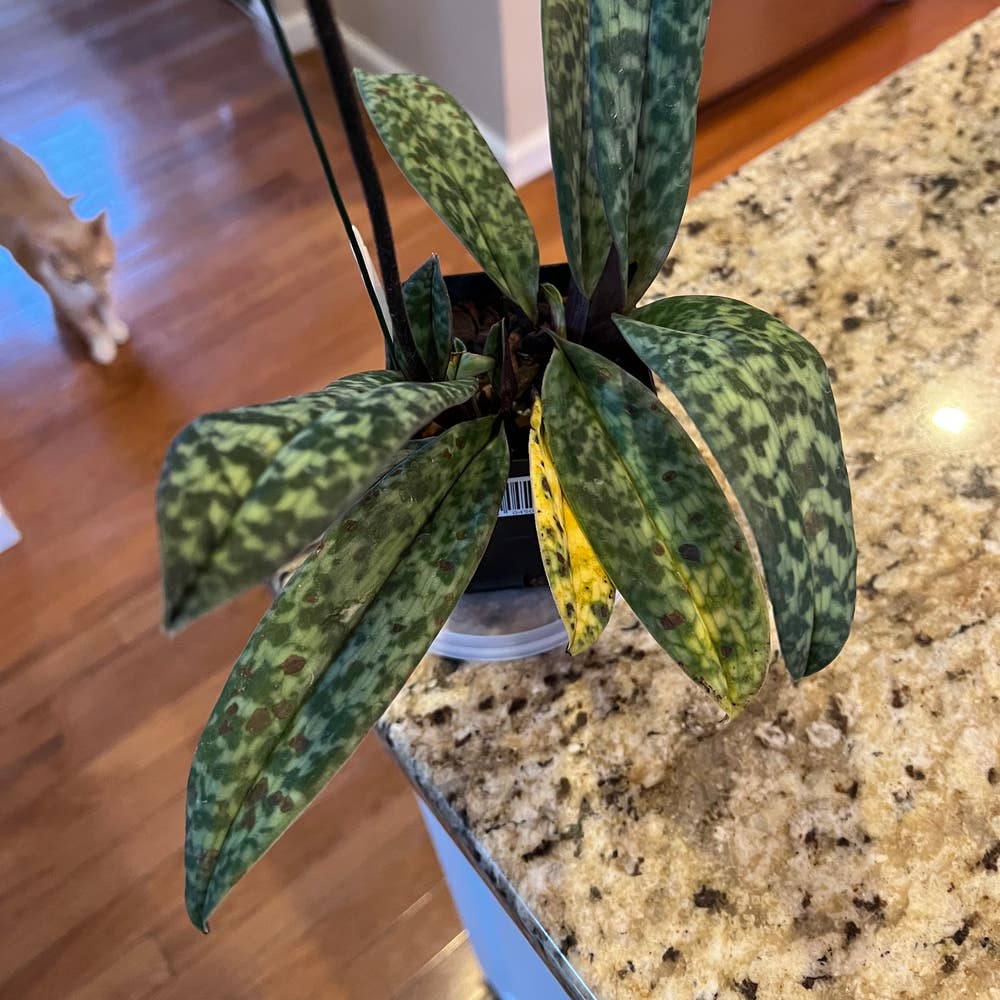
🌸 3 Factors for Optimal Sukhakul's Paphiopedilum Growth
Paphiopedilum sukhakulii
By the Greg Editorial Team
Oct 02, 2024•5 min read
This article was created with the help of AI so we can cover more plants for you. May contain errors. See one? Report it here.
Cultivate stunning Sukhakul's Paphiopedilum orchids year-round with these essential care tips! 🌱
- 🌞 Indoor vs. outdoor: Choose the right location for optimal Sukhakul's Paphiopedilum growth.
- 🌱 Well-draining soil is essential; mix bark, perlite, and sphagnum moss for best results.
- 💧 Water every 7-10 days and adjust based on seasonal changes for healthy orchids.
Cultivation Techniques
Choosing the Right Location 🌍
When it comes to growing Sukhakul's Paphiopedilum, location is key. Indoor growing offers a controlled environment, ensuring stable humidity and temperature, which is ideal for these delicate orchids.
On the other hand, outdoor growing requires careful selection of shaded areas. Protecting your plants from direct sunlight is crucial to prevent leaf burn and stress.
Soil Preparation and Potting Mix Recommendations 🪴
The right soil mix can make all the difference. Aim for a well-draining composition that includes bark, perlite, and sphagnum moss to provide the perfect balance of moisture retention and aeration.
Additionally, monitor the pH levels of your soil. A slightly acidic to neutral range (pH 6.0-7.0) is optimal for healthy growth.
Container Selection and Drainage Considerations 🧺
Choosing the right container is essential for your orchid's success. Plastic pots are lightweight and retain moisture, while clay pots offer better airflow and drainage.
Regardless of the type, ensure your containers have adequate drainage holes. This helps maintain proper airflow and prevents waterlogging, which can lead to root rot.
By following these cultivation techniques, you set the stage for thriving Sukhakul's Paphiopedilum. Next, let’s dive into the essential aspects of watering and fertilizing to keep your orchids flourishing.
Watering and Fertilizing
💧 Watering Frequency and Techniques
To keep your Sukhakul's Paphiopedilum thriving, establish a consistent watering schedule. Aim to water every 7-10 days, ensuring the top inch of soil dries out between sessions.
When it comes to techniques, consider the soaking method or bottom watering. Both methods help retain moisture effectively, promoting healthy root development.
🌱 Best Practices for Fertilizing
For fertilizing, opt for a balanced orchid fertilizer with a ratio of 30-10-10. Dilute it to half strength to avoid overwhelming your plant.
Feed your Paphiopedilum monthly during the growing season, which spans spring and summer. This routine will provide the essential nutrients needed for robust growth.
🍂 Seasonal Adjustments for Watering and Feeding
As the seasons change, so should your watering frequency. Increase watering during warmer months to match the plant's growth demands, and reduce it in winter when the plant enters dormancy.
Similarly, adjust your fertilizing schedule. Cut back on feeding during the fall and winter months to align with the plant's natural rest period. This approach ensures your Paphiopedilum remains healthy and vibrant year-round.
With these watering and fertilizing strategies in place, your plant will be well-equipped to flourish. Next, let’s explore the essential pruning and maintenance techniques to keep your Paphiopedilum in top shape.
Pruning and Maintenance
When and How to Prune 🌿
Post-bloom pruning is essential for encouraging new growth in Sukhakul's Paphiopedilum. Use sterilized tools to cut back spent flower spikes, ensuring a clean cut to promote healthy regrowth.
Ongoing Care Routine for Optimal Growth 🕵️♀️
Regular inspections are crucial for spotting pests and signs of stress early. Keep an eye out for any changes in your plant's appearance to catch issues before they escalate.
Moisture monitoring is another key aspect of care. Using moisture meters can provide accurate readings, helping you maintain the right balance for your orchid.
Signs of Stress and How to Address Them 🚨
Yellowing leaves often indicate overwatering or a nutrient deficiency. If you notice this, assess your watering schedule and consider adjusting your fertilization routine.
Wilting can signal underwatering or root rot. Check the soil moisture and inspect the roots to determine the best course of action for recovery.
By staying vigilant and proactive in your pruning and maintenance, you can ensure your Sukhakul's Paphiopedilum thrives beautifully. Next, let’s explore common challenges and solutions to keep your orchid in top shape.
Common Challenges and Solutions
🐛 Identifying and Managing Pests and Diseases
Pests can be a real headache for Sukhakul's Paphiopedilum. Common culprits include aphids, mealybugs, and spider mites, which can sap your plant's vitality.
To manage these pests, regular inspections are key. If you spot any, treat them promptly with insecticidal soap or neem oil to keep your plants healthy.
Fungal infections and root rot are also concerns. Ensure good airflow and avoid overwatering to prevent these issues from taking hold.
🧐 Troubleshooting Common Growth Issues
Slow growth can be frustrating. This might stem from insufficient light, poor soil quality, or improper watering.
To remedy this, assess your plant's environment. Adjust light exposure, refresh the potting mix, or tweak your watering schedule to encourage robust growth.
Leaf drop is another common issue. It often signals environmental stress, such as sudden temperature changes or inadequate humidity.
🌧️ Tips for Overcoming Environmental Challenges
Humidity control is crucial for thriving orchids. Consider using humidifiers or pebble trays filled with water to maintain the right moisture levels.
Temperature management is equally important. Aim to keep your Paphiopedilum in an ideal range of 65°F to 80°F to promote optimal growth.
By addressing these challenges proactively, you can ensure your Sukhakul's Paphiopedilum flourishes beautifully. Next, let’s explore seasonal care considerations to keep your plant thriving year-round.
Seasonal Care Considerations
Adjusting Care Routines Based on Seasonal Changes 🌱
As the seasons shift, so should your care routine for Sukhakul's Paphiopedilum. In spring, ramp up your watering and feeding to support the plant's renewed growth.
Conversely, as fall approaches, gradually reduce care. This helps the plant prepare for dormancy, ensuring it has the energy to thrive when growth resumes.
Preparing for Temperature Fluctuations 🌡️
Temperature stability is crucial for indoor plants. Keep your Paphiopedilum away from drafts and sudden temperature changes to maintain a consistent environment.
For outdoor growers, be proactive during cold snaps. Bring your containers indoors to protect them from harsh weather conditions.
Light Requirements Throughout the Year 💡
Light levels can vary significantly with the seasons. Regularly monitor the light your plant receives and adjust its placement as needed to ensure optimal growth.
Consider using grow lights during shorter days. This can supplement natural light and keep your Paphiopedilum thriving year-round.
By adapting your care routine to seasonal changes, you set your plant up for success. This attention to detail will help you enjoy vibrant blooms and healthy growth throughout the year.
⚠️ Safety First
This content is for general information and may contain errors, omissions, or outdated details. It is not medical, veterinary advice, or an endorsement of therapeutic claims.
Always consult a qualified healthcare professional before using any plant as food, medicine, or supplement.
Never eat any plant (or feed one to pets) without confirming its identity with at least two trusted sources.
If you suspect poisoning, call Poison Control (800) 222-1222, the Pet Poison Helpline (800) 213-6680, or your local emergency service immediately.
Spotted an error? Please report it here.
Ensure your Sukhakul's Paphiopedilum blooms vibrantly 🌼 by using Greg's tailored care tips and watering reminders to keep your orchid thriving all year long!