🌸 Paphiopedilum is Not an Invasive Plant
Paphiopedilum sukhakulii
By the Greg Editorial Team
Oct 02, 2024•6 min read
This article was created with the help of AI so we can cover more plants for you. May contain errors. See one? Report it here.
Transform your garden with Sukhakul's Paphiopedilum 🌼—a stunning, non-invasive orchid that nurtures local ecosystems! 🌱
- 🌱 Sukhakul's Paphiopedilum is non-invasive, ensuring a safe choice for gardeners.
- 🌼 Limited spread potential helps maintain ecological balance in your garden.
- 🐝 Attracts beneficial insects, enhancing biodiversity without aggressive competition.
Plant Classification
Definition of Invasive Plants 🌱
Invasive plants are notorious for their rapid growth and aggressive spread. They often disrupt local ecosystems, outcompeting native species and causing ecological imbalance.
Why Sukhakul's Paphiopedilum is Non-Invasive 🌼
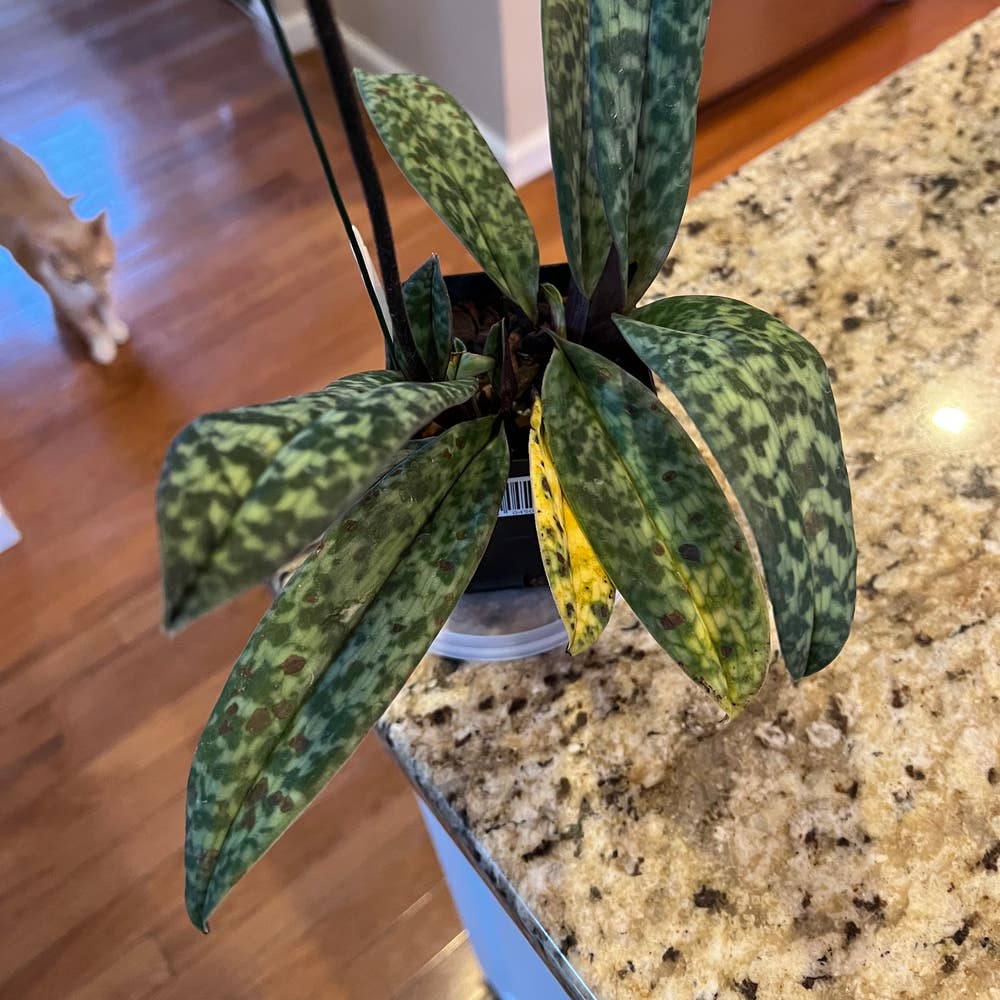
Sukhakul's Paphiopedilum stands out as a non-invasive option for gardeners. Its limited spread potential, characterized by a rosette of leaves and a single flower spike, minimizes competition with other plants.
This orchid thrives in specific conditions, which naturally restricts its growth. Unlike invasive orchids, Sukhakul's Paphiopedilum exhibits distinct growth habits that contribute positively to its environment.
Key Characteristics 🌟
- Limited Spread: The plant's growth structure helps it maintain a manageable footprint.
- Natural Growth Limits: It flourishes in well-defined habitats, reducing the risk of becoming invasive.
- Comparison to Invasive Orchids: While some orchids can dominate, Sukhakul's Paphiopedilum remains a gentle presence in gardens.
Understanding these characteristics helps gardeners appreciate the unique role of Sukhakul's Paphiopedilum in promoting biodiversity without overwhelming local ecosystems.
Next, we will explore its growth habits, focusing on how this orchid thrives in garden settings.
Growth Habits
Typical Growth Patterns in Gardens 🌱
Sukhakul's Paphiopedilum exhibits a unique growth structure characterized by its rosette formation. This compact arrangement allows the plant to thrive without overwhelming its surroundings.
The flowering behavior is equally fascinating, with a single flower spike emerging from the rosette. This not only adds beauty but also minimizes competition with neighboring plants.
Seasonal Growth Cycles 🌦️
Understanding the seasonal growth cycles of Sukhakul's Paphiopedilum is essential for effective garden management. The plant experiences active growth periods, typically in warmer months, followed by dormancy phases during cooler seasons.
This cycle helps gardeners anticipate care needs, ensuring the plant remains healthy and vibrant throughout the year.
Natural Limits to Growth and Spread Potential 🚧
Sukhakul's Paphiopedilum has specific soil and moisture requirements, preferring well-drained, organic-rich soils. This preference limits its spread, making it easier to manage in garden settings.
Environmental factors also play a crucial role in its growth. The plant thrives in conditions with adequate light, moderate temperatures, and appropriate humidity levels.
Management of Growth 📏
One of the standout features of Sukhakul's Paphiopedilum is its manageable growth. Due to its limited spread, controlling its size and shape is straightforward.
Regular monitoring ensures that it stays within desired limits, allowing gardeners to enjoy its beauty without the worry of it becoming invasive.
As we explore its ecological role, we’ll see how Sukhakul's Paphiopedilum contributes positively to gardens and local ecosystems.
Ecological Role
🌼 Benefits in Gardens and Ecosystems
Sukhakul's Paphiopedilum plays a vital role in enhancing biodiversity. Its unique beauty adds aesthetic value to gardens without overshadowing other plants.
This orchid also contributes positively to soil health. It improves soil structure and boosts nutrient availability, creating a thriving environment for surrounding flora.
🦋 Positive Interactions with Local Wildlife
One of the standout features of Sukhakul's Paphiopedilum is its symbiotic relationship with pollinators. It attracts beneficial insects, fostering a healthy ecosystem without aggressive competition.
Additionally, this orchid serves as a habitat for local fauna. It provides shelter and food sources, supporting various wildlife and enriching the garden's ecological balance.
Incorporating Sukhakul's Paphiopedilum into your garden not only beautifies the space but also nurtures the environment. This makes it a fantastic choice for eco-conscious gardeners looking to make a positive impact.
Next, we’ll explore how to effectively manage this orchid in your garden design.
Garden Management
Incorporating into Garden Designs 🌼
When planning your garden, consider the placement of Sukhakul's Paphiopedilum. This orchid thrives beautifully in garden beds, borders, or even containers, allowing for versatile design options.
For optimal aesthetics, think about companion planting. Pairing Sukhakul's Paphiopedilum with other non-invasive plants can enhance growth and create a visually appealing landscape.
Growth Control Methods for Aesthetic Purposes ✂️
Maintaining the size and shape of Sukhakul's Paphiopedilum is essential for visual appeal. Regular pruning can help keep this orchid looking its best, ensuring it fits seamlessly into your garden design.
Monitoring growth is equally important. Regular checks will help you ensure that the plant remains within desired limits, allowing you to enjoy its beauty without worry.
Transitioning to the next section, let’s explore how Sukhakul's Paphiopedilum compares to other non-invasive plants, highlighting its unique qualities and advantages in garden settings.
Comparison to Other Plants
🌱 Comparison with Similar Non-Invasive Plants
When exploring non-invasive orchids, several varieties stand out for their unique characteristics and care requirements. For instance, the Cattleya orchid is known for its vibrant blooms and adaptability, while the Dendrobium offers a range of colors and sizes, making them popular choices among gardeners.
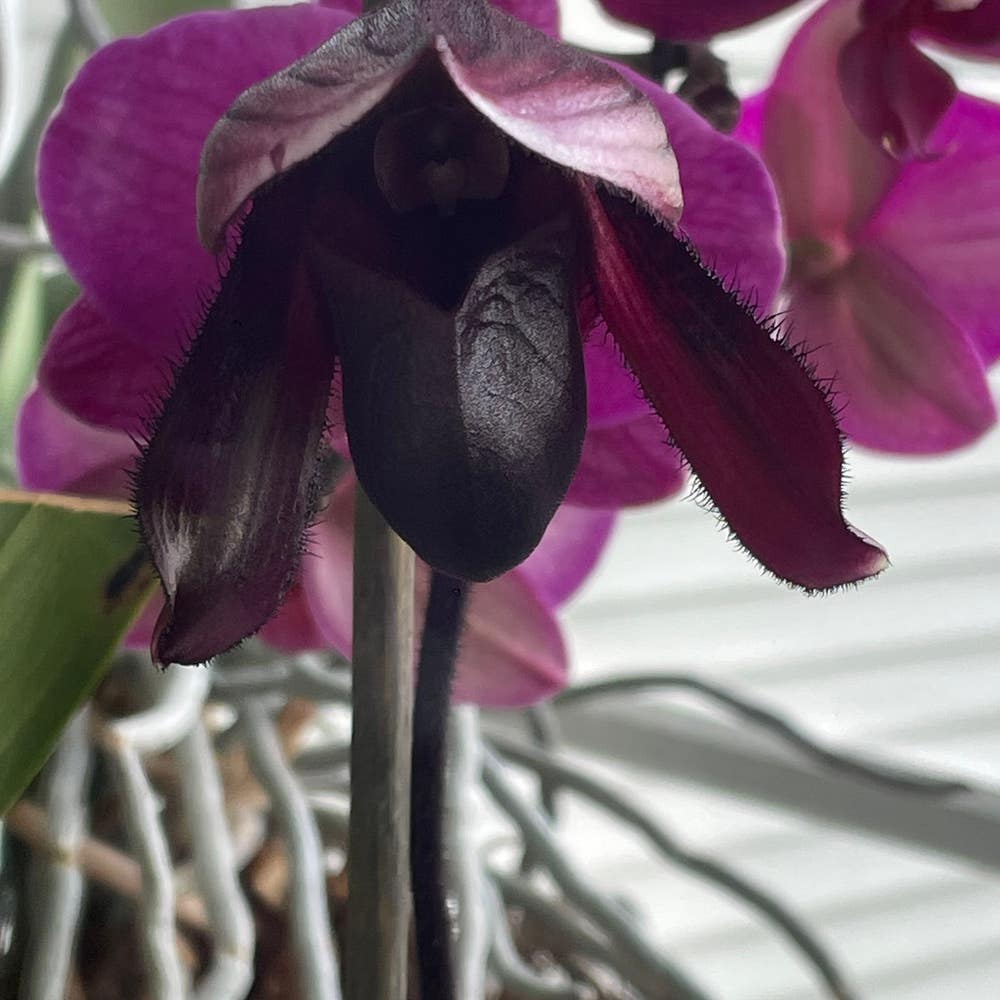
Sukhakul's Paphiopedilum, however, brings its own charm to the table. Its distinctive flower shape, often resembling a lady's slipper, captivates with a blend of colors that can brighten any garden.
🌸 Unique Qualities of Sukhakul's Paphiopedilum
One of the standout features of Sukhakul's Paphiopedilum is its delightful fragrance, which can fill the air with a sweet aroma, attracting both gardeners and pollinators alike. This orchid thrives with minimal care, making it a low-maintenance option for busy plant lovers.
In garden settings, its compact growth habit allows it to fit seamlessly into various designs. Plus, its ecological benefits—like enhancing biodiversity—make it a responsible choice for environmentally conscious gardeners.
As we delve deeper into the legal and environmental considerations surrounding Sukhakul's Paphiopedilum, we’ll uncover how it aligns with sustainable gardening practices.
Legal and Environmental Considerations
🌍 Relevant Classifications and Guidelines
When considering Sukhakul's Paphiopedilum for your garden, it's essential to be aware of local regulations. Many regions have specific guidelines regarding the planting of non-invasive species to promote biodiversity and protect native ecosystems.
Check with local gardening authorities or environmental organizations for any restrictions or recommendations. This ensures that your gardening efforts align with community standards and contribute positively to the environment.
♻️ Fit within Sustainable Gardening Practices
Sukhakul's Paphiopedilum plays a vital role in sustainable gardening. By enhancing biodiversity, it supports local ecosystems and creates a balanced environment.
To integrate this orchid effectively into eco-friendly garden designs, consider these best practices:
- Choose the Right Location: Position your Paphiopedilum where it can thrive without overshadowing other plants.
- Companion Planting: Pair it with other non-invasive species to create a harmonious garden space.
- Soil Health: Use organic materials to enrich the soil, promoting a healthy growth environment.
By following these guidelines, you can enjoy the beauty of Sukhakul's Paphiopedilum while contributing to a sustainable gardening practice. This not only enhances your garden's aesthetics but also fosters a thriving ecosystem.
As we explore the next section, we'll delve into how to incorporate Sukhakul's Paphiopedilum into your garden designs effectively.
⚠️ Safety First
This content is for general information and may contain errors, omissions, or outdated details. It is not medical, veterinary advice, or an endorsement of therapeutic claims.
Always consult a qualified healthcare professional before using any plant as food, medicine, or supplement.
Never eat any plant (or feed one to pets) without confirming its identity with at least two trusted sources.
If you suspect poisoning, call Poison Control (800) 222-1222, the Pet Poison Helpline (800) 213-6680, or your local emergency service immediately.
Spotted an error? Please report it here.
Elevate your garden's biodiversity 🌼 with Sukhakul's Paphiopedilum, and let Greg provide tailored care reminders to keep your orchid thriving and your garden eco-friendly!