Ultimate Guide to Paphiopedilum Size 🌸
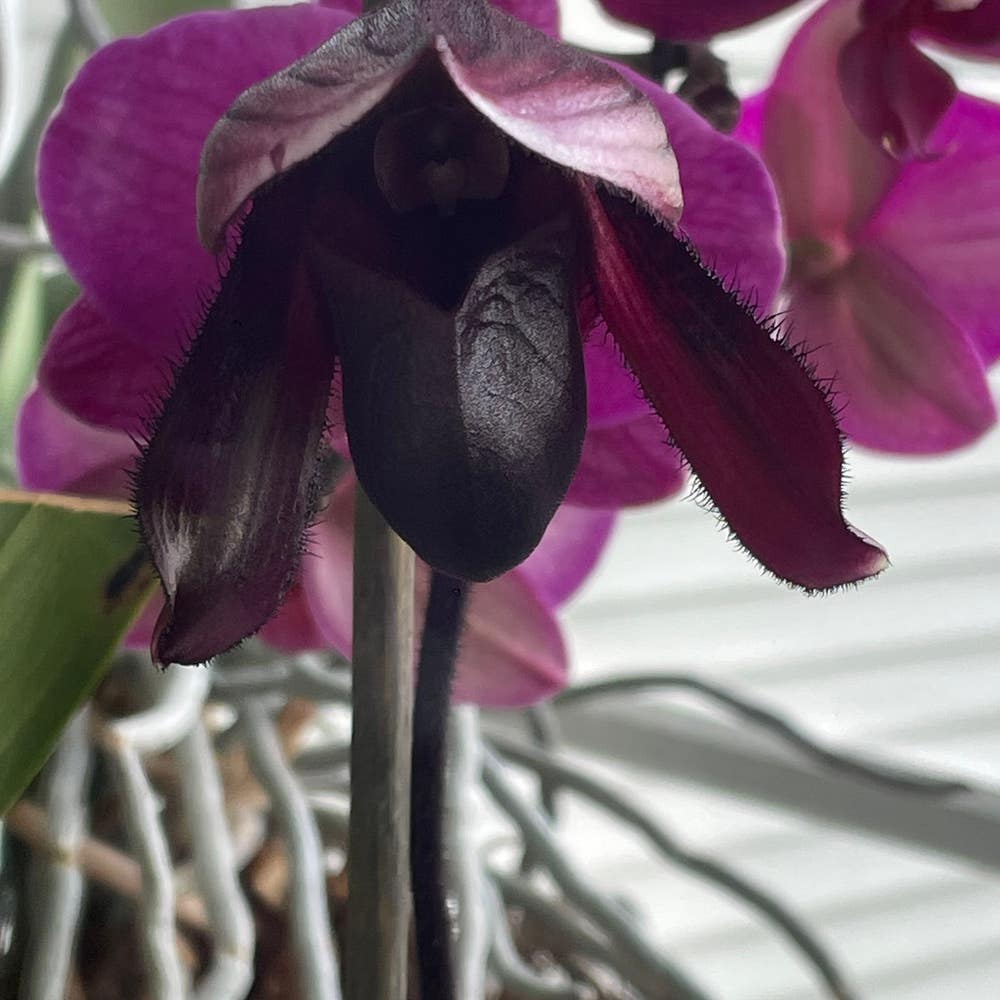
Paphiopedilum sukhakulii
By the Greg Editorial Team
Oct 02, 2024•5 min read
This article was created with the help of AI so we can cover more plants for you. May contain errors. See one? Report it here.
Unlock stunning blooms 🌸 by mastering the size and care needs of your Paphiopedilum orchids!
- 🌱 Paphiopedilum orchids grow 12-18 inches tall, influenced by genetics and environment.
- 🌿 Proper pot size and spacing are crucial for healthy growth and blooms.
- 🌞 Optimal light, temperature, and humidity ensure robust growth in these orchids.
Mature Height and Spread
Mature Height 🌱
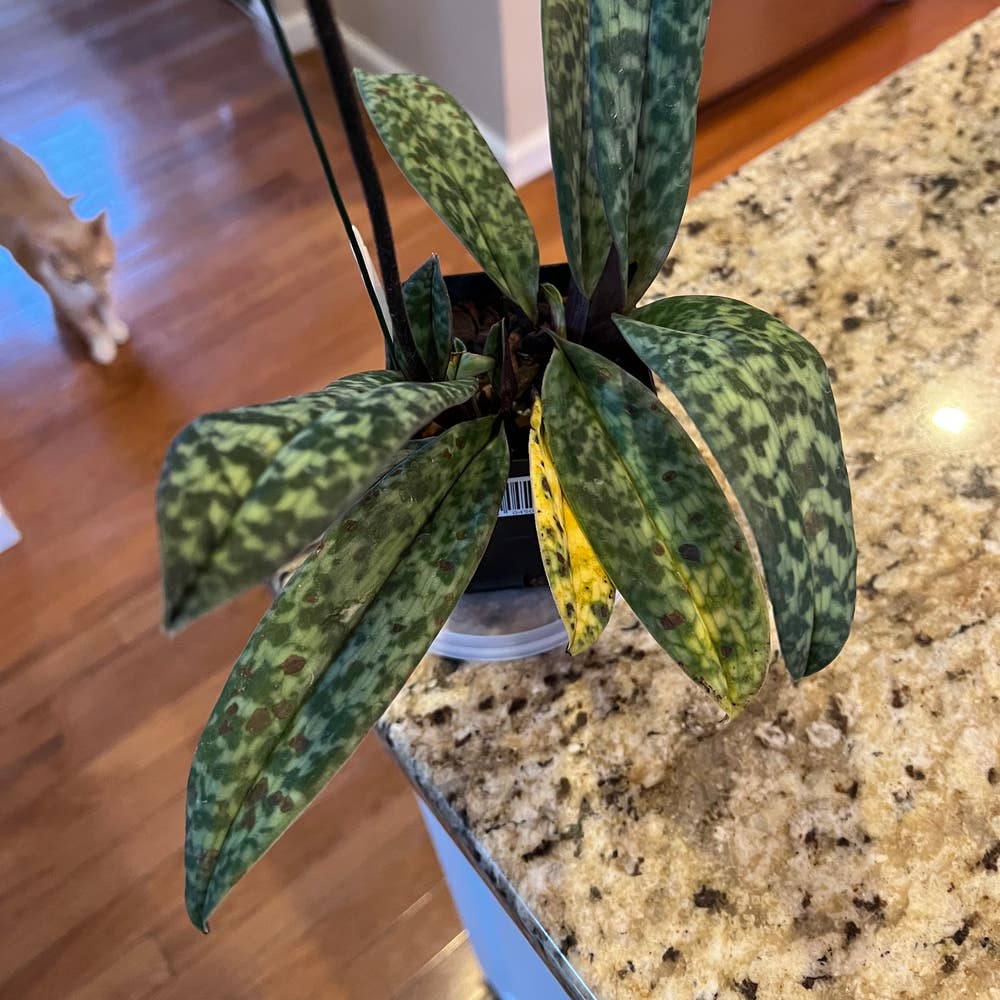
Paphiopedilum orchids typically reach a height of 12 to 18 inches (30 to 45 cm). This range can vary based on genetic predisposition, environmental conditions, and care practices.
Factors Influencing Height 📏
Genetics play a crucial role in determining how tall your orchid will grow. Additionally, factors like light exposure, temperature, and humidity can significantly impact its overall height.
Mature Spread 🌼
The average spread of these orchids is between 8 to 12 inches (20 to 30 cm). Understanding this spread is essential for selecting the right pot size and ensuring adequate growing space.
Importance of Spread 🌬️
A proper spread allows for healthy air circulation and prevents overcrowding. This is vital for maintaining the plant's health and promoting vibrant blooms.
Growth Rate and Time to Maturity ⏳
Paphiopedilum orchids have a moderate growth rate, with optimal conditions leading to faster development. Under ideal circumstances, they can reach full size in approximately 2 to 3 years.
Factors Affecting Growth Rate ⚖️
Several elements influence growth rate, including light, temperature, humidity, and care practices. Ensuring these factors are in balance can lead to a thriving plant.
Understanding the mature height and spread of your Paphiopedilum is crucial for successful cultivation. With the right care, these beautiful orchids can flourish, setting the stage for the next section on size variability among varieties.
Size Variability Among Varieties
🌱 Dwarf Varieties
Dwarf Paphiopedilum varieties typically reach a height of 6 to 10 inches (15 to 25 cm). These compact plants are perfect for small spaces or container gardening, making them a favorite for urban gardeners.
🏔️ Giant Varieties
On the other hand, giant varieties can exceed 24 inches (60 cm) in height. Growers should consider their space requirements and care differences, as these larger plants need more room to thrive.
📏 Comparison of Growth Habits
Dwarf and giant varieties exhibit distinct growth habits. Dwarfs tend to be more compact and bushy, while giants often grow taller and more upright.
The size of the plant can significantly impact flowering and overall health. Larger plants may produce more blooms, but they also require more attention to maintain their vigor. Understanding these differences can help you choose the right variety for your gardening goals.
As you explore the fascinating world of Paphiopedilum, keep in mind how size influences care and cultivation. This knowledge will set the stage for the next section, where we delve into the factors affecting size.
Factors Affecting Size
🌤️ Environmental Conditions
Light
For optimal growth, Paphiopedilum thrives in bright, indirect light. Insufficient light can lead to stunted growth and smaller dimensions, making it crucial to find that sweet spot.
Temperature
The ideal temperature range for these orchids is between 65°F to 80°F (18°C to 27°C). Fluctuations outside this range can negatively impact growth rate and overall size.
Humidity
Maintaining humidity levels between 50% to 70% is essential for healthy growth. Low humidity can result in reduced growth and smaller plant size, so consider using a humidifier if needed.
🪴 Potting and Soil Considerations
Choosing the right pot size is vital; larger pots can encourage larger growth. Additionally, a well-draining orchid mix promotes healthy root development, which is key to achieving your plant's full potential.
🌱 Fertilization Impact on Growth
Fertilization should occur monthly during the growing season to support robust growth. Balanced NPK fertilizers are recommended, but be cautious—over-fertilization can lead to stunted growth and size issues.
Understanding these factors can significantly influence the size and health of your Paphiopedilum. With the right conditions and care, you can cultivate a thriving orchid that meets your expectations.
Next, let’s explore how to control the size of your Paphiopedilum through effective pruning and repotting strategies.
Controlling Size
🌿 Pruning Techniques for Size Management
Pruning is essential for maintaining the health and size of your Paphiopedilum. By regularly removing dead or damaged leaves and spent flowers, you encourage new growth and keep the plant looking its best.
🪴 Repotting Strategies for Size Control
Repotting is crucial for managing size effectively. Aim to repot every 1-2 years or whenever the plant becomes root-bound, ensuring it has enough space to thrive.
🏺 Pot Size Considerations
Choosing the right pot size is vital for controlling growth. A larger pot can promote bigger plants, while a smaller one can help keep them compact.
⚗️ Use of Growth Regulators
Growth regulators are chemicals that can help influence plant size. However, they should be used with caution and ideally under expert guidance to avoid unintended consequences.
Understanding these techniques can significantly impact your plant's health and size. With the right care, your Paphiopedilum can flourish beautifully.
Common Misconceptions
📏 Myths about Size
Many growers harbor misconceptions about the size of Sukhakul's Paphiopedilum. One common myth is that all varieties will reach their maximum height, regardless of care practices.
In reality, factors like light, humidity, and temperature play crucial roles in determining plant size. Neglecting these elements can lead to stunted growth and smaller plants than expected.
📊 Clarifying Size Expectations for Growers
Setting realistic size expectations is essential for successful cultivation. Different varieties have unique growth habits, and understanding these can help you avoid disappointment.
For instance, dwarf varieties will naturally be smaller, while giant varieties can exceed 24 inches. Recognizing these differences allows you to tailor your care practices to meet individual plant needs, ensuring optimal growth and health.
By grasping these concepts, you can cultivate a thriving Paphiopedilum that meets your space and aesthetic requirements. Now, let’s explore the factors affecting size in more detail.
⚠️ Safety First
This content is for general information and may contain errors, omissions, or outdated details. It is not medical, veterinary advice, or an endorsement of therapeutic claims.
Always consult a qualified healthcare professional before using any plant as food, medicine, or supplement.
Never eat any plant (or feed one to pets) without confirming its identity with at least two trusted sources.
If you suspect poisoning, call Poison Control (800) 222-1222, the Pet Poison Helpline (800) 213-6680, or your local emergency service immediately.
Spotted an error? Please report it here.
Unlock the full potential of your Paphiopedilum orchids 🌺 with Greg's tailored care reminders and expert tips, ensuring they thrive beautifully in your home!