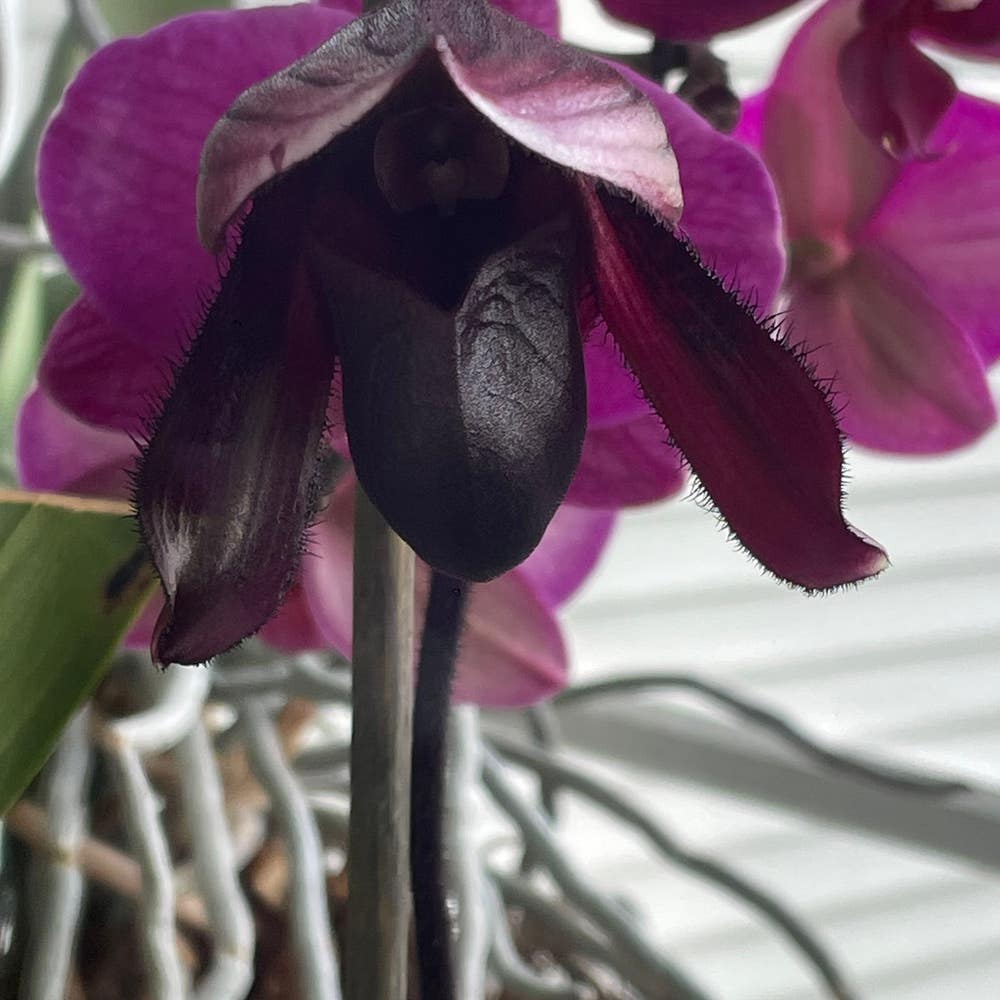
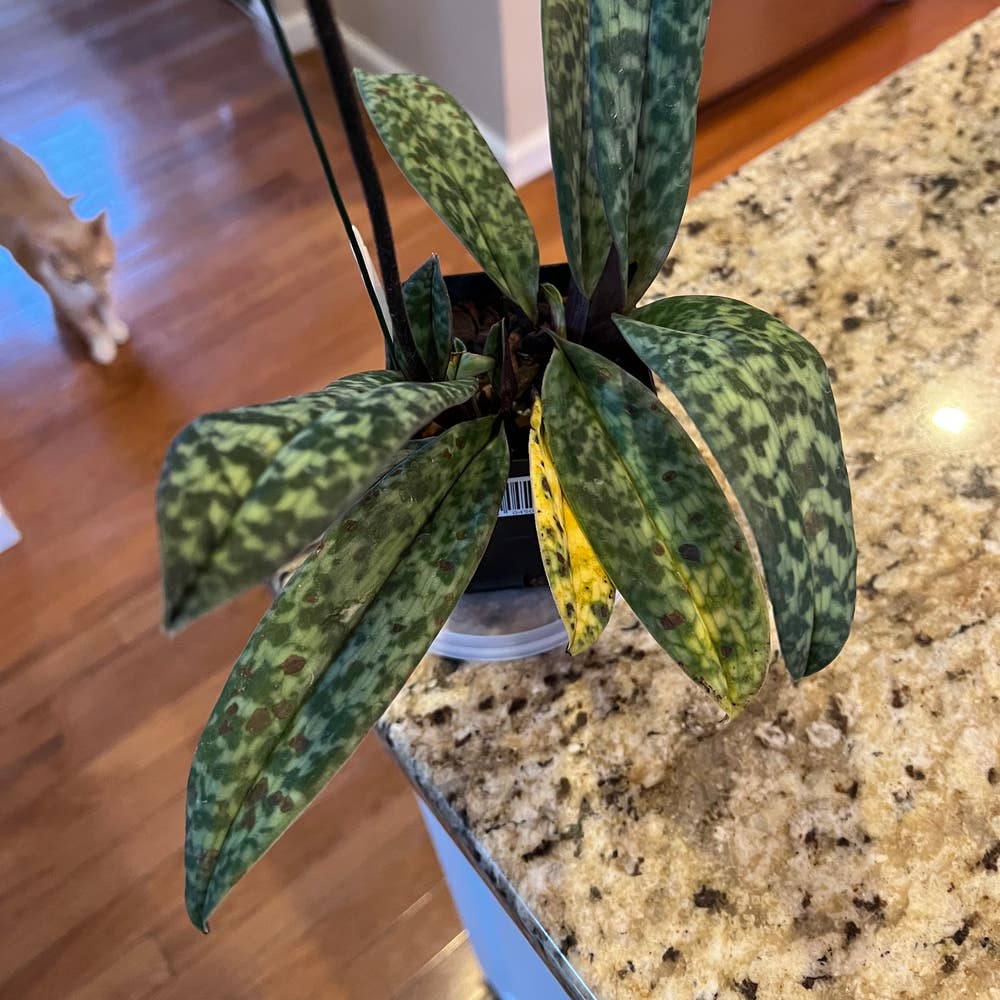
Does My Paphiopedilum sukhakulii Need Direct Sunlight?
Paphiopedilum sukhakulii
By the Greg Editorial Team
Apr 16, 2024•4 min read
This article was created with the help of AI so we can cover more plants for you. May contain errors. See one? Report it here.
Nurture your Paphiopedilum sukhakulii 🌿 to perfection by mastering its sunlight needs ☀️!
- Moderate light, 10,000-12,000 lux, is ideal for Paphiopedilum sukhakulii.
- 🌞 Direct sunlight can cause leaf sunburn; use sheer curtains for protection.
- East-facing windows best; rotate plant for even growth and flowering.
Sunlight Simplified: Direct vs. Indirect
🌞 What is Direct Sunlight?
Direct sunlight is the unfiltered solar energy that hits your plants like a high-five from the sun itself. It's the kind of light that casts sharp, defined shadows, making everything look like it's under a spotlight.
🌞 Direct vs. Indirect Sunlight
Direct sunlight is the main event, while indirect sunlight is the supporting act. Think of direct light as the sun's rays beaming down on a plant without any barriers, and indirect light as the sun's rays after they've played pinball with your room's walls and furniture. Direct light packs more heat and intensity, while indirect light is cooler and gentler, like the difference between standing in an open field at noon versus lounging in the dappled shade of a tree.
Paphiopedilum sukhakulii and the Sunlight Tango
🌤️ Does It Need the Spotlight?
Paphiopedilum sukhakulii, a native to the understories of Northeast Thailand, thrives in moderate light. It's a no-go for direct sunlight. 10,000 to 12,000 lux of brightness hits the sweet spot, with a photoperiod of about 10-11 hours. Think of it as the plant's daily dose of a caffeine-free energy boost.
🕶️ The Sunburn Alert
Too much of a good thing can be bad, especially when it comes to this orchid and direct sunlight. Sunburn is a real risk, and it's not just a cosmetic issue. Leaves can get scorched, leading to a sad, crispy plant. If your windows face south or west, you'll want to play it cool with some shade during peak sunny hours. It's like putting on sunglasses, but for your plant.
The Best Sunlight Dance Floor: Placement Tips
🌞 Window Direction Decoded
Finding the optimal window for your Paphiopedilum sukhakulii isn't about playing eeny, meeny, miny, moe. East-facing windows are your best bet, offering a soft morning light that won't bully your orchid with intensity. South or southwest windows? They're the sun's favorite hangout, and without a sheer curtain as a bouncer, your plant might get a sunburn. West-facing windows can work, but it's like walking on a tightrope—too much afternoon sun and you're in trouble.
🌍 Hemisphere Highlights
Your spot on the globe isn't just good for bragging about your local cuisine—it also dictates your plant's sunbathing habits. In the Northern Hemisphere, south-facing windows are the main stage for sunlight, but they can be too much of a good thing. Flip it if you're chilling in the Southern Hemisphere—north-facing is where the sun's at. Remember, as the seasons change, the sun's angle does too, so don't get too comfy. Keep an eye on your Paphiopedilum sukhakulii and be ready to shuffle it around like a game of musical chairs to maintain that sweet spot of sunshine.
Keeping Your Paphiopedilum sukhakulii Happy in the Sun
🌞 The Balancing Act
To avoid sunburn yet encourage growth, your Paphiopedilum sukhakulii needs a Goldilocks amount of light. Too much sun and you'll have a crispy orchid on your hands; too little and it's goodbye blooms.
Rotate your plant regularly for even light exposure. This prevents lopsided growth and ensures all leaves get their time in the limelight.
Consider sheer curtains if your windows are too sunny. They diffuse harsh rays, bathing your orchid in soft, filtered light.
If your space is more dungeon than sunroom, LED grow lights can be a game-changer. Just remember to keep them dimmed—orchids can't handle the spotlight like rock stars.
🌱 When to Shuffle the Pot
Leaves turning a lighter green or yellow? It might be time to move your orchid away from the light.
Conversely, dark green leaves and a lack of flowers signal it's time to inch closer to the sun.
Seasons change, and so should your plant's position. Keep an eye on light shifts and shuffle your pot accordingly.
When moving your orchid, do it gradually. Sudden changes can be as shocking to plants as a cold shower first thing in the morning.
If your Paphiopedilum sukhakulii starts leaning like it's trying to escape, it's definitely time for a new spot. Rotate the pot a bit every week to keep things on the level.
Remember, keeping your orchid happy is a bit like dating—pay attention to its needs, and don't be afraid to change things up when the vibe's off.
⚠️ Safety First
This content is for general information and may contain errors, omissions, or outdated details. It is not medical, veterinary advice, or an endorsement of therapeutic claims.
Always consult a qualified healthcare professional before using any plant as food, medicine, or supplement.
Never eat any plant (or feed one to pets) without confirming its identity with at least two trusted sources.
If you suspect poisoning, call Poison Control (800) 222-1222, the Pet Poison Helpline (800) 213-6680, or your local emergency service immediately.
Spotted an error? Please report it here.
Ensure your Paphiopedilum sukhakulii enjoys just the right glow without the sunburn 🌤 by leaning on Greg for spot-on light monitoring and timely rotation reminders.