Sukhakul's Paphiopedilum: Not an Annual 🌸
Paphiopedilum sukhakulii
By the Greg Editorial Team
Oct 02, 2024•2 min read
This article was created with the help of AI so we can cover more plants for you. May contain errors. See one? Report it here.
Cultivate Sukhakul's Paphiopedilum for stunning blooms year after year! 🌼 Unlock the secrets to perennial beauty! 🌱
- 🌸 Sukhakul's Paphiopedilum is a perennial orchid, blooming multiple times over its lifespan.
- 🌱 Unique genetic traits and tuberous roots help it thrive in various conditions.
- 🌿 Low-maintenance growth and seasonal cycles enhance garden aesthetics and planning.
Sukhakul's Paphiopedilum as a Perennial
🌱 Genetic Characteristics
Sukhakul's Paphiopedilum is classified within the Paphiopedilum genus, known for its stunning slipper orchids. This classification highlights its unique genetic traits, which are specifically adapted for long-term survival and reproduction.
🌿 Physiological Traits Supporting Perennial Growth
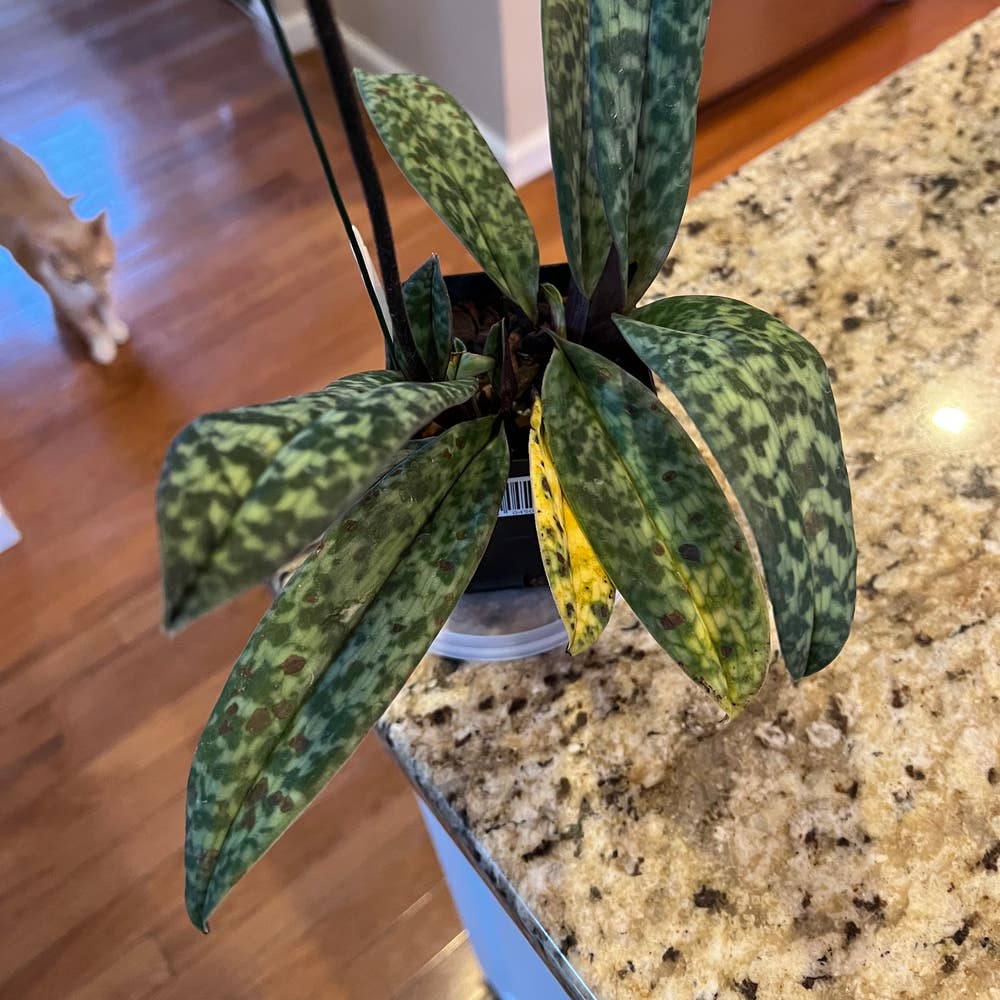
One of the most notable physiological traits is its rosette formation, which contributes to its slow growth rate. Additionally, this orchid can store energy in its tuberous roots, allowing it to thrive even in less-than-ideal conditions.
🌼 Lifecycle and Growth Patterns
Sukhakul's Paphiopedilum boasts a remarkable lifespan, capable of blooming multiple times over several years. Its growth cycles are influenced by seasonal changes, adapting to environmental conditions for optimal development.
🌸 Differences from Annuals
Unlike annuals, which typically bloom once and die, Sukhakul's Paphiopedilum can produce multiple blooms over the years. Its growth rate is slow and steady, contrasting sharply with the rapid growth seen in annual plants.
- Flowering Frequency: Multiple blooms vs. single bloom cycle in annuals.
- Growth Rate: Steady growth compared to the quick life cycle of annuals.
- Reproductive Strategies: Produces viable seeds that can remain dormant for extended periods.
🌻 Gardening Implications
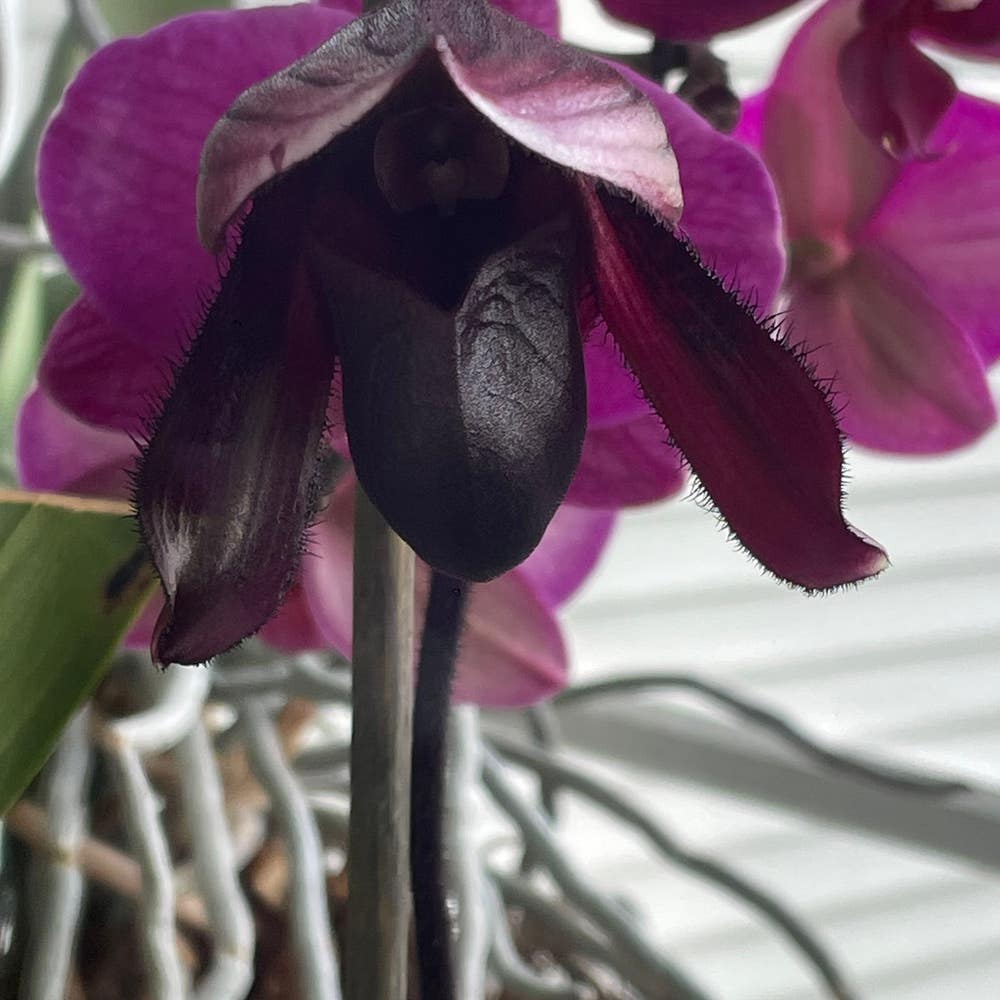
The unique flower structure of Sukhakul's Paphiopedilum not only enhances garden aesthetics but also contributes to its longevity. Understanding its blooming cycles and companion planting can significantly improve garden planning and overall visual appeal.
🪴 Management Tips
To successfully cultivate Sukhakul's Paphiopedilum, consider the following best practices:
- Soil Requirements: Use well-draining soil to prevent root rot.
- Watering Techniques: Water thoroughly but allow the soil to dry out between sessions.
Seasonal considerations are crucial for maintaining health:
- Fertilization Schedule: Apply a balanced fertilizer during the growing season.
- Pruning Methods: Remove dead leaves to promote new growth.
Be aware of common challenges, such as pest management and environmental stressors, to ensure your orchid thrives.
Transitioning from understanding its perennial nature to practical management tips will empower you to cultivate this beautiful orchid successfully.
⚠️ Safety First
This content is for general information and may contain errors, omissions, or outdated details. It is not medical, veterinary advice, or an endorsement of therapeutic claims.
Always consult a qualified healthcare professional before using any plant as food, medicine, or supplement.
Never eat any plant (or feed one to pets) without confirming its identity with at least two trusted sources.
If you suspect poisoning, call Poison Control (800) 222-1222, the Pet Poison Helpline (800) 213-6680, or your local emergency service immediately.
Spotted an error? Please report it here.
Sukhakul's Paphiopedilum is a blooming beauty 🌺 that thrives for years, and with Greg's tailored care tips and watering reminders, you'll cultivate a stunning orchid garden effortlessly!