🌸 5 Perfect Plant Partners for Paphiopedilum
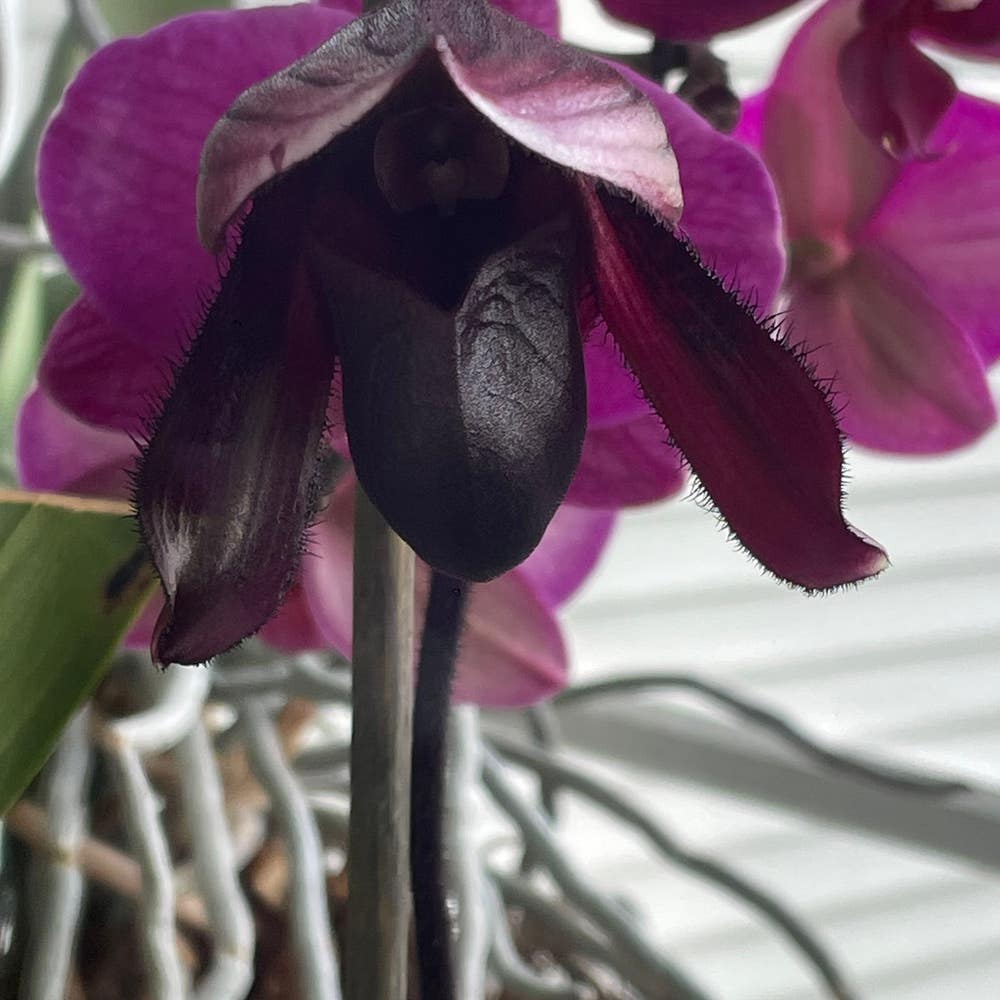
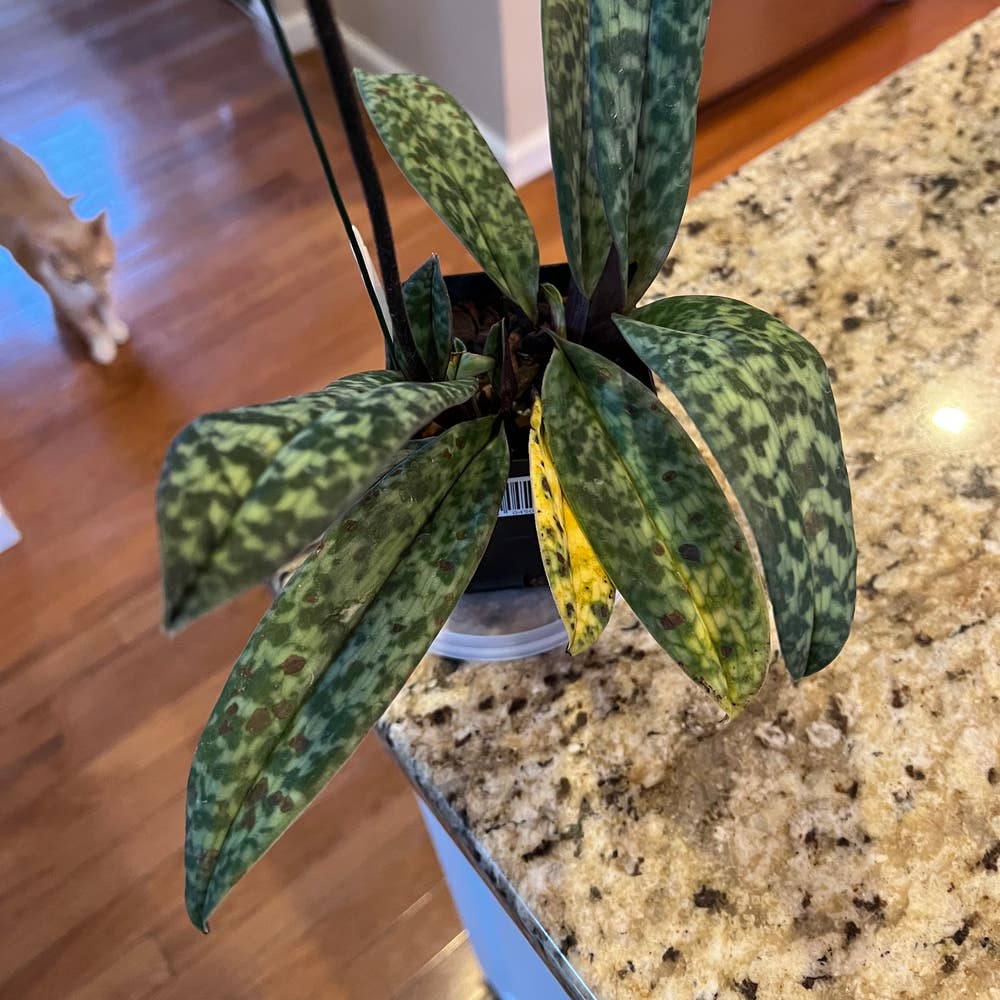
Paphiopedilum sukhakulii
By the Greg Editorial Team
Oct 02, 2024•5 min read
This article was created with the help of AI so we can cover more plants for you. May contain errors. See one? Report it here.
Elevate your garden's beauty 🌿 by pairing Sukhakul's Paphiopedilum with perfect companion plants for health and harmony!
- 🌿 Ferns thrive in humidity, making them perfect companions for Sukhakul's Paphiopedilum.
- 🌸 Peace Lilies purify air and deter pests, enhancing your orchid's health.
- 🎨 Calathea and Bromeliads add vibrant colors, creating a stunning garden atmosphere.
Ideal Companion Plants for Sukhakul's Paphiopedilum
🌿 Plant 1: Ferns
Ferns are a fantastic choice for companion plants, featuring delicate fronds that thrive in high humidity. They prefer indirect light and consistently moist soil, making them ideal partners for Sukhakul's Paphiopedilum.
Ferns enhance humidity levels around the orchid, creating a lush, tropical atmosphere. Their soft foliage beautifully complements the orchid's smooth petals.
🌼 Plant 2: Peace Lily
The Peace Lily is a low-light tolerant plant known for its stunning white blooms. It thrives in high humidity and requires moderate watering, making it a perfect fit for your orchid's environment.
Beyond aesthetics, the Peace Lily acts as a natural air purifier. Its elegant flowers add visual appeal, harmonizing beautifully with Sukhakul's Paphiopedilum.
🍃 Plant 3: Pothos
Pothos is a trailing vine celebrated for its heart-shaped leaves. This adaptable plant thrives in low light and can handle variable humidity levels, making it a versatile companion.
Its cascading effect not only looks great but also helps maintain humidity. Plus, Pothos can deter pests like spider mites, adding an extra layer of protection for your orchid.
🌈 Plant 4: Calathea
Calathea is renowned for its striking leaf patterns and vibrant colors. It prefers high humidity and indirect light, thriving in conditions similar to those of Sukhakul's Paphiopedilum.
This plant adds visual interest to your setup, enhancing the overall aesthetic. Its ability to support humidity levels makes it a beneficial companion.
🌺 Plant 5: Bromeliads
Bromeliads are tropical plants characterized by their rosette-shaped leaves and vibrant flowers. They enjoy high humidity and indirect light, aligning perfectly with tSukhakul's Paphiopedilum
These plants attract pollinators and provide a colorful contrast to Sukhakul's Paphiopedilum. Their bold colors can elevate the tropical vibe of your garden.
Incorporating these companion plants not only supports the health of Sukhakul's Paphiopedilum but also enhances the beauty of your space. Next, we'll explore how companion planting can help manage pests effectively.
Pest Management through Companion Planting
🌱 How Companion Plants Can Deter Pests
Companion planting isn't just about aesthetics; it plays a crucial role in pest management. Certain plants possess natural pest-repellent properties that can help protect Sukhakul's Paphiopedilum from unwanted invaders.
These companion plants can disrupt pest life cycles, making it harder for pests to thrive. By strategically placing them near your orchids, you create a more resilient ecosystem that naturally wards off threats.
🦟 Specific Pest-Repellent Properties of Chosen Companions
Ferns
Ferns are more than just pretty foliage; they attract beneficial insects that prey on common pests. By inviting these helpful critters into your garden, you can reduce the likelihood of pest infestations.
Peace Lily
The Peace Lily is a powerhouse when it comes to pest deterrence. It contains compounds that repel certain insects, making it an excellent companion for your orchids.
Pothos
Pothos is not just a beautiful trailing vine; it also emits substances that deter pests like spider mites. This makes it a valuable ally in maintaining a healthy environment for your Paphiopedilum.
By incorporating these companion plants, you not only enhance the beauty of your garden but also create a natural defense systeSukhakul's Paphiopedilumlistic approach to overwateringn lead to healthier plants and a more vibrant ecosystem.
Next, let’s explore how these companion plants can elevate the visual appeal of Sukhakul's Paphiopestsum.
Visual Appeal and Aesthetic Benefits
🌼 How Companion Plants Enhance the Visual Appeal of Sukhakul's Paphiopedilum
Companion plants play a crucial role in elevating the visual charm of Sukhakul's Paphiopedilum. harmoniouslay of colors and textures creates a beautyt, inviting atmosphere in your garden.
A cohesive look is essential for a well-designed space. By selecting plants that complement each other, you can create a harmonious environment that showcases the beauty of your orchid.
🎨 Color and Texture Combinations
Ferns bring a soft, feathery texture that beautifully contrasts with the smooth petals of the orchid. Their delicate fronds create a lush backdrop, enhancing the overall aesthetic.
The Peace Lily introduces a striking contrast with its white blooms against the vibrant colors of the orchid. This combination not only pleases the eye but also adds depth to your plant arrangement.
Bromeliads contribute bright, bold colors that enhance the tropical vibe of your garden. Their rosette-shaped leaves and vivid flowers create a stunning focal point, making your space feel more dynamic and lively.
Incorporating these companion plants not only beautifies your garden but also supports the health and well-being of Sukhakul's Paphiopedilum. As you explore the next section, consider how these plants can also help manage pests effectively.
Plants to Avoid Near Sukhakul's Paphiopedilum
Unsuitable Companions 🌵
When it comes to companion planting, not all plants are created equal. Cacti and succulents are prime examples; they thrive in low humidity and can easily compete for moisture, which is detrimental to Sukhakul's Paphiopedilum.
Fast-growing plants also pose a risk. They may outcompete your orchid for essential nutrients, leaving it stressed and undernourished.
Reasons for Incompatibility 🚫
The care needs of these plants differ significantly. Orchids, including Sukhakul's Paphiopedilum, are sensitive to overwatering, while succulents prefer a drier environment. This fundamental difference can lead to disaster if planted together.
Additionally, some plants can attract pests that may harm your orchid. Keeping these incompatible companions at bay will help ensure your Paphiopedilum thrives in its ideal environment.
By choosing the right companions and avoiding the wrong ones, you can create a harmonious garden that supports the health and beauty of your orchids.
⚠️ Safety First
This content is for general information and may contain errors, omissions, or outdated details. It is not medical, veterinary advice, or an endorsement of therapeutic claims.
Always consult a qualified healthcare professional before using any plant as food, medicine, or supplement.
Never eat any plant (or feed one to pets) without confirming its identity with at least two trusted sources.
If you suspect poisoning, call Poison Control (800) 222-1222, the Pet Poison Helpline (800) 213-6680, or your local emergency service immediately.
Spotted an error? Please report it here.
Create a thriving ecosystem 🌱 for your Sukhakul's Paphiopedilum with perfect companions like ferns and peace lilies, and let Greg guide you with tailored care tips for harmonious growth!