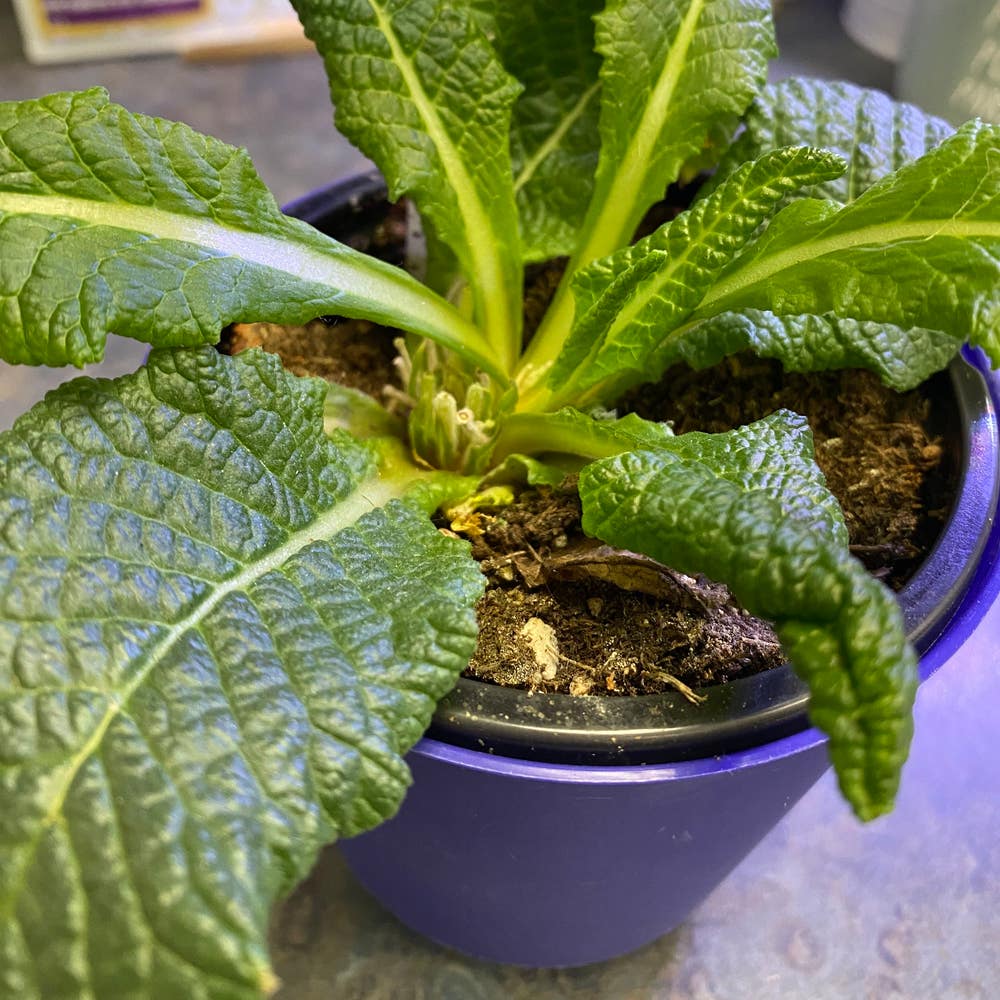
9 Ideal Locations to Plant Your Primula 🌸
Primula chionantha subsp. sinopurpurea
By the Greg Editorial Team
Nov 22, 2024•5 min read
This article was created with the help of AI so we can cover more plants for you. May contain errors. See one? Report it here.
Master the sunlight and soil secrets for thriving Primula plants in your garden! 🌞🌱
- 🌞🌿 Primula needs vary: some thrive in full sun, others in partial shade.
- 🌱 Well-drained, loamy soil is essential for healthy Primula growth and moisture retention.
- 🌬️ Wind protection and proper spacing prevent overcrowding, ensuring thriving Primula plants.
Sunlight Exposure for Primula
Full Sun vs. Partial Shade 🌞
Primula plants have specific sunlight needs that vary by variety. Some thrive in full sun, requiring 6-8 hours of direct sunlight daily, while others prefer the cooler embrace of partial shade, particularly in warmer climates.
When selecting varieties, consider Primula vulgaris and Primula elatior, which flourish in full sun. In contrast, Primula japonica and Primula sieboldii are better suited for shaded areas, making them ideal for gardens with less direct sunlight.
Assessing Sunlight Patterns in Your Garden 🌻
To ensure your Primula plants thrive, take the time to observe how sunlight moves across your garden. Spend a day tracking sunlight patterns, noting which areas bask in morning light and which are shaded in the afternoon.
Don't forget to consider seasonal changes. As the sun's angle shifts throughout the year, areas that are sunny in summer may become shaded in winter, impacting your Primula's growth. Understanding these dynamics will help you choose the best planting spots for your flowers.
With a clear grasp of sunlight exposure, you're now ready to explore soil types and conditions that will further enhance your Primula's growth.
Soil Type and Conditions for Primula
Preferred Soil Types for Primula 🌱
Primula thrives in well-drained soil, making loamy or sandy options ideal. These soil types retain moisture without becoming waterlogged, which is crucial for the health of your plants.
The pH level of the soil also plays a significant role in the growth of Primula. Aim for a pH range of 6.0 to 7.0 to ensure optimal nutrient uptake.
Importance of Soil Drainage 🚰
Good drainage is essential for preventing root rot, a common issue for Primula. Without proper drainage, excess water can suffocate roots and lead to plant decline.
To assess your soil's drainage capabilities, consider conducting a percolation test. This simple method helps you understand how quickly water drains through your soil, guiding you in creating the best environment for your Primula.
Conclusion
By ensuring you have the right soil type and drainage conditions, you set the stage for healthy Primula growth. Next, let’s explore how to position your plants effectively in relation to other garden elements.
Proximity to Other Plants and Structures
🌱 Companion Planting Considerations
Companion planting can significantly enhance the growth of your Primula. Ideal companions include ferns and hostas, which not only thrive in similar conditions but also create a visually appealing garden.
These plants can help deter pests and provide a natural habitat for beneficial insects. By planting them alongside Primula, you create a harmonious ecosystem that promotes healthy growth.
🚫 Avoiding Overcrowding and Competition
To ensure your Primula flourishes, it's essential to follow proper spacing guidelines. Aim for at least 12 to 18 inches between Primula and neighboring plants to minimize competition for nutrients and light.
Consider the mature size of nearby plants when selecting locations. Taller plants can overshadow Primula, so be mindful of their height and spread to maintain a balanced garden environment.
By carefully planning your garden layout, you can create a thriving space for your Primula while avoiding overcrowding. This thoughtful approach will lead to a vibrant and healthy garden.
As you assess your garden's layout, keep in mind the importance of microclimates and wind protection. These factors will further enhance the growing conditions for your Primula.
Assessing the Best Spot for Primula
🌤️ Evaluating Your Garden's Microclimates
Microclimates are small areas within your garden that have distinct climate conditions. These variations can significantly impact plant growth, including your Primula.
To identify warm and cool spots, observe how sunlight and shade interact throughout the day. Areas near walls or fences may retain heat, while shaded spots can provide a cooler environment, ideal for certain Primula varieties.
🌬️ Identifying Wind Protection Areas
Wind can be a formidable foe for Primula, particularly in exposed locations. Strong gusts can damage leaves and hinder growth, making wind protection essential.
Look for natural windbreaks in your garden, such as fences, walls, or larger plants. These features can create a more sheltered environment, allowing your Primula to thrive.
💧 Analyzing Drainage and Water Retention
Proper drainage is crucial for the health of your Primula. Signs of poor drainage include standing water or muddy areas, which can lead to root rot.
Additionally, identify spots that retain moisture longer. These areas can provide the consistent hydration that Primula needs, especially during dry spells.
By carefully assessing microclimates, wind protection, and drainage, you can find the perfect spot for your Primula to flourish. Next, let's explore the differences between indoor and outdoor planting for these vibrant flowers.
Indoor vs. Outdoor Planting for Primula
Best Indoor Locations for Primula 🌱
When planting Primula indoors, light and humidity are key. The best spots are typically near east-facing windows, where they can soak up morning sunlight without the harsh afternoon glare.
Container choice matters too. Use well-draining potting soil and ensure your containers have drainage holes to prevent waterlogging, which can lead to root rot.
Outdoor Site Selection Tips 🌳
Selecting the right outdoor location for your Primula involves a few considerations. Look for spots that offer some shade, especially near trees, to protect them from the intense midday sun.
Seasonal adjustments are also crucial. As the weather changes, be prepared to shift your Primula to areas that provide the right balance of sun and shade throughout the year. This adaptability will help your plants thrive in varying conditions.
⚠️ Safety First
This content is for general information and may contain errors, omissions, or outdated details. It is not medical, veterinary advice, or an endorsement of therapeutic claims.
Always consult a qualified healthcare professional before using any plant as food, medicine, or supplement.
Never eat any plant (or feed one to pets) without confirming its identity with at least two trusted sources.
If you suspect poisoning, call Poison Control (800) 222-1222, the Pet Poison Helpline (800) 213-6680, or your local emergency service immediately.
Spotted an error? Please report it here.
Maximize your Primula's potential by understanding their specific sunlight and soil needs, and let Greg guide you with tailored care tips and reminders for a thriving garden! 🌱