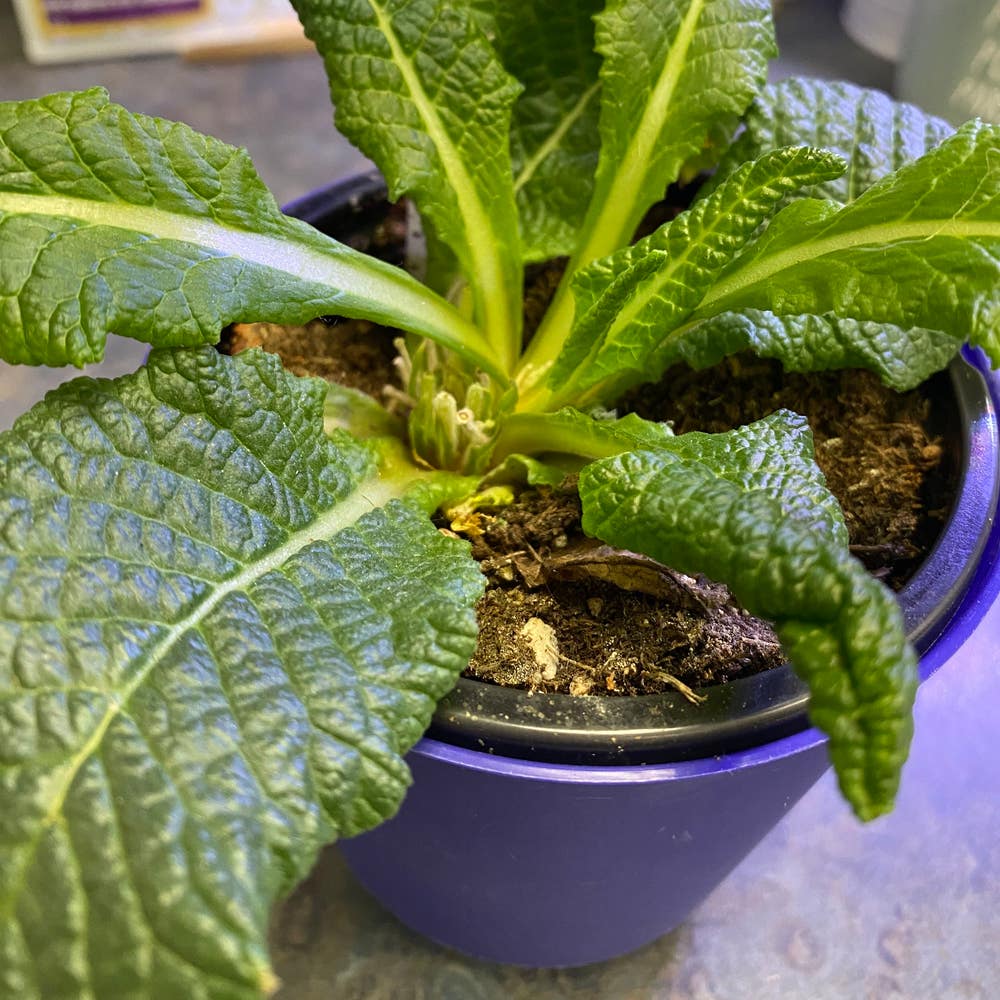
Ultimate Guide to Fertilizing Your Primula 🌸
Primula chionantha subsp. sinopurpurea
By the Greg Editorial Team
Nov 22, 2024•6 min read
This article was created with the help of AI so we can cover more plants for you. May contain errors. See one? Report it here.
Transform your Primula garden 🌸 with expert fertilizer tips and techniques for stunning blooms and healthy growth! 🌱
- 🌱 Choose balanced NPK or organic fertilizers for optimal Primula growth and health.
- 🕒 Fertilize in early spring for vibrant blooms; follow a 4-6 week schedule.
- 🚫 Avoid over-fertilization symptoms like leaf burn by monitoring nutrient levels closely.
Types of Fertilizers Suitable for Primula
🌱 Best Fertilizer for Primula
When it comes to fertilizing Primula, choosing the right type of fertilizer is crucial for healthy growth. Balanced NPK fertilizers, such as a 10-10-10 formulation, provide an equal ratio of nitrogen, phosphorus, and potassium, ensuring your plants receive essential nutrients.
Organic fertilizers are also excellent options for Primula. Compost and fish emulsion enrich the soil naturally, promoting vibrant blooms and robust foliage without the risk of chemical buildup.
🏗️ Soil Amendments
Adding compost or well-rotted manure to your soil can significantly enhance its quality. These amendments improve soil structure, increase moisture retention, and provide a slow release of nutrients, creating a thriving environment for your Primula.
For sustained feeding, consider using slow-release fertilizers. These products gradually release nutrients over time, reducing the need for frequent applications and helping to maintain consistent growth throughout the season.
By selecting the right fertilizers and amendments, you set the stage for a flourishing Primula garden. Next, let’s explore how to effectively apply these fertilizers to maximize their benefits.
How to Apply Fertilizer to Primula
🌱 Application Methods
When it comes to applying fertilizer to your Primula, two primary methods stand out: broadcasting and side-dressing. Broadcasting involves spreading the fertilizer evenly over the soil surface, while side-dressing places it directly alongside the plant, ensuring nutrients are readily available as the plant grows.
Incorporating fertilizer into potting mix is another effective strategy. This method allows for a more uniform distribution of nutrients, which can be especially beneficial for container-grown Primula.
💧 Liquid vs. Granular Fertilizers
Choosing between liquid and granular fertilizers can significantly impact your Primula's health. Liquid fertilizers are fantastic for quick nutrient uptake, making them ideal for plants that need an immediate boost.
On the other hand, granular fertilizers provide long-term feeding. They release nutrients slowly, ensuring your Primula has a steady supply throughout the growing season.
📋 Step-by-Step Application Process
Applying fertilizer to your Primula is straightforward. Follow these easy steps for optimal results:
- Measure the appropriate amount of fertilizer based on package instructions.
- Evenly distribute the fertilizer around the base of the plant.
- Water thoroughly to help dissolve and distribute nutrients.
By following these steps, you’ll ensure your Primula receives the nourishment it needs to thrive.
With the right application techniques in place, you can now focus on the timing and frequency of fertilization to maximize your plant's growth potential.
Timing and Frequency of Fertilization
Best Time to Fertilize Primula 🌸
Timing is crucial when it comes to fertilizing Primula. Fertilizing at the right moment aligns with their growth cycles, ensuring they receive the nutrients they need when they need them most.
The ideal window for fertilization is early spring, just before blooming begins. This timing helps support robust growth and vibrant flowers, setting the stage for a stunning display.
Seasonal Fertilization Schedule 📅
Establishing a seasonal fertilization schedule is key to maintaining healthy Primula. Start with an initial application of fertilizer 4-6 weeks before you expect the blooms to appear.
Follow up with additional applications every 4-6 weeks throughout the growing season. This consistent feeding schedule helps keep your plants thriving and encourages continuous blooming.
For indoor Primula, you may need to adjust the frequency slightly based on light and temperature conditions. Outdoor Primula typically benefit from a more regular feeding schedule due to natural growth factors.
With the right timing and frequency, your Primula will flourish beautifully, ready to brighten up any space. Next, let’s explore how to avoid over-fertilization and its potential pitfalls.
Avoiding Over-Fertilization
Symptoms of Over-Fertilization 🌱
Over-fertilization can be detrimental to your Primula, so it's crucial to recognize the signs early. Common symptoms include leaf burn, where the tips and edges turn brown, indicating nutrient overload.
Additionally, you might notice wilting even when the soil is adequately watered. This paradox can confuse many gardeners. Reduced blooming or flower drop is another red flag, signaling that your Primula is stressed from too much fertilizer.
How to Correct Over-Fertilization Issues ⚠️
If you suspect over-fertilization, immediate action is necessary. Start by flushing the soil with water to dilute the excess fertilizer. This helps to wash away the concentrated nutrients that are harming your plant.
Next, consider removing affected plants from high-fertility environments. This can prevent further stress and allow them to recover in a more balanced setting.
For long-term success, adjust your fertilization practices based on your plant's response. Monitor your Primula closely and tailor your feeding schedule to meet its specific needs.
By staying vigilant and responsive, you can ensure your Primula thrives without the risk of over-fertilization.
As you refine your fertilization techniques, you'll be better equipped to nurture your plants effectively. Let's explore the essential nutrients that Primula requires for healthy growth next.
Nutrient Requirements of Primula
🌱 Essential Nutrients for Healthy Growth
Primula plants thrive on a balanced diet of essential nutrients. The primary nutrients include nitrogen, phosphorus, and potassium.
Nitrogen is crucial for promoting leafy growth and vibrant color. It helps your Primula develop lush foliage, making it look healthy and robust.
Phosphorus plays a vital role in root development and flowering. This nutrient ensures that your plants establish strong roots, leading to beautiful blooms.
Potassium enhances overall plant health and disease resistance. It helps Primula withstand environmental stresses, keeping them thriving throughout the growing season.
🧪 Micronutrients Important for Primula
While primary nutrients are essential, micronutrients also play a significant role in the health of your Primula. These trace elements support various physiological functions.
Iron is necessary to prevent chlorosis in leaves, which can lead to yellowing and poor growth. Ensuring your Primula has enough iron will keep its leaves a vibrant green.
Magnesium supports photosynthesis, the process by which plants convert light into energy. A magnesium deficiency can hinder growth and flowering.
Calcium strengthens cell walls and root structure, contributing to overall plant stability. Adequate calcium levels help your Primula resist diseases and thrive in various conditions.
Understanding these nutrient requirements will empower you to care for your Primula effectively. With the right balance of nutrients, your plants will flourish, showcasing their stunning blooms and lush foliage.
As you prepare to fertilize, keep in mind the importance of timing and frequency to maximize the benefits of these nutrients.
⚠️ Safety First
This content is for general information and may contain errors, omissions, or outdated details. It is not medical, veterinary advice, or an endorsement of therapeutic claims.
Always consult a qualified healthcare professional before using any plant as food, medicine, or supplement.
Never eat any plant (or feed one to pets) without confirming its identity with at least two trusted sources.
If you suspect poisoning, call Poison Control (800) 222-1222, the Pet Poison Helpline (800) 213-6680, or your local emergency service immediately.
Spotted an error? Please report it here.
Unlock vibrant Primula blooms 🌸 by mastering fertilization techniques with Greg's tailored reminders and expert care tips to keep your plants thriving all season long!