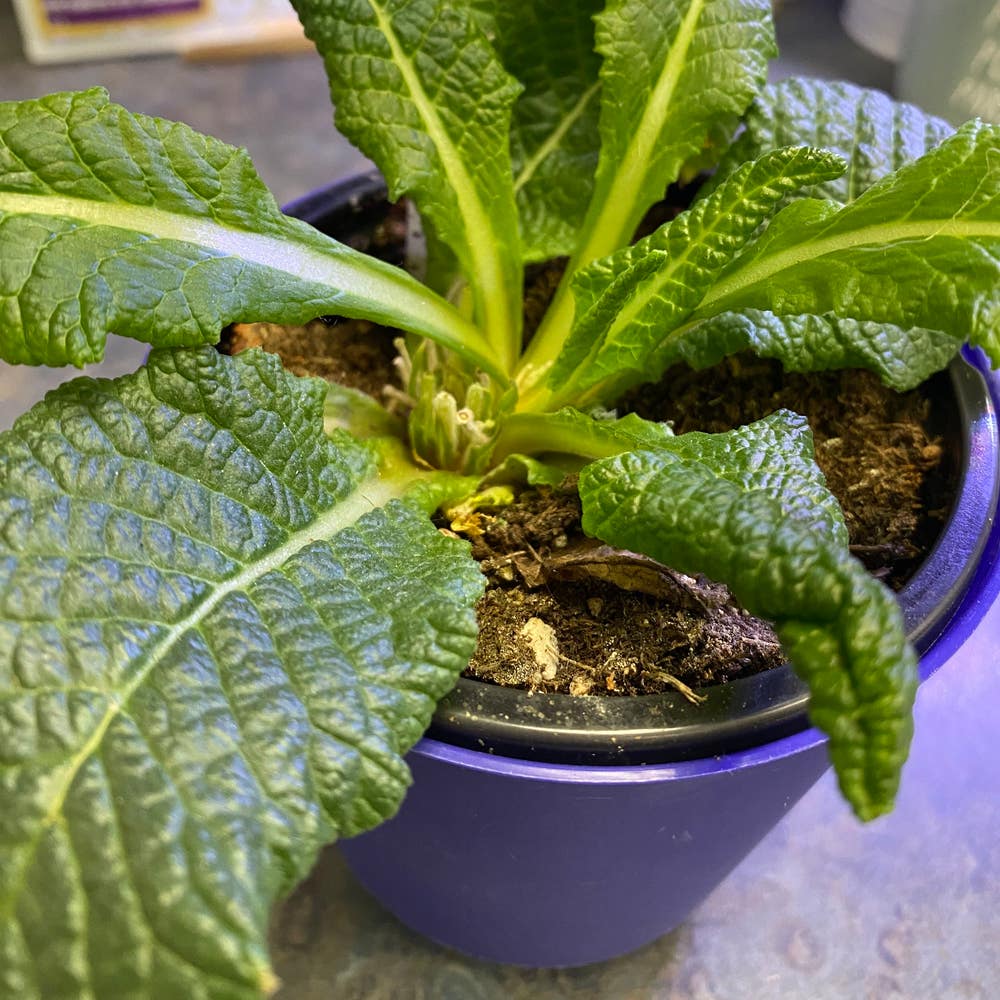
Best Companion Plants for Primula 🌸
Primula chionantha subsp. sinopurpurea
By the Greg Editorial Team
Nov 22, 2024•4 min read
This article was created with the help of AI so we can cover more plants for you. May contain errors. See one? Report it here.
Elevate your garden's beauty 🌼 and health by pairing Primula with ideal companion plants for a thriving ecosystem!
- 🌼 Brunnera, Heuchera, and Astilbe are ideal companions for thriving Primula plants.
- 🐞 Companion plants deter pests like aphids and slugs, promoting Primula's health.
- 🎨 Layering diverse plants enhances visual appeal and supports a thriving garden ecosystem.
Best Companion Plants for Primula
Plant 1: Brunnera 🌼
Brunnera is a delightful shade-loving perennial known for its heart-shaped leaves and charming small blue flowers. It thrives in the same moist, shaded conditions as Primula, making it an ideal companion that not only enhances the garden's beauty but also attracts pollinators, boosting biodiversity.
Plant 2: Heuchera 🌈
Heuchera offers a stunning array of leaf colors, adding visual interest to your garden. This plant prefers similar soil conditions and moisture levels as Primula, and it acts as a natural pest repellent, particularly against aphids, ensuring your Primula remains healthy and vibrant.
Plant 3: Astilbe 🌸
Astilbe is celebrated for its feathery plumes of flowers that bloom in shades of pink, red, and white. Thriving in moist, shaded areas, it complements Primula's habitat beautifully while helping to retain soil moisture, benefiting both plants in the process.
Plant 4: Ferns 🍃
Ferns are fantastic shade-loving plants that create a lush backdrop for Primula. They help maintain soil moisture and prevent erosion, while also providing a natural habitat for beneficial insects, making them a perfect addition to your garden ecosystem.
These companion plants not only enhance the growth and health of Primula but also contribute to a vibrant and diverse garden. By carefully selecting these companions, you can create a flourishing environment that supports both beauty and biodiversity.
Pest Management through Companion Planting
Companion planting is a powerful strategy for managing pests in your garden. By selecting the right plants, you can create a natural pest-repellent environment that benefits your Primula.
🌿 Pest Repellent Properties of Companion Plants
Certain companion plants deter pests through their scent or chemical properties. This natural defense mechanism is crucial for maintaining a healthy garden ecosystem.
Choosing companions that repel common pests is essential. For instance, plants like Heuchera emit scents that aphids find unappealing, helping to keep these pesky insects at bay.
🐞 Specific Pests That Primula May Face
Primula can encounter various pests, but companion plants can provide effective solutions.
Aphids are a common threat, but you can deter them by planting Heuchera nearby. This plant not only enhances your garden's aesthetic but also acts as a natural pest repellent.
Slugs can also be problematic for Primula. To combat this, consider using ferns and other dense foliage. These plants create barriers that make it harder for slugs to reach your Primula.
By incorporating these companion plants, you can foster a thriving garden while minimizing pest issues. This approach not only protects your Primula but also enhances the overall health of your garden ecosystem.
As we explore the visual appeal and aesthetic benefits of companion planting, you'll see how these choices can elevate your garden's beauty while keeping pests in check.
Visual Appeal and Aesthetic Benefits
🌼 Enhancing Visual Appeal
Companion plants can significantly enhance the visual appeal of Primula. By incorporating plants with complementary colors and textures, you create a vibrant garden display that draws the eye.
Layering different plants adds depth and interest to your garden. This technique not only makes your space more visually engaging but also helps to create a more natural look.
🎨 Color Combinations and Seasonal Interest
Timing is everything when it comes to blooms. Pairing the early spring flowers of Primula with summer bloomers ensures that your garden remains lively throughout the seasons.
Varied foliage colors and shapes keep the visual interest alive year-round. This diversity not only pleases the eye but also supports a thriving ecosystem in your garden.
Incorporating these aesthetic benefits into your gardening strategy will not only beautify your space but also create a harmonious environment for your Primula. Next, let’s explore how companion planting can aid in pest management, ensuring your garden remains healthy and vibrant.
Plants to Avoid Near Primula
When planning your garden, it's crucial to know which plants to steer clear of when growing Primula. Certain plants can hinder their growth and overall health.
🌱 Competing Plants
Aggressive perennials are among the top offenders. These plants can compete fiercely for moisture and nutrients, leaving your Primula struggling to thrive.
🐛 Pest-Attracting Flowers
Some flowering plants, particularly certain types of daisies, can attract pests that may harm your Primula. Keeping these plants at bay helps maintain a healthier garden ecosystem.
🚫 Reasons for Incompatibility
The competition for resources can lead to stunted growth in Primula. Additionally, increased pest attraction from incompatible plants undermines your pest management efforts.
By avoiding these plants, you can create a more harmonious environment for your Primula to flourish. This thoughtful approach to companion planting sets the stage for a vibrant and healthy garden.
Next, let’s explore how companion plants can enhance the visual appeal and aesthetic benefits of Primula.
⚠️ Safety First
This content is for general information and may contain errors, omissions, or outdated details. It is not medical, veterinary advice, or an endorsement of therapeutic claims.
Always consult a qualified healthcare professional before using any plant as food, medicine, or supplement.
Never eat any plant (or feed one to pets) without confirming its identity with at least two trusted sources.
If you suspect poisoning, call Poison Control (800) 222-1222, the Pet Poison Helpline (800) 213-6680, or your local emergency service immediately.
Spotted an error? Please report it here.
Enhance your Primula's health and beauty with perfect companions like Brunnera and Heuchera 🌼, and let Greg provide you with tailored care tips to ensure they thrive together!