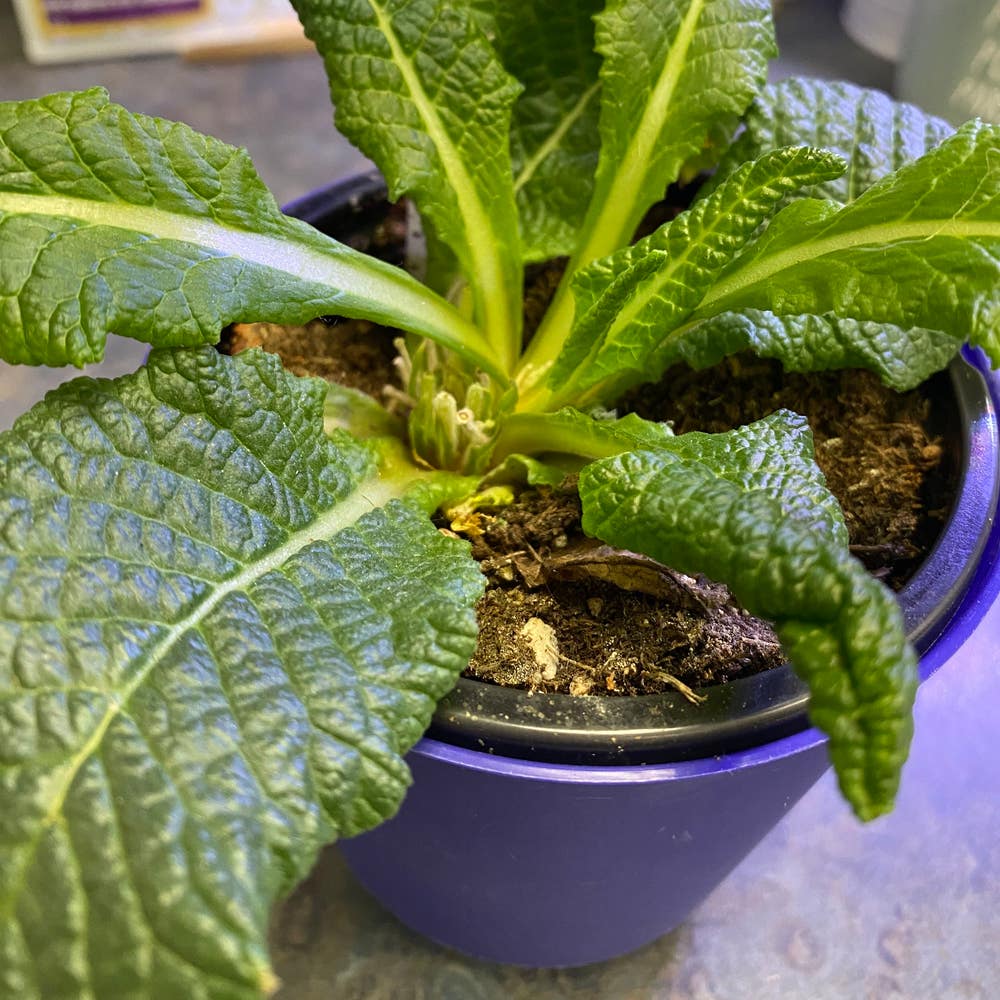
☀️ Light Requirements For Your Primula
Primula chionantha subsp. sinopurpurea
By the Greg Editorial Team
Nov 22, 2024•4 min read
This article was created with the help of AI so we can cover more plants for you. May contain errors. See one? Report it here.
Master the light needs of your Primula 🌼 to unlock stunning blooms and vibrant growth indoors and out!
- 🌞 Position Primula near east/west windows for optimal light exposure.
- 💡 Provide 10-14 hours of light daily for healthy growth and vibrant blooms.
- 🌿 Avoid direct sunlight to prevent leaf scorch; use shade cloth if needed.
Indoor Light Requirements
🌞 Natural Light Considerations
When it comes to indoor light for your Primula, placement is key. Position your plants near east or west-facing windows to provide them with moderate light exposure.
Direct sunlight can be detrimental, leading to leaf scorch. Aim for 10-12 hours of light each day to ensure your Primula thrives and grows healthily.
💡 Recommended Grow Light Types and Usage
If natural light is lacking, consider using grow lights to supplement your Primula's needs. LED grow lights are a fantastic choice due to their energy efficiency and adjustable spectrum.
Fluorescent lights also work well, especially for seedlings and in low-light conditions. For optimal results, position your grow lights 12-24 inches above the plants and set a timer to maintain consistent exposure.
During the growing season, aim for 12-14 hours of light daily. This routine will help your Primula flourish and produce vibrant blooms.
With the right light conditions established, your Primula will be well on its way to thriving indoors. Next, let's explore the outdoor light requirements for these beautiful plants.
Outdoor Light Requirements
Ideal Sunlight Exposure 🌞
When it comes to outdoor Primula, the best light conditions are dappled sunlight or partial shade. Most varieties thrive with morning sun followed by afternoon shade, which helps them flourish without the risk of overheating.
Different species have specific sun requirements. Generally, Primula prefers moist, shaded areas, making it essential to choose the right spot in your garden for optimal growth.
Effects of Shade and Partial Sun 🌳
Shade offers numerous benefits for Primula. It protects these delicate plants from leaf scorch and wilting, especially in hotter climates, while also helping to maintain soil moisture levels.
To find suitable locations in your garden, look for spots under trees or near taller plants that can provide that much-needed filtered light. This strategic placement can make all the difference in keeping your Primula healthy and vibrant.
With the right light conditions, your Primula will not only survive but thrive, setting the stage for beautiful blooms. Next, let’s explore how light affects flowering and what you can do to ensure your plants are at their best.
Light and Flowering Relationship
🌼 How Light Affects Blooming
Light plays a crucial role in the blooming process of Primula. Adequate light exposure is essential for robust flowering, as it helps the plant produce the energy needed for vibrant blooms.
When Primula receives insufficient light, the consequences can be disappointing. You may notice fewer flowers and weaker plants, which can be frustrating for any gardener eager to see their efforts rewarded with colorful blossoms.
To ensure your Primula thrives and produces an abundance of flowers, focus on providing the right light conditions. This means positioning your plants where they can soak up enough natural light or supplementing with grow lights if necessary.
In summary, the relationship between light and flowering is vital. By understanding and optimizing light exposure, you can enjoy a flourishing display of Primula blooms that brighten your space.
Next, let’s explore how to troubleshoot light-related issues to keep your plants healthy and blooming beautifully.
Troubleshooting Light-Related Issues
🌱 Signs of Insufficient Light
If your Primula isn't thriving, it might be a sign of insufficient light. Look out for leggy growth, characterized by stretched stems and sparse foliage, which indicates the plant is reaching for more light.
Another telltale sign is poor flowering. If your Primula has healthy leaves but few or no blooms, it’s likely not getting enough light to support robust flowering.
💡 Adjusting Light Conditions
To remedy low light conditions, consider moving your plants closer to windows or placing them under grow lights. This simple adjustment can significantly improve their health and vitality.
Additionally, rotating your plants regularly ensures they receive even light exposure, promoting balanced growth.
For those in high light conditions, it’s crucial to protect your Primula from leaf scorch. Use shade cloth or relocate them to a less intense light area to help maintain their health and vibrancy.
By addressing these light-related issues, you can foster a thriving environment for your Primula, ensuring they bloom beautifully and grow strong. Next, let’s explore how light affects the blooming process.
⚠️ Safety First
This content is for general information and may contain errors, omissions, or outdated details. It is not medical, veterinary advice, or an endorsement of therapeutic claims.
Always consult a qualified healthcare professional before using any plant as food, medicine, or supplement.
Never eat any plant (or feed one to pets) without confirming its identity with at least two trusted sources.
If you suspect poisoning, call Poison Control (800) 222-1222, the Pet Poison Helpline (800) 213-6680, or your local emergency service immediately.
Spotted an error? Please report it here.
Keep your Primula blooming beautifully 🌼 by using Greg's tailored light reminders and tips to ensure they get the perfect exposure for vibrant growth!