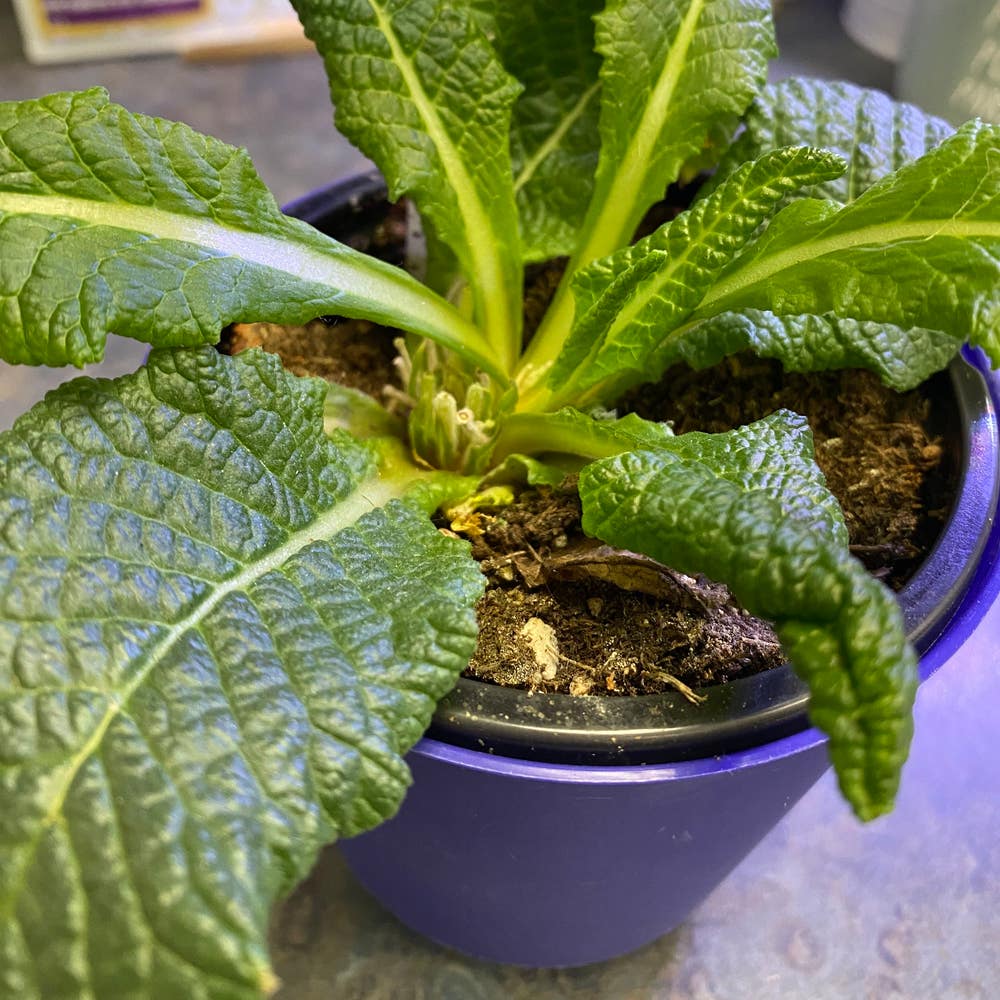
10 Winter Threats to Your Primula ❄️
Primula chionantha subsp. sinopurpurea
By the Greg Editorial Team
Nov 22, 2024•3 min read
This article was created with the help of AI so we can cover more plants for you. May contain errors. See one? Report it here.
Keep your Primula thriving this winter with essential care tips for watering and protection! 🌱❄️
- ❄️💧 Reduce watering during winter to prevent root rot and stress in Primula.
- 🌡️ Maintain indoor temperatures between 60°F to 70°F for optimal Primula health.
- 🛡️ Protect from frost using cloches or blankets before the first frost hits.
Winter Care Requirements
Adjusting Watering Schedules for Winter 🌊
During winter dormancy, it's crucial to reduce watering for your Primula. Overwatering can lead to root rot, while underwatering can stress the plant.
Aim to water every 2-4 weeks, adjusting based on your indoor or outdoor conditions. Look for signs of overwatering, such as yellowing leaves or mushy stems, and signs of underwatering, like wilting or dry soil.
Fertilizing Primula During Winter 🌱
As a general rule, avoid fertilizing Primula during their dormant winter phase. However, some specific varieties may benefit from light feeding.
For those exceptions, consider using a balanced fertilizer with a low nitrogen content. Pre-spring applications can help prepare your plants for the growing season ahead.
Frost Protection Strategies ❄️
Identifying frost-prone areas in your garden is the first step in protecting your Primula. These areas are often low-lying or shaded, where cold air settles.
To shield your plants, use cloches, frost blankets, or row covers. Timing is key; apply these protective measures before the first frost hits to ensure your Primula stays safe.
Indoor Winter Care for Primula 🏠
If you're keeping your Primula indoors, maintain a temperature range of 60°F to 70°F (15°C to 21°C). This temperature range helps mimic their natural habitat.
Humidity is also important; aim for moderate levels to keep your plants thriving. Ensure good airflow and avoid drafts, as these can stress your Primula and hinder their growth.
With these winter care strategies, your Primula will be well-prepared to thrive through the colder months. Next, let’s explore how to spot signs of winter damage in your plants.
Spring Preparation and Recovery
🌨️ Signs of Winter Damage in Primula
As winter fades, it’s crucial to check your Primula for signs of frost damage. Look for wilting leaves, discoloration, and mushy stems, which can indicate that your plant has suffered during the colder months.
Assessing overall plant health is essential at this stage. Differentiate between normal dormancy—where the plant is simply resting—and actual damage that may require intervention.
🌱 Steps for Recovery and Rejuvenation in Spring
Pruning Damaged Foliage: Start by pruning any damaged leaves and stems. This should be done as soon as you notice the damage, ensuring you cut back to healthy tissue to promote new growth.
Gradual Reintroduction to Water and Nutrients: After pruning, reintroduce water and nutrients slowly. Begin with light watering and a diluted fertilizer to help your Primula recover without overwhelming it.
Monitoring for Pests and Diseases: Keep a close eye on your plants for any signs of pests or diseases. Spring is a time for growth, but it’s also when issues can arise, so vigilance is key.
With these steps, your Primula can bounce back beautifully, ready to thrive in the warmer months ahead. Transitioning into spring care not only revitalizes your plants but also sets the stage for a vibrant garden.
⚠️ Safety First
This content is for general information and may contain errors, omissions, or outdated details. It is not medical, veterinary advice, or an endorsement of therapeutic claims.
Always consult a qualified healthcare professional before using any plant as food, medicine, or supplement.
Never eat any plant (or feed one to pets) without confirming its identity with at least two trusted sources.
If you suspect poisoning, call Poison Control (800) 222-1222, the Pet Poison Helpline (800) 213-6680, or your local emergency service immediately.
Spotted an error? Please report it here.
Keep your Primula thriving this winter ❄️ by using Greg's tailored reminders for watering and protection, ensuring a vibrant garden come spring!