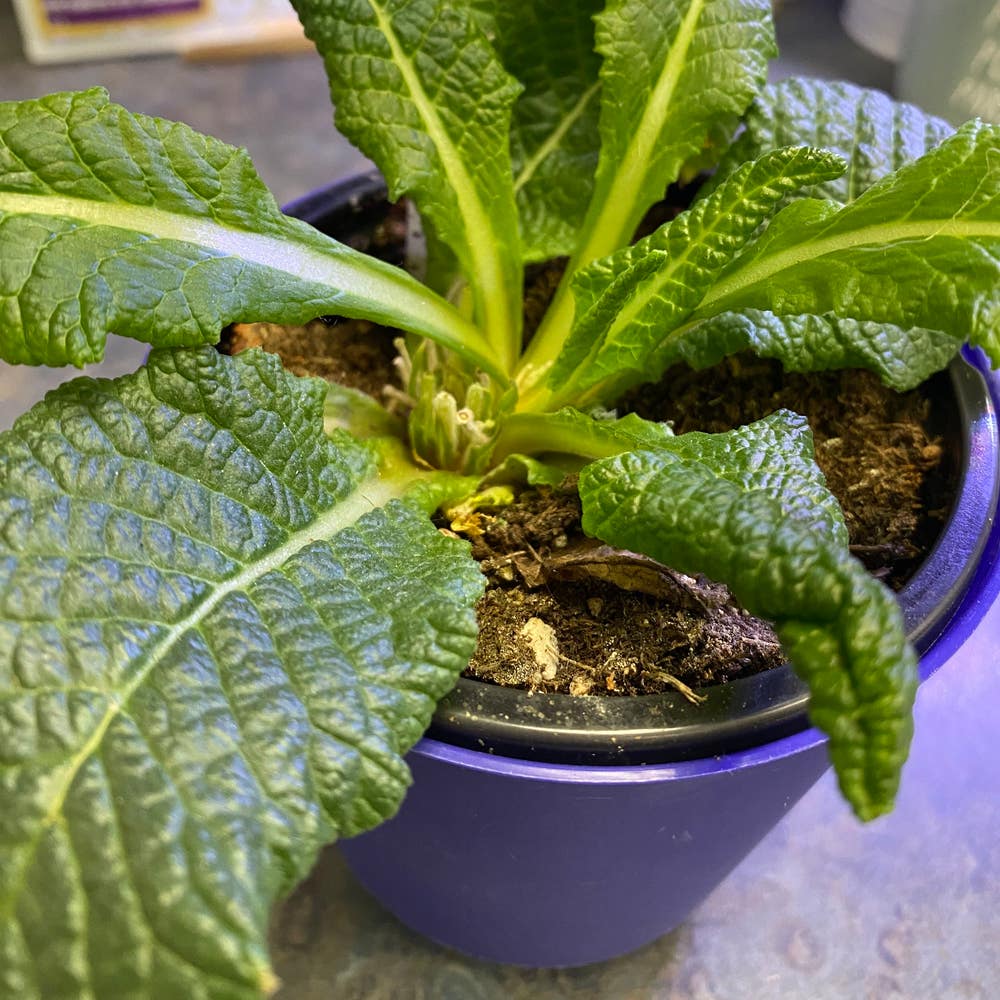
🌸 Humidity Needs for Your Primula
Primula chionantha subsp. sinopurpurea
By the Greg Editorial Team
Nov 22, 2024•5 min read
This article was created with the help of AI so we can cover more plants for you. May contain errors. See one? Report it here.
Unlock vibrant growth for your Primula 🌱 by mastering its humidity needs and preventing wilting or rot!
- 🌬️ Primula thrives at 40%-60% humidity; monitor levels for optimal health.
- 💧 Use humidifiers or pebble trays to boost humidity effectively around your Primula.
- 🌱 Signs of low humidity include wilting leaves; adjust care to prevent stress.
Humidity Needs of Primula
Absolute vs. Relative Humidity 🌧️
Understanding humidity is crucial for keeping your Primula thriving.
Absolute humidity refers to the actual amount of water vapor present in a volume of air, measured in grams per cubic meter (g/m³). This measurement tells you how much moisture is in the air, regardless of temperature.
On the other hand, relative humidity is the percentage of moisture in the air compared to the maximum it can hold at a specific temperature. For example, if the air can hold 100 grams of water vapor at a certain temperature and currently holds 50 grams, the relative humidity is 50%.
Both absolute and relative humidity significantly impact your Primula's moisture requirements and overall health.
Primula plants thrive in environments with consistent humidity levels. If the humidity is too low, they may struggle to absorb enough moisture, leading to wilting or stunted growth. Conversely, excessive humidity can create a breeding ground for mold and root rot, jeopardizing your plant's health.
By monitoring both types of humidity, you can create an optimal environment for your Primula. This knowledge empowers you to adjust care routines, ensuring your plants flourish in their ideal conditions.
With a solid grasp of humidity concepts, you're ready to explore local humidity considerations.
Local Humidity Considerations
Assessing Local Humidity Levels 🌧️
To ensure your Primula thrives, it's essential to monitor local humidity levels. Use tools like hygrometers or weather apps to get accurate readings of the moisture in your environment.
Primula prefers consistent humidity levels, ideally between 40% to 60%. Maintaining this range helps keep your plants healthy and vibrant.
Impact of Seasonal Changes 🌦️
Humidity levels can fluctuate significantly with the seasons. In winter, indoor heating can dry the air, while summer may bring higher humidity levels.
Adapt your care routine based on these seasonal changes. For instance, during dry months, consider using a humidifier or misting your Primula more frequently to combat low humidity.
Strategies for Boosting Humidity
🌬️ Using Humidifiers
To create the ideal environment for your Primula, consider using a humidifier. There are two main types: cool mist and warm mist, each with its benefits.
Cool mist humidifiers are great for adding moisture without raising the temperature. Warm mist humidifiers can help maintain warmth, especially in cooler months.
Placement is key. Position your humidifier near your Primula but ensure it’s not directly blowing on the plant to avoid excess moisture on the leaves.
🌱 Grouping Plants
Another effective strategy is to group your Primula with other plants. This clustering creates a microenvironment that naturally boosts humidity levels.
Aim for a spacing of about a few inches between plants to allow for air circulation while still benefiting from the increased humidity. This arrangement not only helps your Primula thrive but also adds a lush aesthetic to your space.
🪨 Pebble Trays and Water Bowls
Creating pebble trays is a simple yet effective way to enhance humidity. Fill a shallow tray with pebbles and add water until it just touches the pebbles.
Place your Primula on top of the tray. As the water evaporates, it will increase the humidity around your plant.
Additionally, placing bowls of water nearby can also help. The larger the surface area, the more moisture will be released into the air.
💦 Misting Techniques
Misting your Primula can provide a quick humidity boost. Aim to mist your plants in the morning to allow leaves to dry throughout the day.
Be cautious, though. Excess moisture on leaves can lead to fungal issues, so avoid over-misting. A light, even misting every few days should suffice.
By implementing these strategies, you can create a thriving environment for your Primula, ensuring they receive the humidity they need to flourish. Next, we'll explore strategies for reducing humidity when necessary.
Strategies for Reducing Humidity
🌬️ Ventilation Techniques
Air circulation is crucial for managing humidity levels around your Primula. Proper ventilation helps prevent stagnant air, which can lead to excessive moisture buildup.
To enhance airflow, consider using fans or simply opening windows. This not only promotes a healthier environment for your plants but also helps maintain a balanced humidity level.
🚫 Avoiding Overwatering
Overwatering is a common mistake that can significantly increase humidity and lead to root rot. It's essential to understand that too much water in the soil can create a damp atmosphere detrimental to your Primula's health.
To avoid this, regularly check the soil moisture before watering. A simple finger test—sticking your finger about an inch into the soil—can help you gauge whether your plant needs water.
🌱 Choosing the Right Potting Mix
Selecting the right potting mix is vital for humidity control. An ideal mix should provide good drainage while retaining some moisture.
Look for a blend that includes components like perlite or vermiculite, which help prevent waterlogging. This ensures your Primula thrives without the risk of excess humidity.
By implementing these strategies, you can effectively manage humidity levels and create a healthier environment for your Primula. Next, let’s explore the signs of humidity stress to ensure your plants are thriving.
Signs of Humidity Stress
🌬️ Symptoms of Low Humidity
Low humidity can be a silent killer for your Primula. Look out for wilting leaves, which indicate that your plant is struggling to retain moisture.
Browning tips on the leaves are another telltale sign. If you notice stunted growth, it’s time to reassess your humidity levels.
💧 Signs of Excess Humidity
On the flip side, excess humidity can also wreak havoc. Mold growth is a clear indicator that your Primula is drowning in moisture.
Yellowing leaves often accompany this issue, signaling distress. If root rot sets in, it can be a death sentence for your plant, so act quickly.
⚙️ Strategies for Correcting Excess Humidity Issues
To tackle excess humidity, improve air circulation by using fans or opening windows. This helps to balance moisture levels and keep your Primula healthy.
Additionally, ensure you're not overwatering. Check the soil moisture regularly to prevent waterlogged conditions that lead to root rot.
By staying vigilant about these signs and symptoms, you can maintain a thriving environment for your Primula. Now, let’s explore how to boost humidity effectively!
⚠️ Safety First
This content is for general information and may contain errors, omissions, or outdated details. It is not medical, veterinary advice, or an endorsement of therapeutic claims.
Always consult a qualified healthcare professional before using any plant as food, medicine, or supplement.
Never eat any plant (or feed one to pets) without confirming its identity with at least two trusted sources.
If you suspect poisoning, call Poison Control (800) 222-1222, the Pet Poison Helpline (800) 213-6680, or your local emergency service immediately.
Spotted an error? Please report it here.
Keep your Primula thriving 🌱 by using Greg's tailored humidity tips and reminders to create the perfect environment for growth!