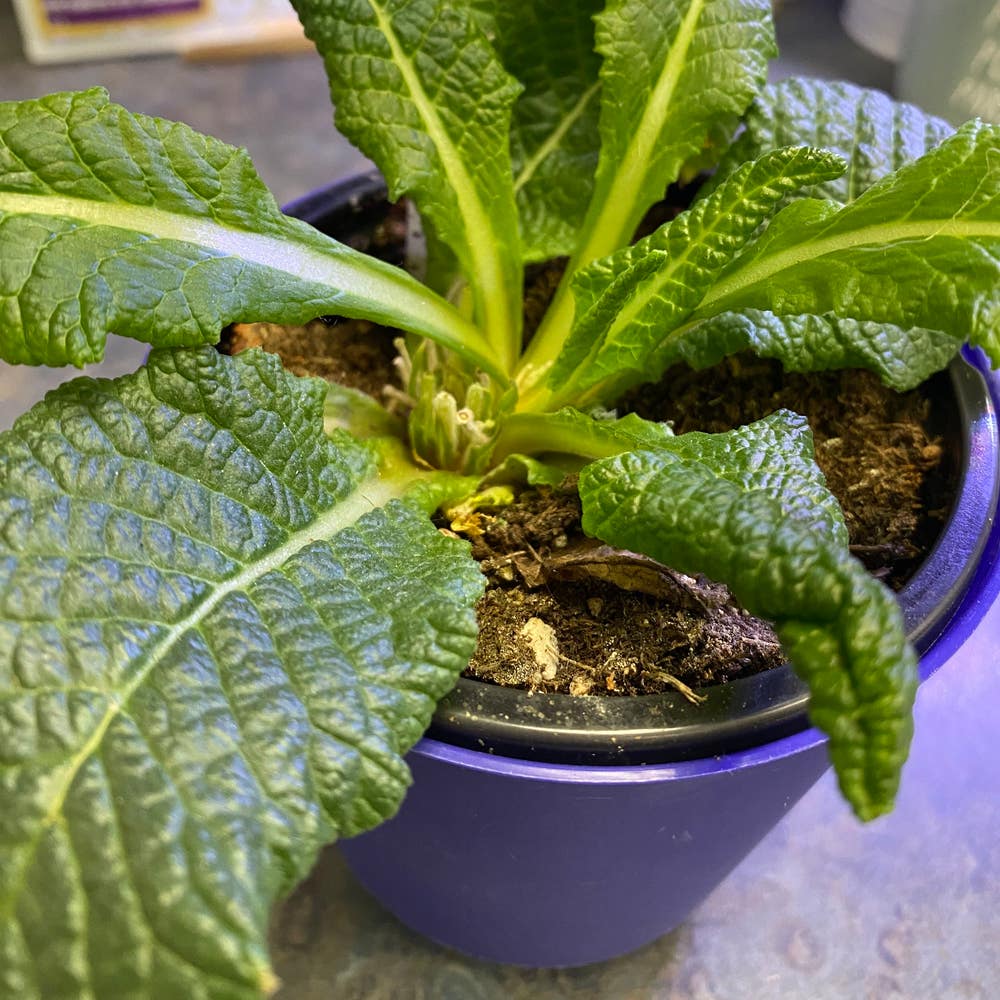
💧 How Often to Water Your Primula
Primula chionantha subsp. sinopurpurea
By the Greg Editorial Team
Nov 22, 2024•5 min read
This article was created with the help of AI so we can cover more plants for you. May contain errors. See one? Report it here.
Unlock vibrant blooms 🌸 and robust growth by mastering the perfect watering routine for your Primula! 💧
- 💧 Water Primula every 5-7 days during growth; adjust in winter for dormancy.
- 🌱 Signs of over-watering include yellow leaves and mold; check moisture regularly.
- 🌼 Under-watering causes drooping leaves; ensure consistent moisture for vibrant blooms.
Watering Frequency
Ideal watering schedule 🌧️
To keep your Primula thriving, aim to water it every 5-7 days during the growing season. This frequency ensures your plant receives the moisture it needs to flourish.
As winter approaches and your Primula enters dormancy, it's time to adjust your watering routine. Reduce the frequency to prevent over-saturation, allowing the plant to rest without stress.
Importance of consistent moisture 💧
Maintaining consistent moisture is crucial for your Primula's health. Fluctuations in water levels can lead to stress, which may hinder growth and vitality.
By sticking to a regular watering schedule, you promote robust growth and vibrant blooms. Your Primula will thank you with its colorful display!
With a solid understanding of watering frequency, let’s explore how to recognize the signs of over-watering and under-watering.
Recognizing Over-Watering and Under-Watering
🚿 Signs of Over-Watering
Over-watering can be a sneaky problem for your Primula. One of the first signs is yellowing leaves, which often indicates root stress and potential rot.
If you notice wilting despite wet soil, it’s a red flag that your roots may be suffocated. Additionally, look out for mold or fungus on the soil surface, as this is a clear sign of excessive moisture.
Finally, when repotting, check for root rot by inspecting for black, mushy roots. If you find them, it’s time to reassess your watering habits.
💧 Signs of Under-Watering
On the flip side, under-watering can also harm your Primula. Drooping leaves are a telltale sign that your plant is lacking moisture and is starting to wilt.
You might also notice dry, crumbly soil, which indicates prolonged dryness. If the leaf edges start turning brown, this is a sign of dehydration that shouldn’t be ignored.
Another concerning sign is flower buds dropping prematurely, which indicates stress from insufficient water. Keeping an eye on these signs will help you maintain a healthy watering routine for your Primula.
Understanding these signs is crucial for your plant's health, ensuring you can adjust your watering practices effectively. Next, let’s explore some effective watering techniques to keep your Primula thriving.
Watering Techniques
🌊 Bottom-watering method
Bottom-watering is a fantastic technique that encourages deep root growth by hydrating your Primula from below. This method helps ensure that the roots reach down into the soil, promoting a healthier plant overall.
To bottom-water effectively, follow these simple steps:
- Fill a shallow tray with water.
- Place the Primula pot in the tray, allowing the soil to absorb moisture from the bottom.
- Remove the pot after 30 minutes, ensuring no excess water remains in the tray.
This technique reduces the risk of over-watering and promotes even moisture distribution, making it a reliable choice for plant care.
💧 Using self-watering pots
Self-watering pots are designed to maintain consistent moisture levels, making them a great option for busy plant parents. These pots feature a water reservoir that allows plants to draw moisture as needed, ensuring they never go thirsty.
The advantages of self-watering pots include:
- Reduced frequency of watering
- Prevention of both over-watering and under-watering
When using self-watering pots, ensure you choose the right pot size and that drainage is adequate. This will help your Primula thrive with minimal effort on your part.
With these watering techniques, you can keep your Primula healthy and vibrant. Next, let’s explore how to measure soil moisture to ensure your plant gets just the right amount of water.
Measuring Soil Moisture
🌱 How to check soil moisture levels
Checking the moisture levels of your Primula's soil is crucial for its health. Start with a simple visual inspection: look for a dry surface and any noticeable color changes.
Next, try the finger test. Insert your finger into the soil up to one inch; if it feels dry, it's time to water.
Finally, consider the soil texture. Crumbly soil typically indicates dryness, while sticky soil suggests that moisture is still present.
📏 Tools for measuring soil moisture
For a more precise approach, use moisture meters. These digital or analog devices provide accurate readings of the soil's moisture content. Simply insert the probe into the soil and read the moisture level displayed.
If you prefer a DIY method, grab a wooden stick or chopstick. You can gauge moisture by weight; if it feels heavy, there's likely enough moisture in the soil.
Regular checks are essential. They help maintain optimal moisture levels for your Primula, ensuring it thrives throughout its growing season.
By mastering these techniques, you can confidently care for your Primula and keep it flourishing. Next, let’s explore effective watering techniques to further enhance your plant care routine.
Watering Reminders and Scheduling
📱 Using the Greg Plant Care App for Reminders
The Greg plant care app is an AI-powered tool designed to simplify plant care, including watering reminders. By inputting your Primula's watering frequency, you can receive timely notifications that help you maintain consistent moisture levels.
This app is a game-changer for preventing both over-watering and under-watering. With its user-friendly interface, you can easily keep track of your plant's needs without the stress of remembering when to water.
📅 Setting Up a Watering Schedule
Creating a personalized watering schedule is essential for your Primula's health. Consider environmental factors like humidity and temperature, as well as your plant's specific needs, to tailor your approach.
As seasons change, so should your watering frequency. During the growing season, you may need to water more often, while in dormancy, you can reduce the frequency.
Flexibility is key. Regularly monitor your plant's response and adjust your schedule as necessary to ensure optimal growth and health.
With these strategies, you'll be well-equipped to keep your Primula thriving. Next, let’s explore how to measure soil moisture effectively.
⚠️ Safety First
This content is for general information and may contain errors, omissions, or outdated details. It is not medical, veterinary advice, or an endorsement of therapeutic claims.
Always consult a qualified healthcare professional before using any plant as food, medicine, or supplement.
Never eat any plant (or feed one to pets) without confirming its identity with at least two trusted sources.
If you suspect poisoning, call Poison Control (800) 222-1222, the Pet Poison Helpline (800) 213-6680, or your local emergency service immediately.
Spotted an error? Please report it here.
Keep your Primula happy and blooming 🌼 by using Greg's tailored watering reminders to master its moisture needs throughout the seasons!