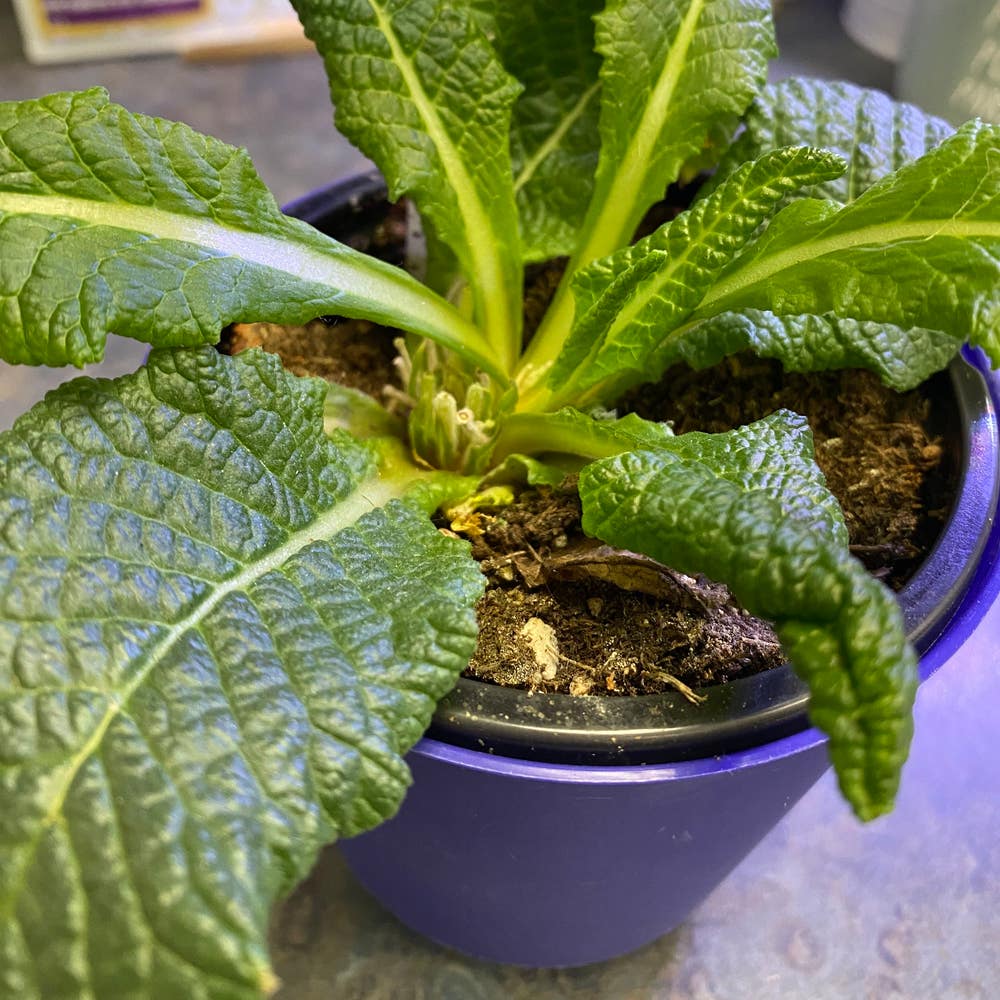
🌸 Step-by-Step Guide to Propagating Primula
Primula chionantha subsp. sinopurpurea
By the Greg Editorial Team
Nov 22, 2024•5 min read
This article was created with the help of AI so we can cover more plants for you. May contain errors. See one? Report it here.
Master the art of propagating Primula 🌱 from seeds, cuttings, and divisions for a vibrant garden all year round! 🌼
- 🌱 Harvest Primula seeds in late spring for optimal germination success.
- 🌡️ Maintain 15-20°C temperature and indirect light for healthy seed sprouting.
- ✂️ Use cuttings and division techniques in spring or fall for effective propagation.
Propagating from Seeds
Step-by-Step Instructions for Seed Collection 🌱
Collecting seeds from Primula is a straightforward process. Aim to gather seeds in late spring to early summer when the seed pods are dry and ready for harvest.
To collect the seeds, gently shake the seed pods or cut them off the plant. Place the seeds in a paper bag for easy storage and to prevent moisture buildup.
Germination Process and Conditions 🌡️
Germinating Primula seeds requires specific conditions for success. Start with a well-draining seed starting mix that has a pH between 6.0 and 7.0.
Maintain a temperature of 15°C to 20°C (59°F to 68°F) for optimal germination. It's crucial to provide indirect light and avoid covering the seeds with soil, as they need light to sprout. Typically, you can expect seeds to germinate within 2-4 weeks.
Transplanting Seedlings 🌿
Once your seedlings have developed 2-3 true leaves, it's time to transplant them. This usually occurs a few weeks after germination.
Space the seedlings 6-8 inches apart in pots or garden beds to allow for healthy growth. After transplanting, water them thoroughly and provide partial shade for the first few weeks to help them acclimate.
With these steps, you'll be well on your way to successfully propagating Primula from seeds. Next, let’s explore how to propagate these lovely plants from cuttings.
Propagating from Cuttings
🌱 Selecting the Right Cuttings
To successfully propagate Primula from cuttings, timing is essential. The best times to take cuttings are early spring or late summer when the plants are healthy and vigorous.
Aim for cuttings that are 3-4 inches long, taken from healthy stems. This length provides enough material for rooting while ensuring the cutting is robust.
✂️ Preparing Cuttings for Rooting
Preparation is key to successful rooting. Start by removing the lower leaves, leaving just 1-2 leaves at the top to minimize moisture loss.
Next, cut the stem at an angle. This technique increases the surface area, enhancing the cutting's ability to develop roots.
🌿 Rooting Hormone Application
Using rooting hormone can significantly improve your success rate. Dip the cut end of the cutting in rooting hormone powder before planting.
This simple step promotes root development and can lead to healthier plants. It's a small investment of time that pays off in the long run.
🌞 Ideal Conditions for Rooting
Creating the right environment for your cuttings is crucial. Use a sterile, well-draining potting mix to prevent rot and encourage healthy growth.
Humidity is also important; cover the cuttings with a plastic bag or dome to maintain moisture levels.
Finally, provide bright, indirect light. Avoid direct sunlight, which can scorch the cuttings and hinder their growth.
With these steps, you’ll be well on your way to successfully propagating Primula from cuttings. Next, let’s explore the process of rooting hormone application in more detail.
Propagating by Division
Best Time for Division 🌱
The best time to divide Primula plants is during early spring or fall. This timing ensures that the plants are not actively blooming, allowing for a smoother transition and recovery.
How to Divide Plants ✂️
To divide your Primula, carefully dig up the entire plant. Use a sharp spade or garden fork to separate the root ball into sections, ensuring each section has at least one crown and some roots.
Replanting Divided Sections 🌍
When replanting the divided sections, space them 12-18 inches apart. It's also essential to amend the soil with organic matter to improve drainage and promote healthy growth.
Aftercare for Divided Plants 💧
After replanting, water the sections thoroughly to help them settle in. For the first few weeks, provide partial shade to reduce stress and encourage strong root establishment.
With these steps, you can successfully propagate Primula by division, ensuring vibrant blooms for seasons to come. Next, let’s explore common challenges you might face during propagation and how to overcome them.
Common Challenges in Propagation
🎲 Issues with Seed Germination
Germinating seeds can sometimes feel like a game of chance. Several factors can lead to poor germination rates, including improper temperature, insufficient light, or using old seeds.
Causes of Poor Germination Rates
- Improper Temperature: Seeds thrive within specific temperature ranges. If it’s too cold or too hot, they may not sprout.
- Insufficient Light: Seeds need light to germinate, but too much direct sunlight can be harmful.
- Old Seeds: Seeds lose viability over time. Always check the expiration date before planting.
Solutions for Improving Germination
To boost your germination success, consider these recommendations. Use fresh seeds, maintain optimal temperature and light conditions, and ensure the soil remains adequately moist.
🌱 Problems with Rooting Cuttings
Rooting cuttings can be tricky, and not every attempt will yield success. Recognizing the signs of unsuccessful rooting is crucial for troubleshooting.
Signs of Unsuccessful Rooting
Look out for wilting leaves, discoloration, or a lack of root development after 4-6 weeks. These indicators suggest that your cuttings may not be thriving.
Troubleshooting Tips
If you encounter issues, check humidity levels and ensure your cuttings receive proper light exposure. You might also want to consider reapplying rooting hormone to encourage growth.
✂️ Division Challenges
Dividing plants can rejuvenate them, but it’s essential to know when and how to do it correctly.
Identifying When Division is Necessary
Watch for signs like overcrowding, reduced flowering, or poor growth. These can indicate that your plants need a little extra space to thrive.
Common Mistakes During Division
Avoid common pitfalls such as not using clean tools, damaging roots during the process, or neglecting to water adequately after division. These mistakes can hinder your plants' recovery and growth.
By understanding these challenges and their solutions, you can enhance your propagation efforts and enjoy a thriving garden. Next, let's explore the exciting process of propagating from cuttings!
⚠️ Safety First
This content is for general information and may contain errors, omissions, or outdated details. It is not medical, veterinary advice, or an endorsement of therapeutic claims.
Always consult a qualified healthcare professional before using any plant as food, medicine, or supplement.
Never eat any plant (or feed one to pets) without confirming its identity with at least two trusted sources.
If you suspect poisoning, call Poison Control (800) 222-1222, the Pet Poison Helpline (800) 213-6680, or your local emergency service immediately.
Spotted an error? Please report it here.
Propagate your Primula like a pro 🌱 with Greg's tailored reminders and expert tips, ensuring your seeds and cuttings flourish into a stunning display of blooms!