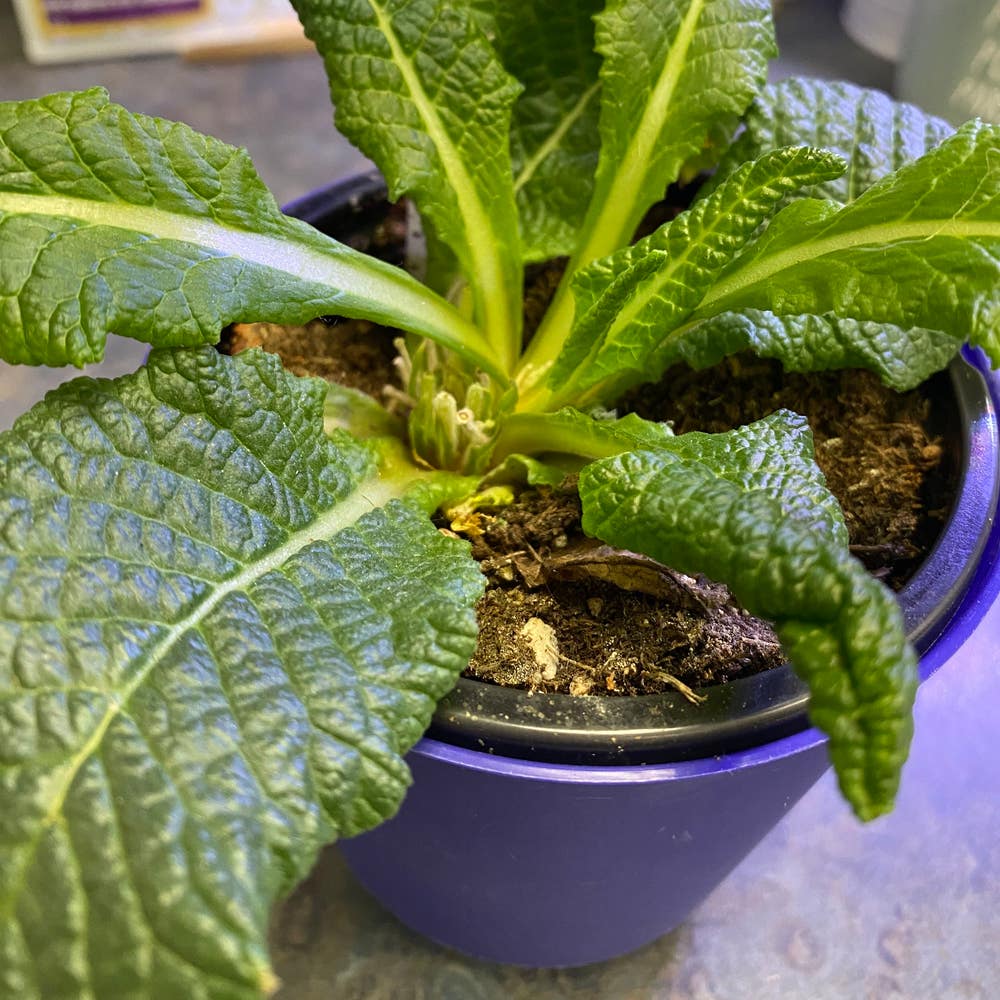
❄️ Optimal Hardiness Zones for Primula: 4a-8b
Primula chionantha subsp. sinopurpurea
By the Greg Editorial Team
Nov 22, 2024•6 min read
This article was created with the help of AI so we can cover more plants for you. May contain errors. See one? Report it here.
Unlock the secret to thriving Primula blooms 🌸 in any climate by mastering their temperature tolerance and ideal growing conditions!
- 🌡️ Primula thrives in hardiness zones 4a to 8b, perfect for cooler U.S. climates.
- ❄️ Cold resilient, Primula tolerates temperatures as low as -30°F (-34°C) for early blooms.
- 🌞 Partial shade to full sun is ideal, with morning light boosting flowering success.
Primula Temperature Tolerance
❄️ Cold Tolerance Specifics
Primula species exhibit impressive cold tolerance, with many varieties thriving in temperatures as low as -30°F (-34°C). This resilience makes them a favorite for gardeners in hardiness zones 4a to 8b.
Frost tolerance is another key characteristic of Primula. These plants can endure light frosts, allowing them to bloom early in spring when temperatures are still chilly.
Some notable Primula varieties with high cold tolerance include Primula vulgaris and Primula elatior. These species not only survive but flourish in colder climates, making them ideal choices for northern gardens.
🔥 Heat Tolerance Specifics
On the flip side, Primula also has its limits when it comes to heat. Most species can tolerate temperatures up to 80°F (27°C), but prolonged exposure to higher temperatures can stress the plants.
Understanding Primula's heat tolerance is crucial for successful cultivation. While they can handle some warmth, extreme heat can lead to wilting and reduced flowering.
🌡️ Temperature Ranges for Optimal Growth
For optimal growth, Primula thrives in a temperature range of 60°F to 70°F (15°C to 21°C). This sweet spot encourages vibrant blooms and healthy foliage.
Seasonal temperature variations can significantly impact Primula. In spring, warmer days can trigger early growth, while sudden cold snaps may hinder flowering. Gardeners should monitor these fluctuations to ensure their Primula remains healthy and vibrant.
As we explore ideal regions for growing Primula, understanding their temperature tolerance lays the groundwork for successful cultivation.
Ideal Regions for Growing Primula
🌎 Examples of US States in Zones 4a-8b
Primula thrives in hardiness zones 4a to 8b, making several U.S. states ideal for its cultivation. Here’s a quick list of states where you can successfully grow Primula:
- Maine: Particularly in coastal areas, where temperatures are milder.
- New York: Regions like the Hudson Valley provide a perfect climate.
- Pennsylvania: The western part of the state offers suitable conditions.
- Ohio: Areas near Lake Erie are favorable for Primula.
- Oregon: The coastal regions have the right balance of moisture and temperature.
- California: Northern parts, especially near the coast, are excellent.
- Washington: The western region, with its temperate climate, is ideal.
These states not only fall within the right hardiness zones but also have specific regions that enhance Primula's growth potential.
🌱 Factors Contributing to Ideal Growing Conditions
To ensure your Primula flourishes, consider the following factors:
Soil Type and Moisture Requirements
Primula prefers well-draining, rich soil that retains some moisture. A loamy or sandy soil mix works wonders, as it prevents waterlogging while providing essential nutrients.
- Moisture: Keep the soil consistently moist but not soggy. Regular watering is crucial, especially during dry spells.
☀️ Sunlight Exposure
Sunlight plays a vital role in the health of Primula. These plants thrive in partial shade to full sun, depending on the variety.
- Morning Sun: Ideally, they should receive morning sunlight, which helps them bloom beautifully while protecting them from harsh afternoon heat.
Understanding these growing conditions will set you up for success in cultivating Primula. With the right environment, you can enjoy vibrant blooms that brighten your garden.
As you explore the best practices for growing Primula, consider how microclimates can further enhance your gardening efforts.
Microclimates and Their Impact
🌦️ Definition of Microclimates
Microclimates are small, localized areas where the climate differs from the surrounding region. They can form due to various factors, including elevation, proximity to water, and urban structures.
Understanding microclimates is crucial for gardeners. They can create unique growing conditions that may support plants, like Primula, that wouldn't typically thrive in the broader climate zone.
🌱 How Microclimates Can Extend Primula's Growing Range
Microclimates can significantly enhance the growing conditions for Primula. For instance, a south-facing slope may capture more sunlight, providing warmth that allows Primula to flourish even in cooler zones.
To leverage microclimates for Primula cultivation, consider these strategies:
- Utilize Natural Barriers: Planting near walls or fences can create sheltered areas that protect Primula from harsh winds.
- Select Optimal Locations: Identify spots in your garden that receive maximum sunlight and are shielded from frost.
- Incorporate Water Features: Ponds or streams can moderate temperatures, creating a more stable environment for Primula.
By understanding and utilizing microclimates, you can successfully grow Primula in areas that might otherwise be unsuitable. This approach not only expands your gardening possibilities but also adds diversity to your landscape.
As we explore the ideal regions for growing Primula, keep in mind how microclimates can play a pivotal role in your gardening success.
State-Level Analysis of Hardiness Zones
🌼 List of US States Suitable for Primula (Zones 4a-8b)
Primula thrives in hardiness zones 4a to 8b, making several US states ideal for its growth. Here’s a comprehensive list of states where you can successfully cultivate these beautiful flowers:
- Maine: With its cool summers and cold winters, Maine provides a perfect environment for Primula.
- Vermont: The state's temperate climate supports Primula's cold tolerance, especially in the northern regions.
- New York: Areas like the Adirondacks offer the right conditions, with cooler temperatures and ample moisture.
- Pennsylvania: The diverse climate allows for various Primula species to flourish, particularly in the western parts.
- Ohio: Primula grows well in the cooler northern regions, where winters are cold but manageable.
- Michigan: The Great Lakes moderate temperatures, creating a suitable habitat for Primula.
- Oregon: The mild climate, especially in the coastal regions, is conducive to healthy Primula growth.
- Washington: Known for its wet climate, Washington provides the moisture Primula loves, particularly in the western part of the state.
These states not only fall within the suitable hardiness zones but also offer specific regions that enhance Primula's growth potential.
🚫 List of US States Unsuitable for Primula and Reasons Why
While many states are perfect for Primula, others pose significant challenges. Here’s a look at states where Primula struggles to survive:
- Florida: The extreme heat and humidity are detrimental to Primula, which prefers cooler conditions.
- Texas: Many regions experience scorching summers, making it hard for Primula to thrive.
- Arizona: The arid climate and high temperatures are not conducive to the moisture-loving Primula.
- Nevada: Similar to Arizona, the desert conditions create an inhospitable environment for these plants.
- Louisiana: High humidity combined with heat can lead to fungal issues, harming Primula.
These states face climatic challenges such as extreme heat or prolonged drought, which hinder the growth of Primula.
⚠️ Discussion of Specific Challenges in Unsuitable States
In unsuitable states, several factors can impede Primula's growth. High temperatures can lead to stress, causing the plants to wilt or fail to bloom. Additionally, insufficient moisture can result in poor root development, making it difficult for Primula to establish itself.
However, there are potential solutions for gardeners in these challenging climates. Utilizing shade cloths can help protect Primula from intense sunlight. Additionally, creating microclimates through strategic planting or using containers can provide the necessary cooler conditions.
By understanding these challenges and implementing adaptive strategies, even those in less-than-ideal climates can enjoy the beauty of Primula.
As we explore the next section, we’ll delve into the impact of microclimates on Primula cultivation, revealing how these localized conditions can extend its growing range.
⚠️ Safety First
This content is for general information and may contain errors, omissions, or outdated details. It is not medical, veterinary advice, or an endorsement of therapeutic claims.
Always consult a qualified healthcare professional before using any plant as food, medicine, or supplement.
Never eat any plant (or feed one to pets) without confirming its identity with at least two trusted sources.
If you suspect poisoning, call Poison Control (800) 222-1222, the Pet Poison Helpline (800) 213-6680, or your local emergency service immediately.
Spotted an error? Please report it here.
Grow vibrant Primula blooms 🌼 effortlessly by using Greg's tailored watering alerts and climate insights to keep your plants thriving in their optimal hardiness zones!