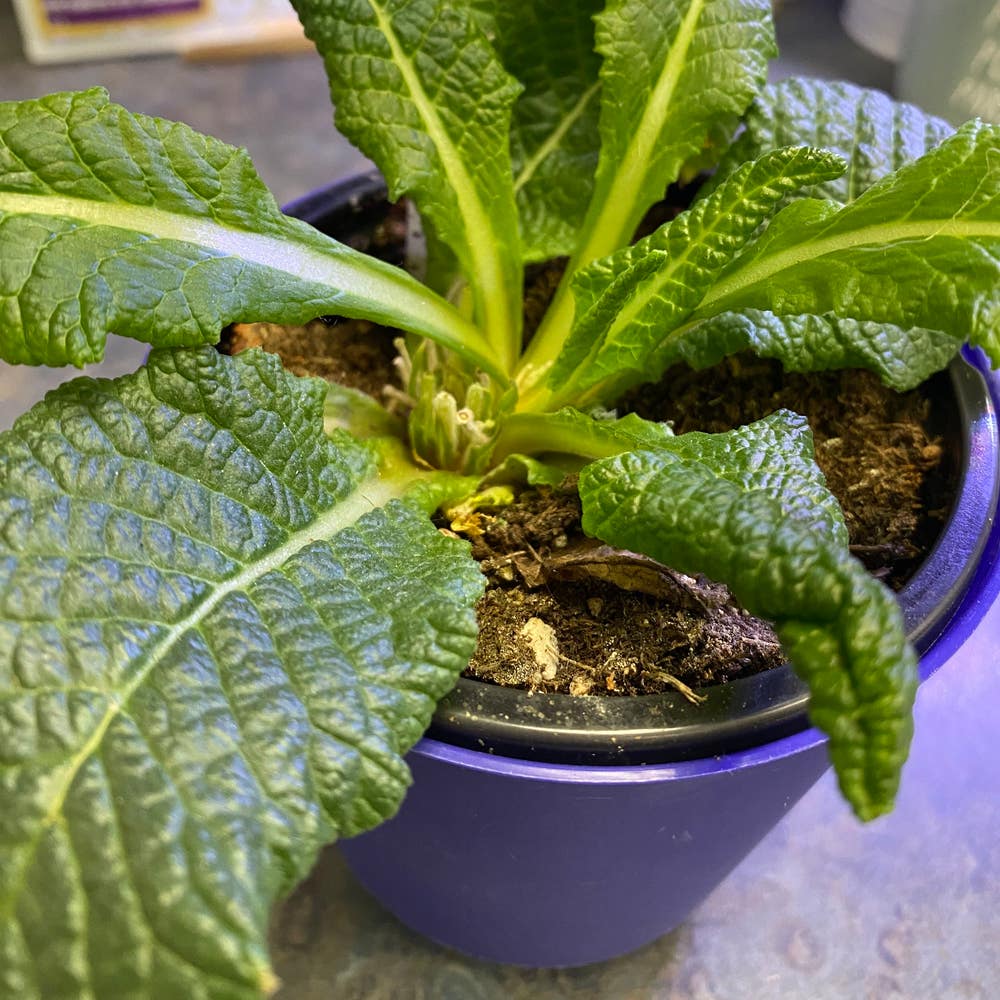
Ultimate Guide to Temperature for Primula ☀️
Primula chionantha subsp. sinopurpurea
By the Greg Editorial Team
Nov 22, 2024•3 min read
This article was created with the help of AI so we can cover more plants for you. May contain errors. See one? Report it here.
Keep your Primula blooming beautifully 🌼 by mastering temperature care for vibrant growth and resilience! 🌱
- 🌡️ Primula thrives between 50°F to 70°F; extremes cause wilting and discoloration.
- ❄️🔥 Temperature stress leads to severe damage; monitor for signs of stress.
- 🌱 Mulching and shade cloths help maintain optimal temperatures for healthy Primula growth.
Temperature Requirements for Primula
🌡️ Optimal Temperature Range
Primula thrives best in a temperature range of 50°F to 70°F (10°C to 21°C). Different varieties have specific preferences; for instance, alpine varieties can tolerate cooler temperatures, making them ideal for colder climates, while garden bed varieties prefer the moderate temperatures within this optimal range.
Maintaining these ideal temperatures is crucial for healthy growth and vibrant flowering. When temperatures stray too far from this range, Primula may struggle to flourish.
❄️ Temperature Stress in Primula
Signs of Temperature Stress
Temperature stress can manifest in several ways. Wilting symptoms, such as drooping leaves and stems, indicate that the plant is struggling, often due to inadequate moisture or extreme temperatures.
Leaf discoloration is another telltale sign, with yellowing or browning edges and dark spots suggesting stress. Additionally, stunted growth, characterized by reduced height and leaf production, can signal that your Primula is not thriving.
Causes of Temperature Stress
Heat stress occurs when temperatures exceed 80°F (27°C). Symptoms include wilting, leaf scorch, and a noticeable reduction in flowering.
Conversely, cold stress happens when temperatures drop below 32°F (0°C), leading to similar wilting and leaf discoloration, and in severe cases, can even result in the death of the plant. Understanding these stressors is vital for effective Primula care.
🍂 Seasonal Temperature Considerations
Preparing for Seasonal Temperature Shifts
As seasons change, it's essential to prepare your Primula for temperature shifts. Gradual exposure to changing temperatures helps acclimatize the plants, while adjusting watering based on seasonal needs ensures they remain hydrated.
During extreme temperature events, protective measures are crucial. Mulching can insulate roots in winter, while providing shade during summer heat waves can help prevent stress.
🌍 Geographic Considerations
Ideal Growing Zones
Primula is best suited for USDA hardiness zones 3 to 8, depending on the specific variety. Selecting the right variety for your local climate conditions is essential for successful growth.
Regional Temperature Variations
Microclimates can significantly impact Primula growth. For example, shaded woodland areas may provide cooler conditions compared to open garden beds, while elevation and proximity to water bodies can create temperature variations.
Adjusting care practices based on these regional temperature patterns can enhance your Primula's health and vitality.
🛠️ Temperature Management Techniques
Strategies for Maintaining Optimal Temperature
To maintain optimal temperatures for your Primula, consider utilizing shade cloths during peak summer heat. Implementing raised beds can improve drainage and temperature control, creating a more favorable environment.
Monitoring soil temperature with thermometers is also beneficial, ensuring that your plants are growing under ideal conditions.
Protective Measures Against Temperature Extremes
Protecting your Primula from temperature extremes is vital. For frost protection, covering plants with frost cloths or blankets can shield them from cold damage, while using cloches or cold frames is effective for young plants.
During extreme heat events, watering early in the morning cools the soil, and providing temporary shade can help mitigate stress. These protective measures will keep your Primula thriving through seasonal challenges.
⚠️ Safety First
This content is for general information and may contain errors, omissions, or outdated details. It is not medical, veterinary advice, or an endorsement of therapeutic claims.
Always consult a qualified healthcare professional before using any plant as food, medicine, or supplement.
Never eat any plant (or feed one to pets) without confirming its identity with at least two trusted sources.
If you suspect poisoning, call Poison Control (800) 222-1222, the Pet Poison Helpline (800) 213-6680, or your local emergency service immediately.
Spotted an error? Please report it here.
Keep your Primula thriving 🌼 by using Greg for tailored care tips that ensure your plants stay in their ideal temperature zone and avoid stress!