🌸 4 Benefits of Having a Primula
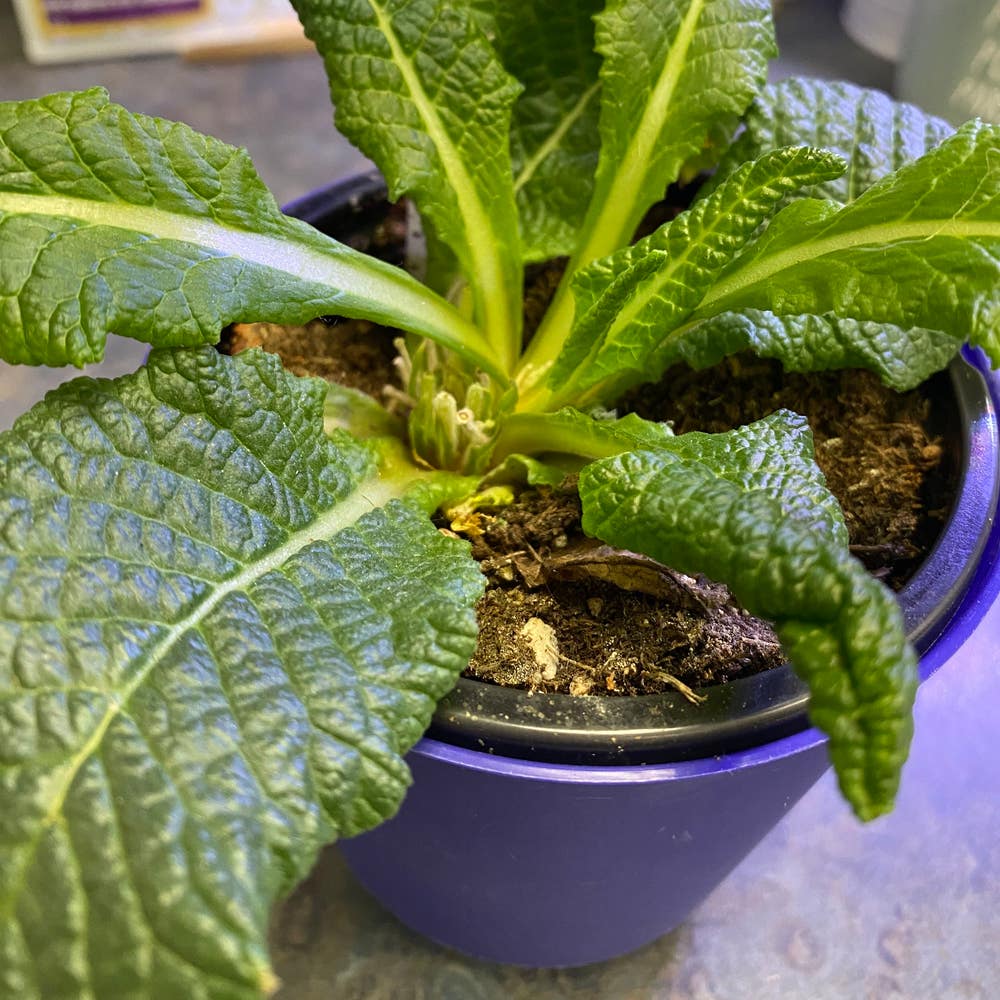
Primula chionantha subsp. sinopurpurea
By the Greg Editorial Team
Nov 22, 2024•5 min read
This article was created with the help of AI so we can cover more plants for you. May contain errors. See one? Report it here.
Elevate your garden's beauty 🌸 while nurturing biodiversity with the stunning Primula flowers that thrive in any setting!
- 🌼 Primula enhances garden beauty with vibrant colors and unique flower shapes.
- 🐝 Supports pollinators like bees and butterflies, boosting local ecosystems.
- 🌱 Improves soil health and prevents erosion, promoting ecological balance.
Aesthetic Appeal
Vibrant Color Palette 🌈
Primula flowers are a feast for the eyes, showcasing a stunning range of colors including yellow, pink, purple, and white. These vibrant hues not only brighten up early spring gardens but also beautifully complement other seasonal blooms, creating a lively and inviting atmosphere.
Unique Flower Shapes 🌟
The charm of Primula extends beyond its colors; it also boasts unique flower shapes. With forms ranging from cup-shaped to star-shaped and clustered blooms, these flowers add texture and depth to floral arrangements, making them a favorite among gardeners and florists alike.
The aesthetic appeal of Primula makes it a versatile choice for any garden, enhancing visual interest and providing a cheerful welcome as the seasons change. As we explore further, we'll delve into how these beautiful plants support biodiversity and attract essential pollinators.
Biodiversity and Pollinator Support
🌼 Attracting Pollinators
Primula flowers are a magnet for various pollinators, including bees, butterflies, and other beneficial insects. Their vibrant blooms provide essential early food sources, supporting local ecosystems as these creatures emerge from winter.
Pollinators play a crucial role in maintaining the health of our gardens and natural habitats. By planting Primula, you not only enhance your garden's beauty but also contribute to the survival of these vital species.
🌱 Biodiversity Enhancement
In addition to attracting pollinators, Primula contributes significantly to biodiversity. These plants help create diverse plant communities, which are essential for maintaining ecological balance.
A rich variety of plants fosters a healthier environment, supporting a wider range of wildlife. By incorporating Primula into your garden, you actively participate in promoting biodiversity and nurturing the ecosystem.
As we explore the next section, we will delve into the medicinal uses of Primula, highlighting its traditional applications and modern research findings.
Medicinal Uses
🌿 Traditional Uses
Primula has long been celebrated for its anti-inflammatory properties. Herbal remedies often utilize this plant to soothe various ailments, making it a staple in traditional medicine.
In addition to its anti-inflammatory benefits, Primula may offer relief for respiratory issues and skin irritations. Its versatility in addressing multiple health concerns makes it a valuable addition to herbal practices.
🔬 Modern Research
Recent studies are diving deeper into the medicinal properties of Primula. Researchers are exploring its efficacy and potential applications in contemporary herbal medicine, shedding light on its benefits in today's health landscape.
As interest in natural remedies grows, Primula stands out as a promising candidate for further investigation. Its historical uses combined with modern research could pave the way for innovative treatments in the future.
With a solid foundation in traditional practices and a growing body of scientific inquiry, Primula is poised to make a significant impact in both herbal and modern medicine.
This exploration of Primula's medicinal uses highlights its importance, leading us to consider its cultural significance and the stories that surround this remarkable plant.
Symbolism and Cultural Significance
🌸 Cultural Associations
Primula flowers are often seen as symbols of love, youth, and renewal. Across various cultures, these vibrant blooms represent fresh beginnings and the joy of life, making them a popular choice for celebrations and special occasions.
In many traditions, Primula is associated with spring, embodying the spirit of rejuvenation as nature awakens. Their bright colors and cheerful presence uplift spirits, making them a favorite in gardens and homes alike.
📜 Folklore and Mythology
The stories surrounding Primula are as colorful as the flowers themselves. In folklore, these plants have been depicted as harbingers of good fortune and happiness, often linked to tales of love and new beginnings.
Different cultures have woven Primula into their myths, celebrating its beauty and resilience. From ancient legends to modern interpretations, these flowers continue to inspire and captivate, reminding us of the enduring connection between nature and human emotion.
As we explore the environmental benefits of Primula, we see how these flowers not only enrich our lives symbolically but also contribute positively to our ecosystems.
Environmental Benefits
Soil Health Improvement 🌱
Primula plays a vital role in enhancing soil structure and health. Its root system helps aerate the soil, promoting better drainage and nutrient absorption, which is essential for plant growth.
Additionally, Primula contributes organic matter to the soil as its leaves decompose. This process enriches the soil, fostering a thriving ecosystem for beneficial microorganisms.
Erosion Control 🌊
Planting Primula can significantly aid in preventing soil erosion, especially in vulnerable areas. Its dense foliage and root network stabilize the soil, reducing runoff during heavy rains.
Moreover, Primula's ability to thrive in various conditions makes it an excellent choice for erosion control in gardens and landscapes. By incorporating these resilient plants, you can help protect your soil while enjoying their beauty.
As we explore the next section, let's delve into the resilience and adaptability of Primula, showcasing its hardiness in diverse environments.
Resilience and Adaptability
🌱 Hardiness in Various Conditions
Primula is a remarkable plant that showcases its ability to thrive in a variety of environments. Whether nestled in the shade of woodlands or braving the harsh conditions of alpine regions, these flowers adapt beautifully.
Their resilience allows them to flourish in diverse climates, making them a favorite among gardeners. This adaptability not only enhances garden aesthetics but also supports local ecosystems.
🧑🌾 Care and Maintenance
One of the best features of Primula is its low maintenance requirements. These hardy plants are perfect for both novice and experienced gardeners alike.
With minimal care, they can provide vibrant blooms year after year. Just a little attention to watering and occasional deadheading can keep them looking their best.
In summary, Primula's resilience and ease of care make it an ideal choice for anyone looking to add beauty to their garden. As we explore the next section, let's delve into the environmental benefits these lovely plants offer.
⚠️ Safety First
This content is for general information and may contain errors, omissions, or outdated details. It is not medical, veterinary advice, or an endorsement of therapeutic claims.
Always consult a qualified healthcare professional before using any plant as food, medicine, or supplement.
Never eat any plant (or feed one to pets) without confirming its identity with at least two trusted sources.
If you suspect poisoning, call Poison Control (800) 222-1222, the Pet Poison Helpline (800) 213-6680, or your local emergency service immediately.
Spotted an error? Please report it here.
Transform your garden with vibrant Primula blooms 🌸 while Greg provides tailored care tips to help them thrive and support local ecosystems effortlessly!