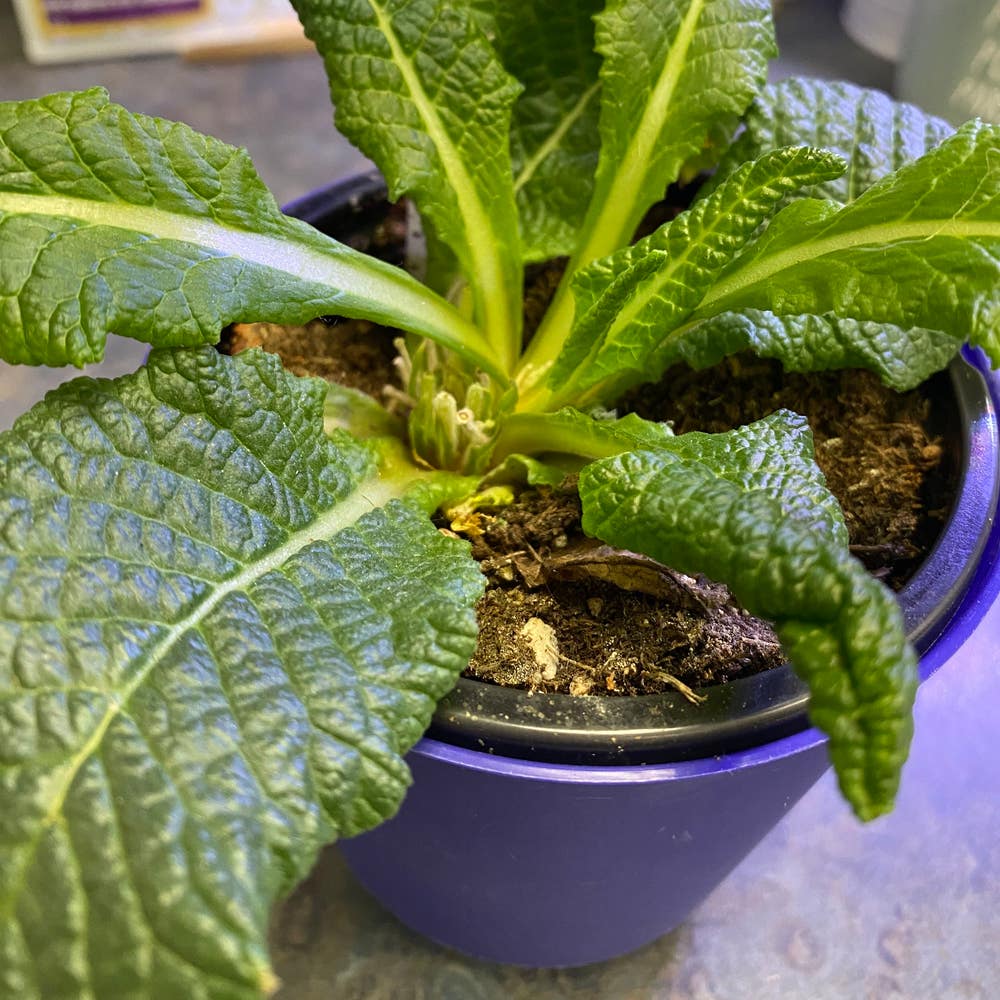
9 Outdoor Care Tips for Primula 🌸
Primula chionantha subsp. sinopurpurea
By the Greg Editorial Team
Nov 22, 2024•8 min read
This article was created with the help of AI so we can cover more plants for you. May contain errors. See one? Report it here.
Cultivate stunning Primula blooms 🌸 with essential tips on sunlight, watering, and seasonal care! 🌱
- ☀️🌿 Primula needs 4-6 hours of sunlight; too much sun causes scorch, too little leads to leggy growth.
- 💧 Water Primula 1-2 times weekly; watch for wilting or yellowing leaves to prevent issues.
- 🌱 Use well-draining, organic-rich soil with pH 6.0-7.0 for optimal growth and health.
Sunlight Requirements
Ideal Conditions 🌞
Primula is a versatile plant that flourishes in both partial shade and full sun. For optimal growth, aim for 4-6 hours of direct sunlight each day.
Effects of Sunlight ☀️
Too much sun can lead to leaf scorch, wilting, and reduced flowering. Conversely, insufficient sunlight results in leggy growth, fewer blooms, and overall poor health.
Adjusting Exposure 🌤️
To maximize sunlight exposure, position your Primula in a spot that receives the right amount of light. Consider using shade cloth or taller plants to provide filtered light during the hottest parts of the day.
By understanding and managing sunlight requirements, you can ensure your Primula thrives beautifully in your garden. Next, let’s explore the watering needs essential for keeping these plants healthy.
Watering Needs
General Guidelines 🌧️
Primula loves consistently moist soil, but be careful not to let it become waterlogged. Aim to water your plants 1-2 times per week, adjusting based on weather conditions and soil moisture.
Signs of Watering Issues 🚨
Watch for signs of underwatering, like wilting leaves, dry soil, and drooping flowers. Conversely, overwatering can lead to yellowing leaves, root rot, and mushy stems, which can be detrimental to your plants' health.
Techniques 💧
To keep your Primula thriving, soak the soil thoroughly and then allow it to dry slightly before the next watering. Consider using drip irrigation or soaker hoses for efficient moisture delivery, ensuring your plants get the hydration they need without the risk of overwatering.
With proper watering techniques, your Primula will flourish, setting the stage for vibrant blooms and healthy growth. Next, let's explore the ideal soil preferences and amendments to further enhance your gardening success.
Soil Preferences and Amendments
Ideal Composition 🌱
Primula thrives best in well-draining soil that is rich in organic matter. Aim for a soil pH between 6.0 and 7.0 to create the perfect environment for growth.
Amendments 🧑🌾
To enhance soil fertility and drainage, incorporate compost or well-rotted manure into your planting area. Regularly testing your soil quality can help you determine if adjustments are needed to maintain that ideal pH.
For testing, consider using a simple soil test kit available at garden centers. This proactive approach ensures your Primula receives the nutrients it needs to flourish.
Practical Tips for Soil Care 💡
- Mix in Organic Matter: Adding organic materials not only improves drainage but also boosts nutrient content.
- Monitor pH Levels: If your soil is too acidic or alkaline, consider using lime to raise pH or sulfur to lower it.
By focusing on these soil preferences and amendments, you set the stage for vibrant, healthy Primula plants. Next, let’s explore the fertilization practices that will keep your plants thriving throughout the growing season.
Fertilization Practices
Schedule and Types 🌱
To keep your Primula thriving, fertilization is key. Aim to feed them every 4-6 weeks during the growing season for optimal growth and blooming.
You can choose from balanced, slow-release fertilizers or organic options. Each type has its benefits, so pick one that aligns with your gardening philosophy.
Signs of Deficiency 🚨
Watch for signs that your Primula might be lacking nutrients. Yellowing leaves, stunted growth, and poor flowering are all indicators that it’s time to boost their diet.
If you notice these symptoms, don’t panic! Adjusting your fertilization routine can often bring them back to vibrant health.
Application Techniques 🛠️
Applying fertilizer correctly can make a world of difference. For containers, sprinkle the fertilizer evenly on the soil surface and water it in well.
In garden beds, mix the fertilizer into the top layer of soil to ensure even distribution. This method helps your Primula absorb nutrients effectively.
With the right fertilization practices, your Primula will flourish, setting the stage for a stunning display. Next, let’s explore the best planting options for these beautiful flowers.
Planting Options
🌱 Container vs. Ground Planting
When it comes to planting Primula, you have two main options: containers or directly in the ground. Each method has its own set of benefits and drawbacks that can influence your gardening experience.
Benefits of Container Planting
Container planting offers flexibility and allows you to control the soil quality. You can easily move pots to optimize sunlight exposure or protect them from harsh weather conditions.
However, containers come with limitations. They provide restricted root space, which can stunt growth, and require more frequent watering and care to maintain moisture levels.
Benefits of Ground Planting
On the other hand, ground planting provides ample space for roots to spread out and access natural moisture from the soil. This method often leads to healthier plants with robust growth.
Yet, ground planting isn't without its challenges. Plants are more vulnerable to diseases, and you have less control over soil conditions and drainage, which can impact your Primula's health.
🤔 Making the Right Choice
Ultimately, the choice between container and ground planting depends on your gardening goals and local conditions. Consider your space, the amount of time you can dedicate to care, and the specific needs of your Primula varieties.
With the right approach, whether in containers or the ground, you can cultivate beautiful Primula that thrive in your garden. Next, let’s explore the essential weather protection strategies to keep your plants healthy throughout the seasons.
Weather Protection
🌧️ Strategies
Protecting your Primula from the elements is crucial for its health and vibrancy. Using mulch is an effective way to retain moisture and regulate soil temperature, creating a stable environment for your plants.
During hot spells, providing shade can prevent stress on your Primula. Conversely, when frost threatens, covering your plants with frost cloth or other protective materials can safeguard them from cold damage.
🍂 Seasonal Adjustments
As the seasons change, so should your care routines. Adjusting your watering and protection strategies based on seasonal weather patterns is essential for optimal growth.
Keep an eye on local forecasts to anticipate weather changes. This proactive approach allows you to respond quickly, ensuring your Primula remains healthy throughout the year.
With these weather protection strategies in place, your Primula will thrive, setting the stage for the next crucial aspect of care: managing pests and diseases.
Pest and Disease Management
Common Pests 🐛
Primula plants often face challenges from common pests like aphids, slugs, and snails. Look out for signs of infestation, such as distorted leaves, holes in foliage, and sticky residue on the plant.
Preventative Measures 🛡️
To keep these pests at bay, consider using organic insecticides and companion planting. Physical barriers, like row covers, can also help protect your plants, while regular inspections allow for early intervention before infestations escalate.
Common Diseases and Treatments 🦠
Primula is susceptible to diseases like powdery mildew and root rot. To combat these issues, ensure proper watering practices, apply fungicides when necessary, and promptly remove any infected plants to prevent spread.
By staying vigilant and proactive, you can maintain the health of your Primula and enjoy their vibrant blooms throughout the season. Next, let’s explore how to provide seasonal care for your plants to keep them thriving year-round.
Seasonal Care
Spring Tips 🌸
Spring is the perfect time to give your Primula a fresh start. Begin by pruning away any dead foliage to encourage new growth and vitality.
As temperatures rise, adjust your fertilization and watering routines. This ensures your plants receive the nutrients they need to thrive in the warmer months.
Summer Tips ☀️
During summer, your Primula will need extra attention. Increase your watering frequency to keep the soil consistently moist, especially during heatwaves.
Don’t forget to provide shade during the hottest parts of the day. Regularly monitor for pests and diseases, as these can become more prevalent in warmer weather.
Fall Tips 🍂
As fall approaches, it’s time to prepare your Primula for winter. Start by reducing watering to prevent root rot and apply a layer of mulch to insulate the soil.
This is also the ideal time for dividing and transplanting your Primula. Doing so will promote healthier growth in the following season.
Winter Tips ❄️
Winter can be tough on your Primula, so take steps to protect them from frost and snow. Use coverings or relocate them to a more sheltered spot if necessary.
Keep an eye on moisture levels during winter. Even though growth slows, your Primula still needs some care to ensure they emerge healthy in spring.
With these seasonal care tips, your Primula will flourish throughout the year, setting the stage for vibrant blooms and lush foliage. Next, let’s explore how climate zone considerations can further enhance your gardening success.
Climate Zone Considerations
Best Zones 🌼
Primula flourishes best in USDA zones 3-7, where the climate is just right for its vibrant blooms. Each zone offers unique conditions, so selecting the right variety is crucial for success.
Care Adjustments 🌡️
Tailoring your care practices to local climate conditions can make a significant difference. For instance, in warmer areas, you might need to provide more shade, while cooler zones may require additional protection from frost.
Choosing varieties that adapt well to your specific climate can enhance your gardening experience. Look for local recommendations or consult with gardening centers to find the best options for your area.
Understanding your climate zone not only helps in selecting the right Primula but also in ensuring they thrive throughout the seasons. With the right knowledge, you can cultivate a stunning display of these beautiful flowers in your garden.
As you consider your Primula's needs, let's delve into the next essential aspect: seasonal care.
⚠️ Safety First
This content is for general information and may contain errors, omissions, or outdated details. It is not medical, veterinary advice, or an endorsement of therapeutic claims.
Always consult a qualified healthcare professional before using any plant as food, medicine, or supplement.
Never eat any plant (or feed one to pets) without confirming its identity with at least two trusted sources.
If you suspect poisoning, call Poison Control (800) 222-1222, the Pet Poison Helpline (800) 213-6680, or your local emergency service immediately.
Spotted an error? Please report it here.
Keep your Primula blooming beautifully 🌼 by using Greg's tailored watering reminders and soil testing features to ensure they thrive all year long!