🌼 Key Milestones in Primula Growth
Primula chionantha subsp. sinopurpurea
By the Greg Editorial Team
Nov 22, 2024•5 min read
This article was created with the help of AI so we can cover more plants for you. May contain errors. See one? Report it here.
Nurture Primula from seed to stunning bloom 🌸 with this essential guide to their growth stages!
- 🌱 Primula seeds germinate in 14 to 30 days; conditions affect timing.
- 🌞 Optimal temperatures for germination are 15°C to 20°C (59°F to 68°F).
- 🌼 Primula blooms from late spring to early summer, showcasing vibrant colors.
Germination Stage
🌱 Duration of Germination
Germination is the first crucial step in the life cycle of Primula, typically taking 14 to 30 days. This timeframe can vary based on the specific species and environmental conditions.
🌟 Conditions for Successful Germination
To ensure successful germination, several key conditions must be met.
Optimal Temperature
Primula seeds thrive in an optimal temperature range of 15°C to 20°C (59°F to 68°F). Maintaining this temperature helps facilitate the germination process.
💡 Light Requirements
Light plays a significant role in germination. Some species require light to sprout, while others prefer darkness. Understanding the specific needs of your Primula species is essential for success.
💧 Soil Moisture
Soil moisture is another critical factor. The soil should be consistently moist but not waterlogged. Using seed trays with drainage holes can help manage moisture levels effectively.
By providing the right conditions, you can set the stage for healthy Primula growth. This foundational stage is vital for the plant's future development, leading seamlessly into the seedling stage.
Seedling Stage
🌱 Characteristics of Seedlings
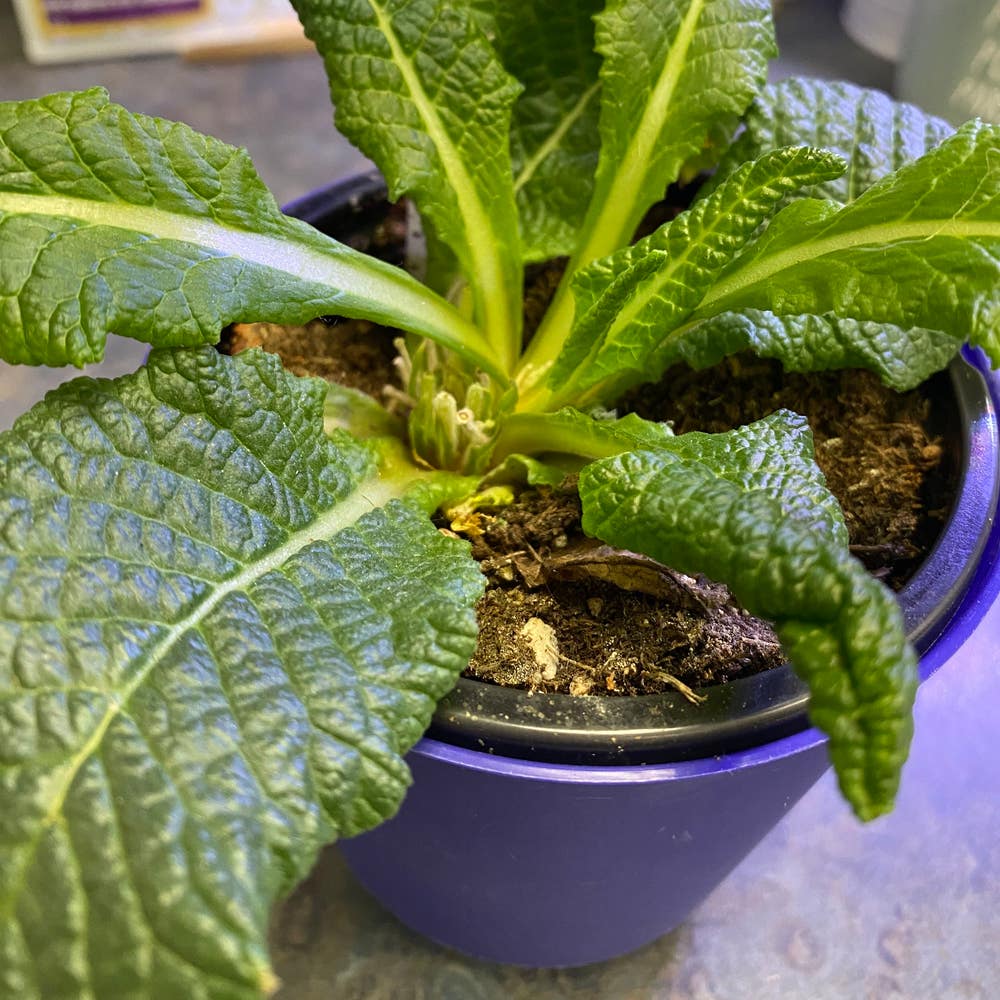
Seedlings are the young plants that emerge after germination, showcasing small, tender leaves that typically form a rosette shape. This initial stage is crucial as the plant focuses on developing a robust root system, which is essential for future growth.
⏳ Duration of the Seedling Stage
The seedling stage usually lasts between 4 to 8 weeks before the plant transitions into the vegetative growth phase. During this time, providing adequate light and moisture is vital for healthy development, ensuring the seedlings thrive and prepare for their next growth stage.
As seedlings mature, they lay the groundwork for the exciting vegetative growth phase ahead, where their true potential begins to unfold. Understanding this stage helps gardeners nurture their Primula effectively, setting the stage for vibrant blooms and successful seed production.
Vegetative Growth Stage
🌱 Description of Vegetative Growth
During the vegetative growth stage, Primula plants develop a rosette of leaves. The shapes and sizes of these leaves can vary significantly depending on the species, showcasing the diversity within this genus.
This stage is crucial as the plant focuses on establishing a robust root system and producing healthy leaves. A strong foundation in roots and foliage sets the stage for future growth and flowering.
⏳ Duration and Conditions for Optimal Growth
The vegetative growth stage typically lasts between 6 to 12 months. This duration can fluctuate based on the specific species and the environmental conditions they are exposed to.
To thrive during this stage, Primula plants require well-drained soil and consistent moisture. They also benefit from partial shade, which helps prevent stress from excessive sunlight while promoting healthy growth.
As the vegetative stage progresses, the plants prepare for the next exciting phase: flowering. Understanding these growth dynamics is essential for nurturing Primula effectively.
Flowering Stage
Timing of Flowering 🌸
Primula typically blooms from late spring to early summer, but this can vary significantly depending on the species. Factors such as temperature, light exposure, and the overall health of the plant play crucial roles in determining when flowering occurs.
Changes in Plant Appearance During Flowering 🌼
During the flowering stage, Primula displays vibrant colors and a variety of flower shapes and sizes, making them a stunning addition to any garden. These flowers are not just beautiful; they also play a vital role in attracting pollinators, which are essential for the plant's reproductive cycle.
As the flowering stage progresses, the plant's energy shifts towards reproduction, showcasing its most colorful and lively form. This transformation not only enhances the garden's aesthetic but also supports local ecosystems by inviting bees and butterflies.
With the flowering stage complete, the focus will soon shift to seed production, where the cycle of life continues. Understanding this transition is key to nurturing your Primula and ensuring a thriving garden.
Seed Production Stage
Overview of Seed Production 🌱
Seed production is a fascinating process that begins after flowering. It involves pollination and fertilization, where pollen from the male parts of the flower fertilizes the ovules in the female parts, leading to seed formation.
Different species exhibit variability in their seed production timelines. While some can produce seeds within a few months, others may take significantly longer, showcasing the diversity of the Primula family.
Duration and Conditions for Seed Production ⏳
The typical duration for seed production ranges from 2 to 4 months, starting from the flowering stage until the seeds reach maturity. This timeframe can vary based on environmental conditions and species characteristics.
To ensure successful seed production, certain conditions must be met. Adequate moisture and nutrient availability are crucial, as they support the plant's energy needs during this vital growth phase.
As we explore the growth timeline, understanding seed production helps us appreciate the intricate life cycle of Primula and the care needed to nurture these beautiful plants.
Growth Timeline
Overall Lifespan 🌱
Primulas typically have an average lifespan of 3 to 5 years. Under optimal conditions, some species can thrive even longer, showcasing their resilience.
Key Milestones in Growth Stages 📈
The growth of Primulas can be summarized through key milestones: germination, seedling establishment, vegetative growth, flowering, and seed production. Each stage plays a crucial role in the plant's life cycle.
Maturation Time ⏳
The timeframe for a Primula to reach full maturity is approximately 1 to 2 years. This duration can vary based on species and growing conditions, emphasizing the importance of a nurturing environment.
Growth Rate 🚀
Several factors influence the growth rate of Primulas, including environmental conditions, light, temperature, and soil quality. Generally, the growth rate is moderate, with seedlings focusing on establishing roots before experiencing rapid growth.
Fast-Growing vs. Slow-Growing Species 🐢🐇
It's interesting to note the variation in growth rates among different Primula species. Some species are known for their quick establishment, while others take a more leisurely approach, reflecting their unique adaptations to their environments.
Understanding these growth timelines and milestones can help you cultivate healthier Primulas. With the right care, you can witness their journey from seed to vibrant flower, enriching your garden with their beauty.
⚠️ Safety First
This content is for general information and may contain errors, omissions, or outdated details. It is not medical, veterinary advice, or an endorsement of therapeutic claims.
Always consult a qualified healthcare professional before using any plant as food, medicine, or supplement.
Never eat any plant (or feed one to pets) without confirming its identity with at least two trusted sources.
If you suspect poisoning, call Poison Control (800) 222-1222, the Pet Poison Helpline (800) 213-6680, or your local emergency service immediately.
Spotted an error? Please report it here.
Master the milestones of Primula growth 🌼 with Greg's tailored care reminders and watering plans, ensuring your plants flourish from seed to bloom!