🌸 Primula Is a Perennial
Primula chionantha subsp. sinopurpurea
By the Greg Editorial Team
Nov 22, 2024•5 min read
This article was created with the help of AI so we can cover more plants for you. May contain errors. See one? Report it here.
Unlock vibrant, resilient blooms in your garden with Primula—your low-maintenance perennial ally! 🌼🌱
- 🌼 Primula thrives for 3-5 years with proper care, making it a lasting garden choice.
- 🌱 Understanding its growth cycle helps maximize Primula's beauty and longevity in gardens.
- ☀️🌧️ Optimal conditions like well-draining soil and consistent moisture ensure Primula's success.
Characteristics of Primula as a Perennial
🌱 Multi-Year Lifecycle of Primula
Primula is a remarkable perennial that can thrive for multiple years, typically living 3-5 years or even longer with the right care. Its growth cycle is fascinating: it emerges in spring, bursts into bloom, and then gracefully enters dormancy during the winter months.
🌼 Growth Patterns and Regrowth from Roots
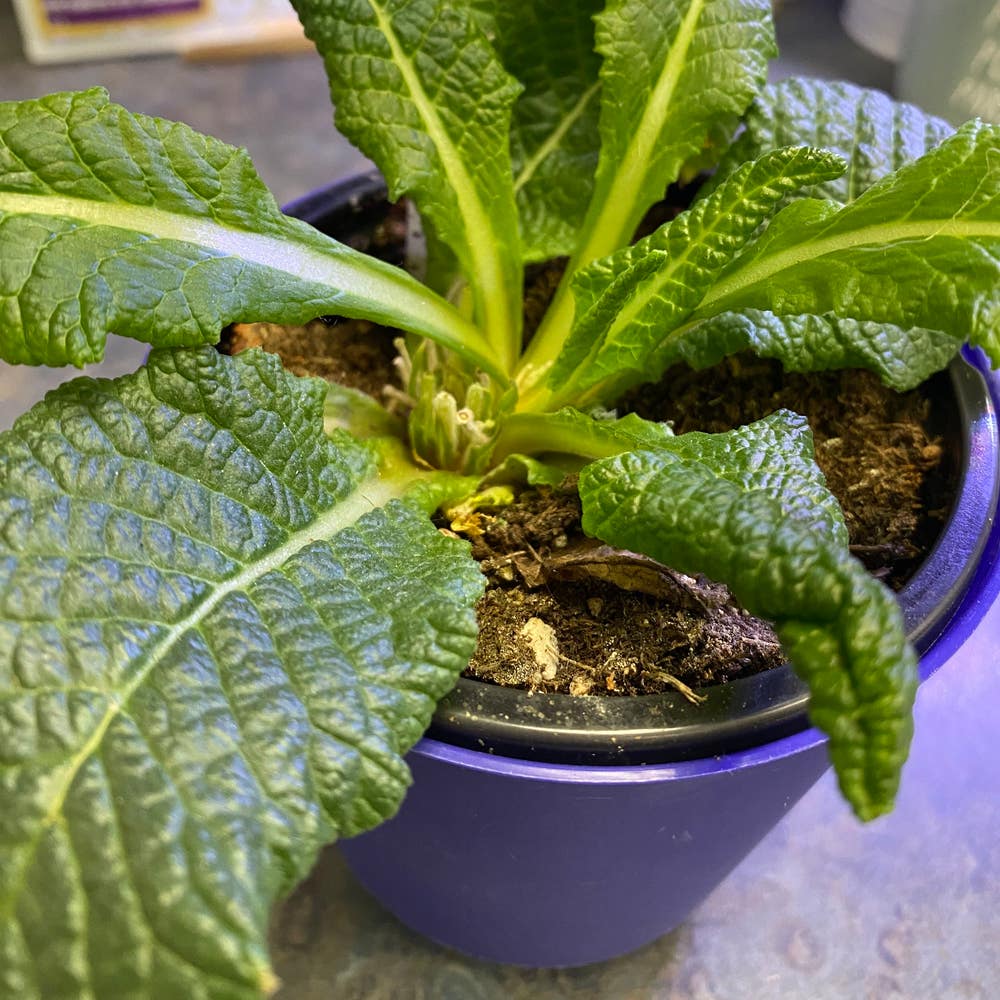
One of the standout features of Primula is its unique growth pattern. The leaves form rosettes, growing in a circular arrangement close to the ground, creating a lush green base.
As spring approaches, vibrant flowering stalks emerge, showcasing a stunning display of colors. Even during dormancy, the root system remains alive, ensuring that new growth can spring forth each spring, ready to dazzle once again.
This resilience and cyclical beauty make Primula a favorite among gardeners, providing not just blooms but a sense of continuity in the garden.
With a solid understanding of Primula's lifecycle and growth patterns, we can now explore how seasonal changes impact its growth and flowering.
Seasonal Changes and Dormancy in Primula
Dormancy Periods 🌙
Primula enters its dormancy phase typically from late fall to early spring. During this time, you may notice the leaves die back, but don’t worry—the roots remain intact and healthy, ready to spring back to life.
Impact of Seasonal Changes on Growth and Flowering 🌼
As temperatures rise in spring, Primula awakens from its slumber. New leaves and vibrant flower stalks emerge, signaling the start of a beautiful blooming season.
Primula generally flowers in early to mid-spring, bringing color and life to your garden. The timing and vigor of this growth are influenced by temperature and moisture levels, so keep an eye on the weather to ensure your plants thrive.
Understanding these seasonal changes helps you appreciate the resilience of Primula. As we transition to the next section, let’s explore the advantages of Primula's perennial nature for gardeners.
Advantages of Primula's Perennial Nature for Gardeners
🌼 Benefits
Primula offers a fantastic long-term investment for gardeners. Once established, these vibrant perennials don’t require annual replanting, allowing you to enjoy their beauty year after year.
Additionally, they are cost-effective. By not needing to purchase new plants each season, you can save money while still enhancing your garden's aesthetic.
Moreover, Primula's strong root systems contribute to improved resilience. This robustness helps them withstand adverse conditions, making them a reliable choice for various garden environments.
⏳ Expected Lifespan and Influencing Factors
Many Primula species can thrive for several years, often living between 3 to 5 years or more with proper care. This longevity makes them a staple in perennial gardens.
However, their lifespan can be influenced by several factors. Soil quality, watering practices, and climate conditions all play crucial roles in determining how well your Primula will flourish over time.
By understanding these elements, you can maximize the benefits of incorporating Primula into your garden. With the right care, these perennials can bring joy and color to your space for many seasons to come.
As you plan your garden, consider how Primula's perennial nature can enhance your landscape and simplify your gardening routine.
Variations in Primula's Behavior Across Climate Zones
🌍 Influence of Climate on Behavior
Primula species exhibit fascinating adaptability across different climate zones. In cooler regions, certain varieties thrive, taking advantage of the temperate climate and cooler temperatures to flourish.
Conversely, warmer regions host Primula varieties that are better suited to milder climates. This adaptability allows gardeners to enjoy these vibrant flowers regardless of their geographical location.
⏳ Factors Affecting Longevity
The longevity of Primula is influenced by several key factors. First, soil conditions play a crucial role; well-draining, fertile soil promotes healthier plants that can thrive for years.
Watering practices are equally important. Consistent moisture is essential, but be cautious of waterlogging, which can harm the roots.
Sunlight exposure also affects growth and flowering. Primula generally prefers full sun to partial shade, so placing them in the right light conditions is vital for their success.
Understanding these variations and factors can help you make informed decisions when incorporating Primula into your garden. By considering your local climate and conditions, you can maximize the beauty and longevity of these delightful perennials.
As you plan your garden, keep in mind how these elements interact to create a thriving environment for your Primula. This knowledge will set the stage for successful cultivation and stunning blooms in your outdoor space.
Maximizing Benefits in Garden Planning
Incorporating Primula into Garden Design 🌼
Primula can transform your garden into a vibrant oasis. By practicing companion planting, you can pair Primula with other perennials that complement its beauty and growth habits.
Choose plants that thrive in similar conditions to create a harmonious display. This not only enhances visual appeal but also promotes a healthier ecosystem in your garden.
Strategic Placement 📍
Location is key when it comes to Primula. Select spots that align with its light and moisture requirements for optimal growth.
Consider areas that receive partial shade, especially during the hottest parts of the day. This will help your Primula flourish while preventing stress from excessive heat.
Long-Term Cultivation Strategies 🌱
Regular maintenance is essential for keeping your Primula healthy and blooming. Deadheading spent flowers encourages new blooms and extends the flowering period.
Additionally, keep an eye on your plants for any signs of stress or disease. Early detection can make a significant difference in ensuring the longevity and vitality of your Primula.
Conclusion 🏆
By thoughtfully incorporating Primula into your garden design and employing effective cultivation strategies, you can enjoy a stunning display year after year. With the right care, these perennials will reward you with their beauty and resilience, making them a valuable addition to any garden.
⚠️ Safety First
This content is for general information and may contain errors, omissions, or outdated details. It is not medical, veterinary advice, or an endorsement of therapeutic claims.
Always consult a qualified healthcare professional before using any plant as food, medicine, or supplement.
Never eat any plant (or feed one to pets) without confirming its identity with at least two trusted sources.
If you suspect poisoning, call Poison Control (800) 222-1222, the Pet Poison Helpline (800) 213-6680, or your local emergency service immediately.
Spotted an error? Please report it here.
Keep your Primula thriving 🌼 year after year with Greg's tailored care tips and watering reminders that ensure vibrant blooms every spring!