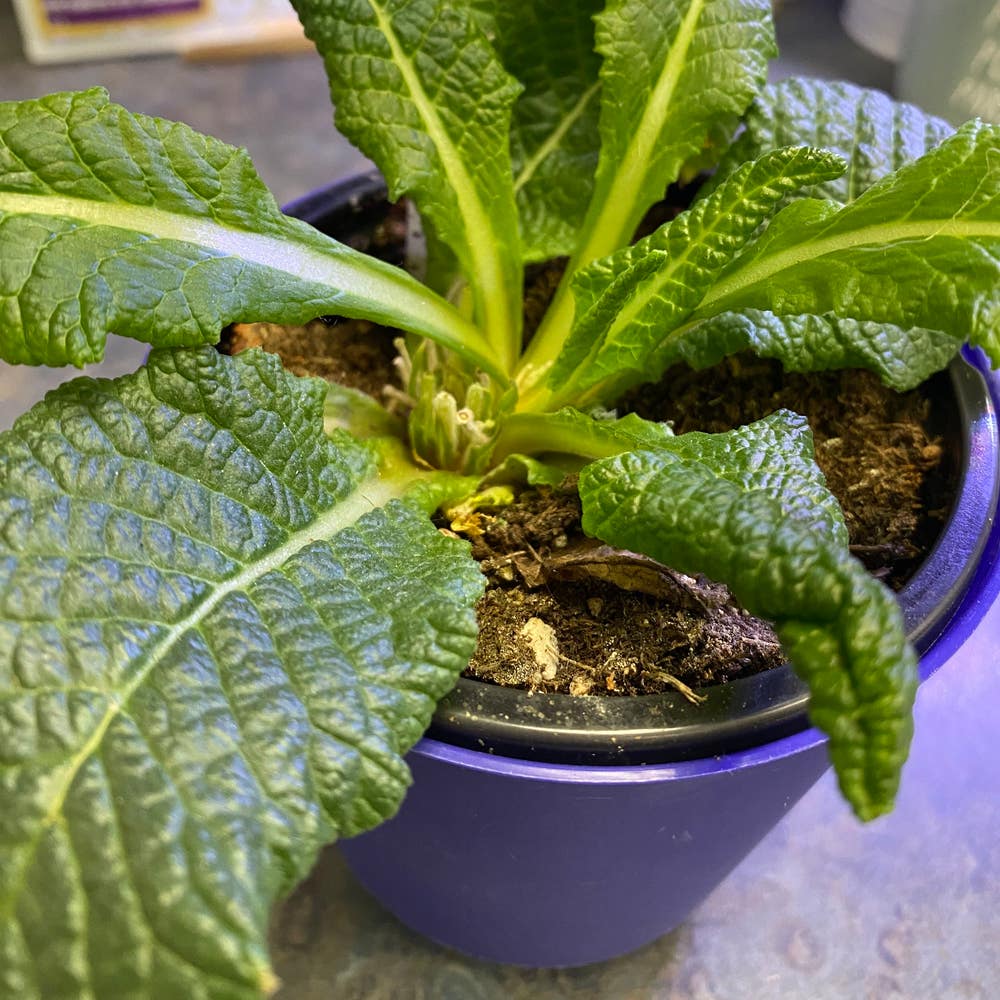
🌼 What to Do About Yellow Leaves on Your Primula
Primula chionantha subsp. sinopurpurea
By the Greg Editorial Team
Nov 22, 2024•3 min read
This article was created with the help of AI so we can cover more plants for you. May contain errors. See one? Report it here.
Revive your Primula's vibrant color 🌼 with these simple tips to combat yellow leaves and ensure healthy growth!
- 🌱 Yellow leaves indicate watering, nutrient, pest, or light issues needing attention.
- 💧 Establish a consistent watering schedule to prevent yellowing and maintain health.
- 🐛 Regular inspections for pests and diseases help catch problems early and protect your Primula.
Solutions for Yellow Leaves
Yellow leaves on your Primula can be a sign of various issues, but don’t worry! There are several effective solutions to restore your plant's health.
💧 Adjusting Watering Practices
First, assess your current watering frequency. Are you watering too often or not enough?
Next, check the soil moisture. Use your finger or a moisture meter to gauge how dry or wet the soil is.
Finally, establish a consistent watering schedule. This will help your Primula thrive and prevent further yellowing.
🌱 Fertilizing for Nutrient Deficiencies
Identifying specific nutrient deficiencies is crucial. Yellowing leaves can often indicate a lack of Nitrogen or Iron.
Once you know the deficiency, choose the appropriate fertilizer type. Look for a balanced fertilizer or one specifically designed for your plant's needs.
Be sure to apply according to package instructions. Over-fertilizing can do more harm than good.
🐛 Treating Pests and Diseases
Start by identifying the type of pest or disease affecting your Primula. Common culprits include aphids and fungal infections.
After identification, select the appropriate treatment method. This could range from insecticidal soap to fungicides.
Monitor your plant's response closely. If symptoms persist, reapply the treatment as necessary.
☀️ Improving Light Conditions
Consider relocating your Primula to a brighter area with indirect sunlight. This can significantly enhance its growth and color.
If direct sunlight is too harsh, use sheer curtains to diffuse the light. This will protect your plant while still providing adequate brightness.
✂️ Pruning Affected Leaves
Begin by identifying which leaves to prune. Focus on those that are severely yellowed or damaged.
Use clean, sharp scissors for the best results. This minimizes stress on the plant and prevents disease spread.
Finally, dispose of the pruned leaves properly. This step is essential to prevent any potential disease from affecting your other plants.
By implementing these solutions, you can help your Primula regain its vibrant color and health. Next, let’s explore how to prevent yellow leaves from becoming a recurring issue.
Preventing Yellow Leaves
🌱 Best Practices for Primula Care
To keep your Primula vibrant, establish a regular watering and fertilization schedule. Consistency is key; ensure your plant receives the right nutrients and moisture to thrive.
Using well-draining soil is crucial for preventing waterlogged roots, which can lead to yellowing leaves. A mix that allows excess water to escape will help maintain healthy roots.
🌦️ Seasonal Care Tips
Adjust your watering frequency with the changing seasons. During warmer months, your Primula may need more water, while in cooler months, you can reduce it.
Additionally, protect your plants from frost in colder months. A simple cover or moving them indoors can make a significant difference.
🌍 Soil and Potting Recommendations
Opt for rich soil with a slightly acidic to neutral pH for optimal growth. This type of soil supports nutrient uptake and overall plant health.
Repotting every 1-2 years refreshes the soil and provides your Primula with new nutrients. This practice also prevents root crowding, which can lead to stress and yellow leaves.
🕵️♂️ Regular Monitoring for Pests and Diseases
Conduct weekly inspections of your Primula for early signs of pests or diseases. Catching issues early can save your plant from significant damage.
Implement preventive measures as needed, such as using organic pesticides or adjusting care routines. Staying proactive ensures your Primula remains healthy and vibrant.
By following these best practices, you can significantly reduce the chances of yellow leaves on your Primula. A little care goes a long way in keeping your plants happy and thriving.
⚠️ Safety First
This content is for general information and may contain errors, omissions, or outdated details. It is not medical, veterinary advice, or an endorsement of therapeutic claims.
Always consult a qualified healthcare professional before using any plant as food, medicine, or supplement.
Never eat any plant (or feed one to pets) without confirming its identity with at least two trusted sources.
If you suspect poisoning, call Poison Control (800) 222-1222, the Pet Poison Helpline (800) 213-6680, or your local emergency service immediately.
Spotted an error? Please report it here.
Keep your Primula thriving 🌼 by using Greg's tailored care reminders to master watering, nutrients, and light for vibrant leaves all year round!