🌸 Primula Is a Garden Plant, Not a Weed
Primula chionantha subsp. sinopurpurea
By the Greg Editorial Team
Nov 22, 2024•6 min read
This article was created with the help of AI so we can cover more plants for you. May contain errors. See one? Report it here.
Transform your garden with Primula's beauty 🌼 while nurturing local ecosystems without the risk of invasiveness!
- 🌼 Primula is a non-invasive garden plant, ideal for controlled growth and beauty.
- 🐝 Attracts pollinators like bees and butterflies, enhancing garden biodiversity.
- 🌱 Supports sustainable gardening practices, contributing positively to local ecosystems.
Plant Classification
🌱 Definition of Invasive Plants
Invasive plants are species that spread aggressively beyond their native habitats, often causing disruption to local ecosystems. These plants are characterized by rapid growth, high reproductive rates, and a knack for outcompeting native flora.
🌼 Characteristics of Primula that Prevent it from Being Invasive
Primula species stand out for their controlled growth patterns, thriving in specific conditions without overwhelming their surroundings. Their natural clumping growth habit limits their spread, as they do not develop extensive root systems or engage in aggressive seed dispersal.
Primula prefers moist, well-drained soil and partial shade, which further restricts its growth to suitable environments. This preference ensures that Primula remains a manageable and aesthetically pleasing addition to gardens, rather than a troublesome invader.
With these characteristics, Primula not only enhances garden beauty but also supports local ecosystems without posing a threat. As we explore its growth habits next, we’ll see how these traits contribute to its role in garden design.
Growth Habits
🌱 Typical Growth Patterns of Primula
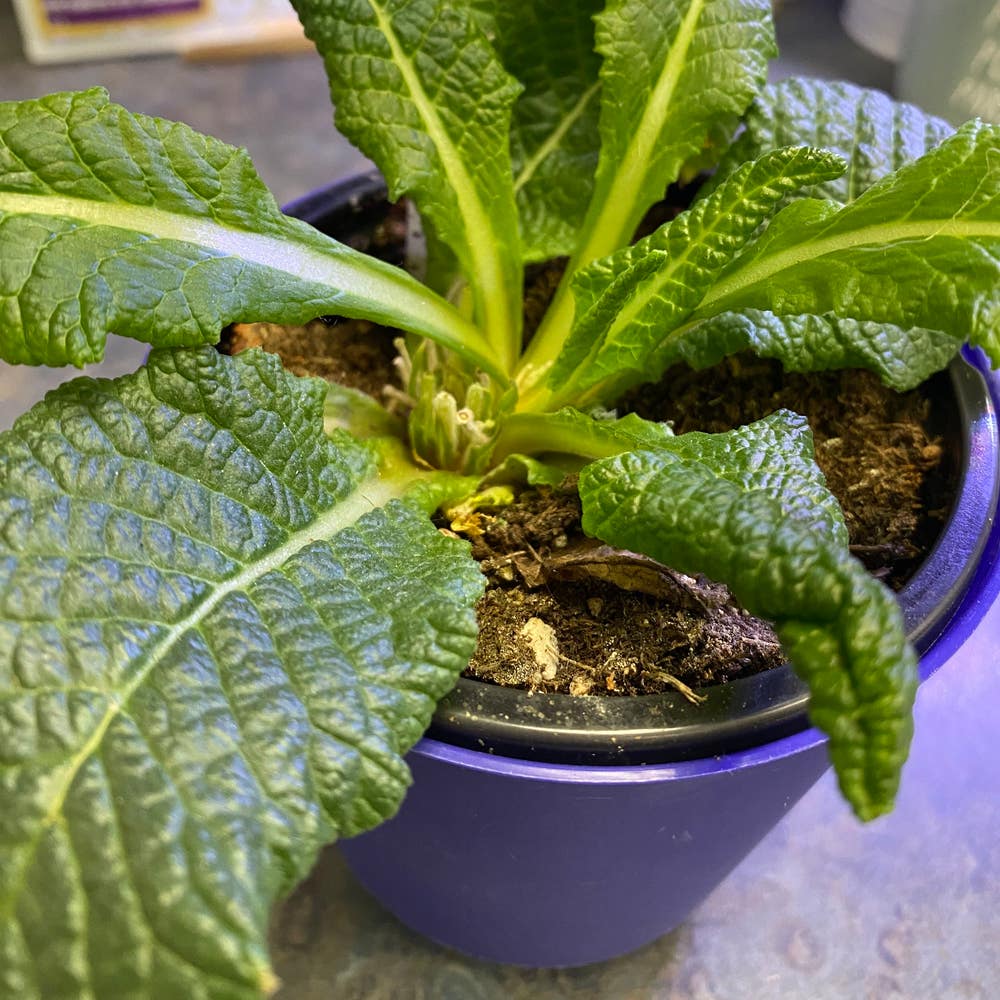
Primula plants are known for their charming clumps of leaves that form a rosette shape. In spring, they burst into a stunning display of colorful flowers, attracting a variety of pollinators.
These blooms can last several weeks, depending on the specific species and environmental conditions. This vibrant flowering not only enhances garden aesthetics but also supports local wildlife.
🌿 Natural Limits to Primula's Growth and Spread Potential
Primula thrives in moist, shaded areas, which naturally restricts its growth in drier or sunnier spots. This preference helps maintain a balanced garden environment, preventing it from becoming overly aggressive.
The plant's growth is also influenced by soil quality and moisture levels. Additionally, competition with other plants ensures that Primula remains manageable, making it an ideal choice for garden settings.
Incorporating Primula into your garden design can enhance both beauty and biodiversity. As we explore its ecological role next, you'll see how this plant contributes positively to its surroundings.
Ecological Role
Benefits of Primula in Gardens and Ecosystems 🌼
Primula is more than just a pretty face in the garden; it plays a crucial role in supporting local ecosystems. These plants are a vital food source for pollinators like bees and butterflies, enhancing biodiversity and ensuring a thriving garden environment.
Their vibrant flowers add a splash of color to landscapes, making them a popular choice for spring gardens. This aesthetic appeal not only beautifies your space but also attracts beneficial wildlife, creating a lively atmosphere.
Positive Interactions with Local Wildlife 🐝
Primula is a magnet for beneficial insects, which helps promote pollination. This interaction supports local ecosystems, ensuring that plants can reproduce and thrive.
Additionally, Primula provides habitat and shelter for small wildlife, contributing to a balanced garden environment. By incorporating these plants into your garden, you're not just enhancing its beauty; you're also fostering a welcoming space for nature.
As we explore how to effectively manage and incorporate Primula into garden designs, remember that these plants are allies in promoting biodiversity and ecological health.
Garden Management
Effective Methods for Incorporating Primula into Garden Designs 🌼
To make the most of Primula's vibrant colors, plant them in clusters. This approach creates stunning displays in shaded areas or woodland gardens, where their beauty can truly shine.
Pairing Primula with other perennial flowers that thrive in similar conditions adds diversity to your garden. This combination not only enhances visual appeal but also promotes a harmonious ecosystem.
Considerations for Controlling Primula's Growth for Aesthetics ✂️
Regular deadheading of spent flowers is essential for encouraging prolonged blooming. This simple task keeps your garden looking tidy and vibrant throughout the season.
Keep an eye on growth and remove any unwanted seedlings. This proactive measure prevents overcrowding, ensuring that your Primula remains a charming feature in your garden without overwhelming other plants.
Incorporating these practices will help you enjoy the beauty of Primula while maintaining a well-managed garden. As you explore these methods, consider how they can enhance your overall garden design and contribute to a thriving ecosystem.
Comparison to Other Plants
Comparison of Primula to Similar Non-Invasive Plants 🌼
Primula stands out among non-invasive perennials like Heuchera and Tiarella, which also thrive in shaded environments. While Heuchera offers stunning foliage and Tiarella boasts delicate blooms, Primula captivates with its vibrant color range and ability to attract a variety of pollinators.
This diversity in color not only enhances the visual appeal of gardens but also supports local ecosystems by providing essential resources for bees and butterflies. Primula's unique charm lies in its adaptability and the role it plays in fostering biodiversity.
Unique Qualities and Benefits of Primula in Garden Settings 🌱
Beyond its aesthetic appeal, Primula has a rich historical significance in traditional medicine, often symbolizing renewal and growth. This connection to heritage adds depth to its presence in gardens, making it more than just a pretty flower.
Moreover, Primula is a wildlife-friendly plant, creating habitats for beneficial insects and small wildlife. By incorporating Primula into your garden, you contribute to a balanced ecosystem while enjoying its beauty and ecological benefits.
As we explore the legal and environmental considerations surrounding Primula, it's essential to recognize its role in sustainable gardening practices.
Legal and Environmental Considerations
🌱 Relevant Classifications or Guidelines for Planting Primula
When considering planting Primula, it's essential to be aware of local regulations that may affect your gardening choices. Many regions have guidelines to ensure that non-invasive plants like Primula are cultivated responsibly, preventing any potential ecological disruption.
Sourcing Primula from reputable nurseries is crucial. This practice helps avoid introducing invasive look-alikes that could threaten local ecosystems. Always check for certifications or labels that confirm the plant's non-invasive status.
🌍 Primula's Role in Sustainable Gardening Practices
Primula stands out as a sustainable gardening choice, thanks to its non-invasive nature and ecological benefits. By incorporating Primula into your garden, you support biodiversity and contribute positively to your local environment.
Encouraging the use of Primula in garden designs aligns with broader strategies for enhancing ecosystem health. This plant not only beautifies spaces but also fosters a thriving habitat for pollinators and other wildlife, making it a win-win for gardeners and nature alike.
As you plan your garden, think of Primula as a vibrant ally in your quest for a sustainable and inviting landscape.
⚠️ Safety First
This content is for general information and may contain errors, omissions, or outdated details. It is not medical, veterinary advice, or an endorsement of therapeutic claims.
Always consult a qualified healthcare professional before using any plant as food, medicine, or supplement.
Never eat any plant (or feed one to pets) without confirming its identity with at least two trusted sources.
If you suspect poisoning, call Poison Control (800) 222-1222, the Pet Poison Helpline (800) 213-6680, or your local emergency service immediately.
Spotted an error? Please report it here.
Enhance your garden's beauty and biodiversity 🌼 with Primula, and let Greg guide you with personalized care tips to ensure your plants thrive effortlessly!