Getting Your Primula to Bloom 🌸
Primula chionantha subsp. sinopurpurea
By the Greg Editorial Team
Nov 22, 2024•5 min read
This article was created with the help of AI so we can cover more plants for you. May contain errors. See one? Report it here.
Discover how to cultivate stunning Primula blooms 🌸 and unlock the beauty of your garden with expert care tips!
- 🌼 Primula blooms in early spring, lasting 2-4 weeks with proper care.
- 🌞 Ensure adequate sunlight and moist soil to encourage vibrant flower production.
- 🌱 Younger plants need time to mature before they can produce beautiful blooms.
Flowering Status of Primula
🌸 Clarification on Flower Production
Primula is indeed a flowering plant, celebrated for its vibrant colors and captivating flower structures. However, it's not uncommon for some species to remain flowerless under specific conditions, which can lead to confusion about their blooming capabilities.
🚫 Reasons for Non-Flowering
Several factors can contribute to a lack of flowers on your Primula.
🌞 Environmental Factors
Insufficient light, poor soil conditions, or inappropriate temperatures can inhibit flowering.
🌱 Plant Age
Younger plants often need time to mature before they can produce blooms.
🌿 Varietal Differences
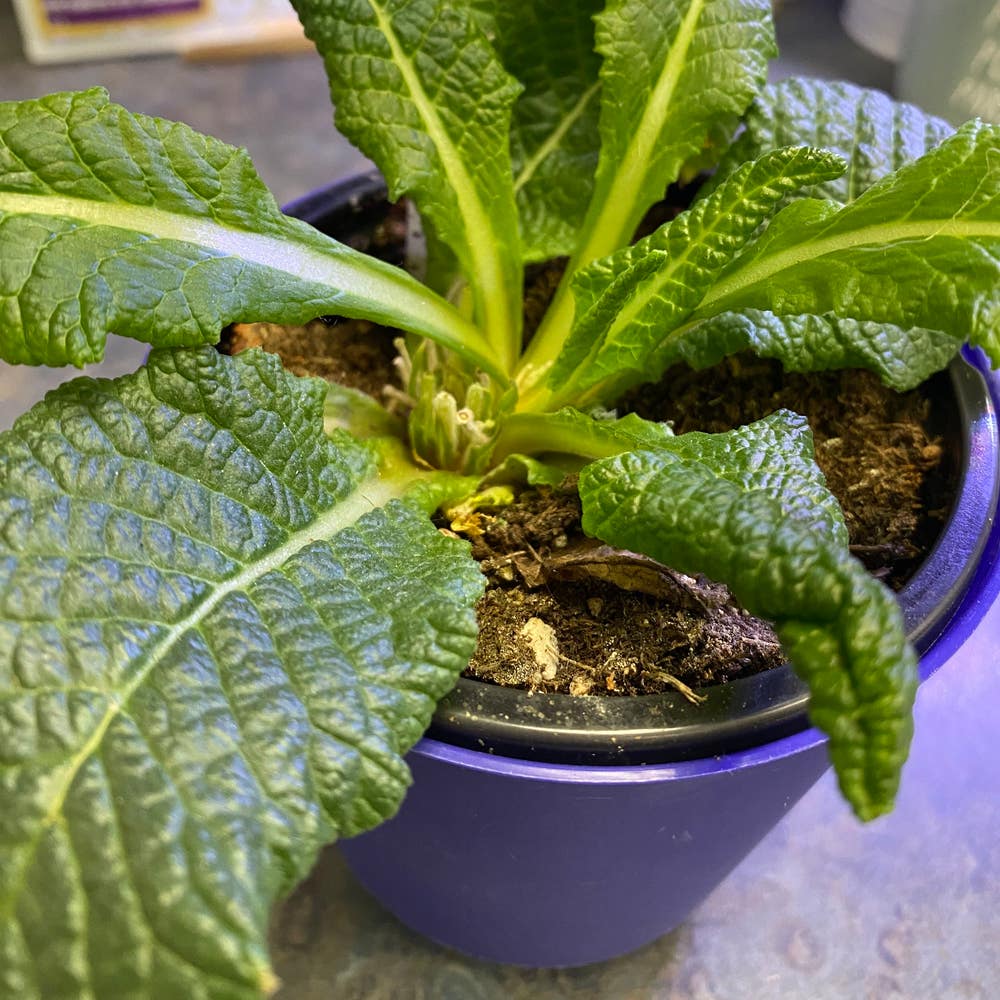
Additionally, some Primula varieties are cultivated primarily for their foliage rather than their flowers, which can also affect flowering expectations.
Understanding these aspects can help you better care for your Primula and encourage those beautiful blooms. Next, we’ll explore the stunning characteristics of Primula flowers.
Flower Characteristics
Description of Flower Colors and Structure 🌈
Primula flowers are a visual delight, showcasing a vibrant palette that includes white, yellow, pink, purple, and blue. Each flower often features intricate patterns, making them a favorite among gardeners and nature lovers alike.
The structure of Primula blooms typically consists of a cluster of flowers arranged on a flower spike. Each flower has five distinct petals surrounding a central eye, creating a charming and eye-catching display.
Self-Pollination vs. External Pollination 🐝
An interesting aspect of Primula is its reproductive strategy. Some species are self-pollinating, meaning they can produce seeds without needing help from external pollinators.
On the other hand, certain Primula varieties rely on cross-pollination, which is often facilitated by insects or wind. This diversity in pollination methods allows Primula to thrive in various environments, ensuring their survival and continued blooming.
As we explore the blooming process in the next section, you'll discover how these beautiful flowers transition from budding to full bloom.
Blooming Process
🌱 Blooming Stages
The blooming process of Primula unfolds in three distinct stages.
Bud formation marks the initial stage, where flower buds begin to develop, setting the stage for the vibrant display to come.
Next is the opening stage, where the buds gradually unfurl, revealing the stunning flowers within.
Finally, we reach full bloom, when the flowers showcase their peak beauty, displaying their rich colors and intricate structures.
⏳ Typical Bloom Time and Duration
Primula typically bursts into bloom in early spring, bringing a splash of color to gardens.
From bud formation to full bloom, the process takes about 4-6 weeks.
Once in bloom, the flowers generally last 2-4 weeks, depending on how well they are cared for and the environmental conditions they face.
Understanding these stages and timelines can help you appreciate the beauty of Primula and ensure you provide the right care for optimal blooming.
As we explore how to encourage these blooms, consider the factors that influence their flowering potential.
Encouraging Blooms
Tips for Encouraging Primula to Bloom 🌸
To coax your Primula into a vibrant display of blooms, start by ensuring it receives adequate sunlight. These plants thrive in bright, indirect light, which helps them flourish.
Next, focus on watering. Keep the soil consistently moist but avoid waterlogging, as too much moisture can lead to root rot.
Fertilization is also key. During the growing season, use a balanced fertilizer to provide the nutrients necessary for blooming. This simple step can make a significant difference in flower production.
Factors Influencing Flowering 🌡️
Temperature plays a crucial role in the blooming process. Primula prefers cooler conditions, ideally between 15°C to 20°C (59°F to 68°F).
Soil quality is another important factor. Well-draining, fertile soil enhances the blooming potential of your Primula, ensuring it has the right environment to thrive.
By paying attention to these tips and factors, you can create the perfect conditions for your Primula to bloom beautifully. This will not only enhance your garden but also provide you with a sense of accomplishment as you witness the vibrant colors come to life.
As you nurture your Primula, remember that post-flowering care is just as important for maintaining its health and vigor.
Post-Flowering Care
🌼 What Happens After the Flowering Period
After your Primula has dazzled you with its blooms, it may enter a period of dormancy. During this time, growth slows significantly, allowing the plant to conserve energy for future seasons.
Deadheading is an important practice during this phase. By removing spent flowers, you can encourage some varieties to produce additional blooms, extending their vibrant display.
🤔 Discussion on Whether Primula Dies After Flowering
The good news is that most Primula species do not die after flowering. However, if not properly cared for post-bloom, some may show a decline in vigor, impacting their health and blooming potential in the next cycle.
By understanding these post-flowering care tips, you can help your Primula thrive and prepare for its next blooming season. This knowledge sets the stage for exploring the unique aspects of Primula, including its fascinating characteristics and reproductive strategies.
Unique Aspects of Primula
🌸 Unusual Characteristics Related to Flowering
Primula species are fascinating for their prolonged blooming periods. This trait allows them to provide vibrant color in gardens for an extended time, making them a favorite among gardeners.
Additionally, some varieties boast unique leaf shapes and textures. These characteristics add ornamental value, ensuring that even when not in bloom, Primula remains visually appealing.
🐝 Interesting Facts About Primula's Reproductive Strategy
One remarkable aspect of Primula is its ability to self-pollinate. This adaptation enables the plant to thrive in environments where pollinators may be scarce, ensuring its survival and reproduction.
Moreover, Primula's life cycle includes a dormancy phase. This period can significantly influence its growth and flowering in the following seasons, making care during dormancy crucial for future blooms.
As you explore the unique traits of Primula, consider how these characteristics contribute to its charm and resilience. Understanding these aspects can enhance your gardening experience and appreciation for this beautiful plant.
⚠️ Safety First
This content is for general information and may contain errors, omissions, or outdated details. It is not medical, veterinary advice, or an endorsement of therapeutic claims.
Always consult a qualified healthcare professional before using any plant as food, medicine, or supplement.
Never eat any plant (or feed one to pets) without confirming its identity with at least two trusted sources.
If you suspect poisoning, call Poison Control (800) 222-1222, the Pet Poison Helpline (800) 213-6680, or your local emergency service immediately.
Spotted an error? Please report it here.
Get your Primula to bloom brilliantly 🌸 by using Greg's personalized watering alerts and fertilization tips to create the perfect environment for vibrant flowers!