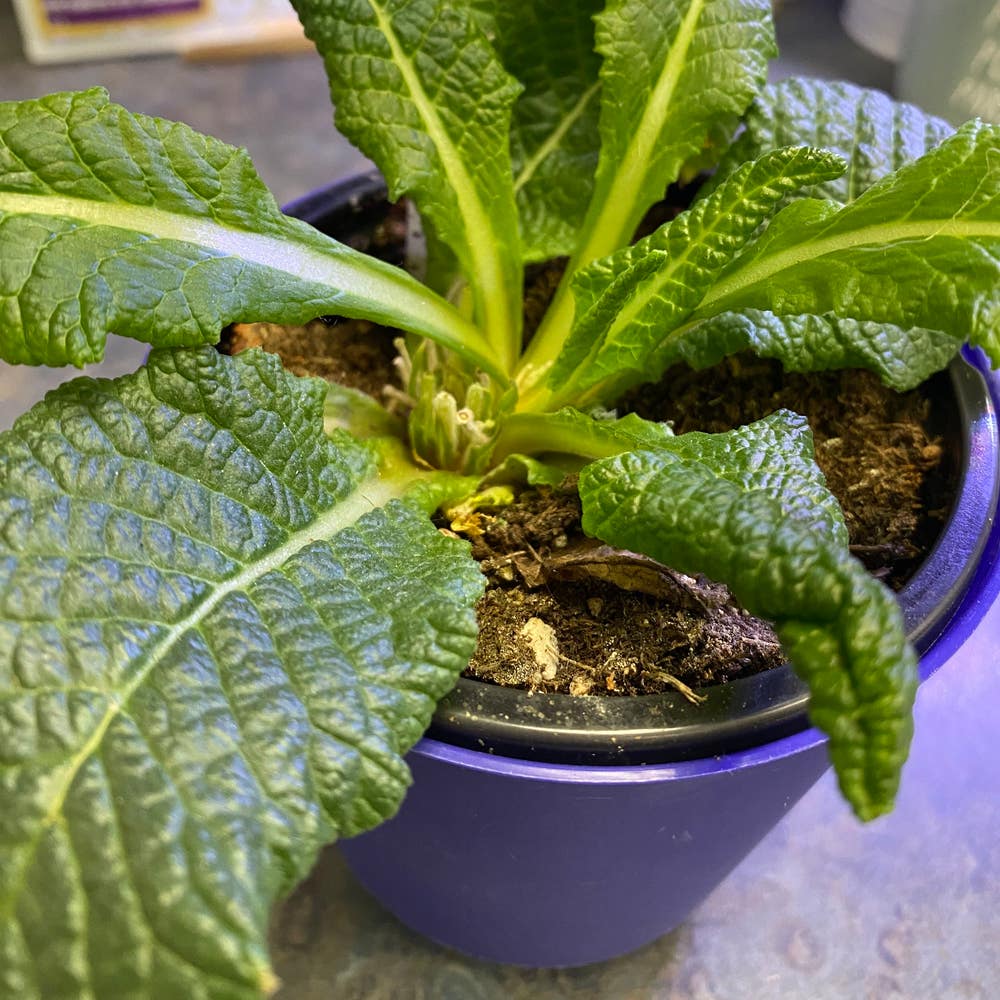
Best Size and Type of Pot for Primula 🌸
Primula chionantha subsp. sinopurpurea
By the Greg Editorial Team
Nov 22, 2024•6 min read
This article was created with the help of AI so we can cover more plants for you. May contain errors. See one? Report it here.
Master pot size and drainage for vibrant Primula blooms 🌼 and watch your plants thrive like never before!
- 🌱 Pot size impacts Primula growth; choose wisely for optimal health.
- 💧 Proper drainage is essential; ensure pots have 3-5 holes to prevent root rot.
- 🪴 Ideal pot sizes: 3-4 inches for seedlings, 6-10 inches for mature plants.
Pot Size for Primula
🌱 Effects of Pot Size on Growth
The size of the pot plays a crucial role in the growth of Primula. It directly impacts root development and overall plant health.
Smaller pots can restrict root growth, leading to stunted plants that struggle to thrive. Conversely, larger pots may retain excess moisture, increasing the risk of root rot, which can be detrimental to your Primula.
📏 Recommended Pot Sizes for Different Growth Stages
When it comes to seedlings, a pot size of 3-4 inches in diameter is ideal. This size allows for adequate root space while maintaining the necessary moisture levels.
For mature plants, a pot size of 6-8 inches in diameter is recommended for standard varieties. Larger varieties may require pots up to 10 inches in diameter to accommodate their growth.
Transitioning pot sizes is essential as your Primula grows. Move to a larger pot when roots begin to show through the drainage holes. A general guideline is to increase the pot size by 2 inches in diameter for each growth stage, ensuring your plant has the space it needs to flourish.
This careful attention to pot size will set your Primula up for success, leading to vibrant blooms and healthy foliage. Next, let’s explore the ideal pot materials that can further enhance your Primula's growth.
Ideal Pot Materials
🌱 Comparison of Pot Materials
When choosing the right pot for your Primula, the material plays a crucial role.
Clay Pots
Clay pots are celebrated for their excellent breathability and moisture regulation. However, they come with a couple of downsides: they are heavier and can dry out quickly, which may not be ideal for all environments.
Plastic Pots
On the other hand, plastic pots are lightweight and retain moisture longer, making them less prone to breakage. The trade-off is that they are less breathable, which can lead to root rot if drainage isn’t managed properly.
Biodegradable Pots
Biodegradable pots offer an eco-friendly alternative, allowing you to plant them directly into the ground. Yet, they may not provide the long-term support needed for larger plants, so consider their limitations.
🌿 How Pot Material Affects Health
The choice of pot material significantly impacts your Primula's health.
Moisture Retention
Clay pots promote evaporation, which can be beneficial in humid environments. Conversely, plastic pots retain moisture, making them advantageous in drier conditions.
Temperature Regulation
Clay pots can help keep roots cooler during hot weather, providing a more stable environment for growth. In contrast, plastic pots may heat up more quickly, potentially affecting root health negatively.
Understanding these differences can help you make an informed decision about the best pot material for your Primula. With the right pot, you can foster a thriving plant that brings joy to your space.
Next, let’s explore the importance of drainage considerations to ensure your Primula stays healthy and vibrant.
Drainage Considerations
🌊 Importance of Drainage Holes
Proper drainage is crucial for the health of your Primula. Without adequate drainage holes, water can accumulate at the bottom of the pot, leading to root rot.
To prevent this, ensure your pot has at least 3-5 drainage holes. This simple step can save your plants from serious damage.
🚰 Ensuring Proper Drainage
Using a well-draining potting mix is essential for Primula. Look for mixes specifically formulated for these plants to promote healthy growth.
Additionally, consider adding a layer of gravel or perlite at the bottom of the pot. This enhances drainage and helps prevent water from sitting around the roots.
⚠️ Signs of Poor Drainage
Keep an eye out for yellowing leaves and wilting, even when you've watered adequately. These are often signs that your Primula is struggling with drainage issues.
Root rot is another serious concern. Symptoms include mushy roots and a foul smell emanating from the soil. If you notice these signs, it’s time to take action.
Understanding drainage is key to nurturing your Primula effectively. By ensuring proper drainage, you set the stage for vibrant, healthy plants that thrive in their environment.
Next, let’s explore the process of repotting your Primula to keep it growing strong.
Repotting Primula
🕒 When to Repot
Repotting your Primula is essential for its health and growth. Look for signs like roots growing out of drainage holes or soil that dries out too quickly or retains too much moisture.
🪴 Choosing the Right Pot When Repotting
When selecting a new pot, choose one that is 2 inches larger in diameter than the current pot. Ensure it has adequate drainage holes to prevent water accumulation.
📋 Step-by-Step Guide to Repotting
Follow these steps for a successful repotting experience:
- Prepare the new pot with fresh potting soil.
- Gently remove the Primula from its current pot, taking care not to damage the roots.
- Inspect the roots for signs of rot and trim any damaged areas.
- Place the Primula in the new pot, ensuring it is centered and at the same soil level as before.
- Fill in around the roots with fresh potting soil, pressing lightly to eliminate air pockets.
- Water thoroughly to help settle the soil and eliminate any remaining air pockets.
Repotting can seem daunting, but with the right approach, it can be a rewarding experience for both you and your Primula. Next, let’s explore common mistakes and solutions to ensure your plant thrives.
Common Mistakes and Solutions
🪴 Overpotting vs. Underpotting
Overpotting can be a sneaky trap for many plant enthusiasts. When you choose a pot that's too large, excess soil retains too much moisture, which can lead to root rot.
To avoid this, select a pot that is only slightly larger than the current one. This way, your Primula has enough room to grow without drowning in soggy soil.
On the flip side, underpotting is equally problematic. A pot that's too small restricts root growth and can lead to nutrient deficiencies, stunting your plant's development.
Keep an eye on your Primula's roots. If they start to outgrow their space, it’s time to repot into a larger container.
🧙♂️ Misconceptions About Pot Materials
There are plenty of myths floating around about pot materials that can mislead even seasoned gardeners. One common misconception is that all plastic pots are detrimental to plant health.
In reality, quality plastic pots can provide adequate drainage and moisture retention. They’re lightweight and often more affordable, making them a practical choice for many.
Another myth is that clay pots are always the best option. While they have their benefits, such as breathability, they may not suit every environment or care routine.
Consider your specific conditions before making a decision on pot materials.
🛠️ Troubleshooting Pot-Related Issues
Sometimes, despite our best efforts, issues arise. If you notice yellowing leaves on your Primula, it’s a sign to check for overwatering and ensure proper drainage.
Stunted growth can also be a red flag. Assess the pot size and consider repotting if your plant seems cramped.
If root rot strikes, act quickly. Remove any affected roots and repot your Primula in fresh, well-draining soil to give it a fighting chance.
By being aware of these common mistakes and solutions, you can help your Primula thrive and flourish. Next, let’s explore the essential drainage considerations to keep your plants healthy.
⚠️ Safety First
This content is for general information and may contain errors, omissions, or outdated details. It is not medical, veterinary advice, or an endorsement of therapeutic claims.
Always consult a qualified healthcare professional before using any plant as food, medicine, or supplement.
Never eat any plant (or feed one to pets) without confirming its identity with at least two trusted sources.
If you suspect poisoning, call Poison Control (800) 222-1222, the Pet Poison Helpline (800) 213-6680, or your local emergency service immediately.
Spotted an error? Please report it here.
Get your Primula thriving in the perfect pot 🪴 by using Greg's tailored reminders and expert tips to choose the right size and material for optimal growth!