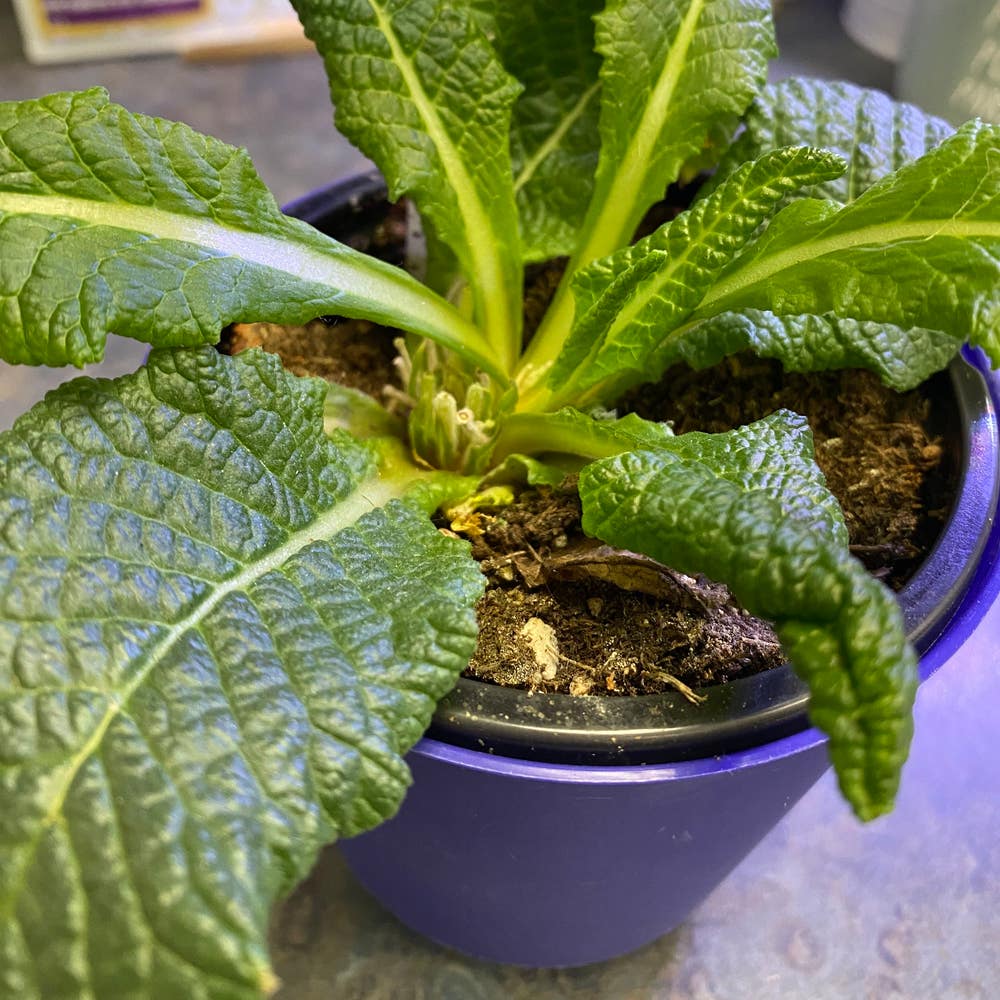
Ultimate Guide to Fixing Brown Spots on Primula 🌸
Primula chionantha subsp. sinopurpurea
By the Greg Editorial Team
Nov 22, 2024•4 min read
This article was created with the help of AI so we can cover more plants for you. May contain errors. See one? Report it here.
Transform your Primula's health 🌱 by learning to diagnose and treat brown spots for vibrant blooms all year round!
- 🌞 Primula needs partial shade to prevent leaf scorch and brown spots.
- 💧 Humidity levels of 40-60% are crucial for healthy Primula growth.
- 🐛 Check for pests like aphids and spider mites to avoid significant damage.
Diagnosing the Problem
🌱 Assessing Environmental Factors
To keep your Primula thriving, understanding its environmental needs is crucial. These plants flourish in partial shade, making it essential to avoid direct sunlight that can scorch their leaves.
Humidity plays a significant role in their health. Aim for a moderate humidity level between 40-60% to prevent stress and promote vibrant growth.
Temperature is another key factor. Primula grows best in a range of 10°C to 20°C (50°F to 68°F), so ensure they are not exposed to extreme heat or cold.
🐛 Checking for Pests
Pests can wreak havoc on your Primula, so it's vital to check for signs of infestation. Look for sticky residue on leaves, which indicates the presence of aphids, often accompanied by curled leaves.
Spider mites are another common issue. Their telltale signs include webbing on the plant and speckled leaves, which can lead to further damage if not addressed promptly.
🍄 Identifying Fungal Infections
Fungal infections can also cause brown spots on Primula. One common culprit is powdery mildew, identifiable by a white powdery coating on the leaves.
Leaf spot diseases present as dark, water-soaked spots that can expand over time. Recognizing these symptoms early can help you take action before the problem worsens.
By thoroughly assessing these factors, you can pinpoint the cause of brown spots and take the necessary steps to restore your Primula to its full glory. Next, let’s explore effective treatment options to tackle these issues head-on.
Treatment Options
Step-by-step guide to treating brown spots 🌱
Treating brown spots on your Primula starts with identifying the cause. This could be due to pests, fungal issues, or environmental stressors.
Once you've pinpointed the issue, remove any affected leaves. This helps prevent the spread of disease or pests to healthy parts of the plant.
Next, adjust your watering schedule based on the soil's moisture levels. Overwatering or underwatering can exacerbate brown spots.
Finally, improve air circulation around your Primula. Good airflow reduces humidity around the leaves, which can help prevent fungal infections.
Recommended fungicides and pesticides for Primula 🧪
When it comes to treating fungal infections, systemic fungicides are effective chemical options. They work from within the plant to combat the infection.
For those who prefer organic solutions, neem oil is a fantastic choice. It not only controls pests but also helps prevent fungal issues.
Natural remedies for brown spots on Primula 🌼
If you’re looking for homemade solutions, consider a baking soda spray. This simple mixture can effectively combat powdery mildew.
Insecticidal soap is another great natural remedy, particularly for aphid infestations. It’s gentle on your plants but tough on pests.
By following these treatment options, you can restore your Primula to its vibrant self. Next, let’s explore preventive measures to keep those brown spots at bay.
Preventive Measures
🌊 Best Practices for Watering Primula
Watering Primula correctly is crucial for preventing brown spots. Allow the top inch of soil to dry out between waterings to avoid over-saturation.
To ensure you're hitting the right moisture levels, consider using moisture meters. These handy tools provide accurate readings, helping you maintain optimal soil conditions.
🌱 Ideal Soil Conditions for Primula
The right soil type is essential for healthy Primula growth. Aim for well-draining soil that is rich in organic matter to support robust root development.
Additionally, monitor the pH level of your soil. Primula thrives in slightly acidic to neutral conditions, ideally between 6.0 and 7.0.
🌿 Proper Fertilization Techniques to Promote Healthy Leaves
Fertilization plays a key role in keeping your Primula vibrant. A monthly fertilization schedule during the growing season will provide the nutrients your plants need.
For the best results, use a balanced NPK fertilizer, such as a 10-10-10 mix, or opt for organic options. This will help promote healthy leaves and overall plant vigor.
By following these preventive measures, you can significantly reduce the risk of brown spots on your Primula. Next, let’s explore treatment options to address any existing issues effectively.
⚠️ Safety First
This content is for general information and may contain errors, omissions, or outdated details. It is not medical, veterinary advice, or an endorsement of therapeutic claims.
Always consult a qualified healthcare professional before using any plant as food, medicine, or supplement.
Never eat any plant (or feed one to pets) without confirming its identity with at least two trusted sources.
If you suspect poisoning, call Poison Control (800) 222-1222, the Pet Poison Helpline (800) 213-6680, or your local emergency service immediately.
Spotted an error? Please report it here.
Combat brown spots on your Primula and boost its health 🌿 with Greg's tailored care reminders and expert tips that ensure your plant thrives in its ideal environment!