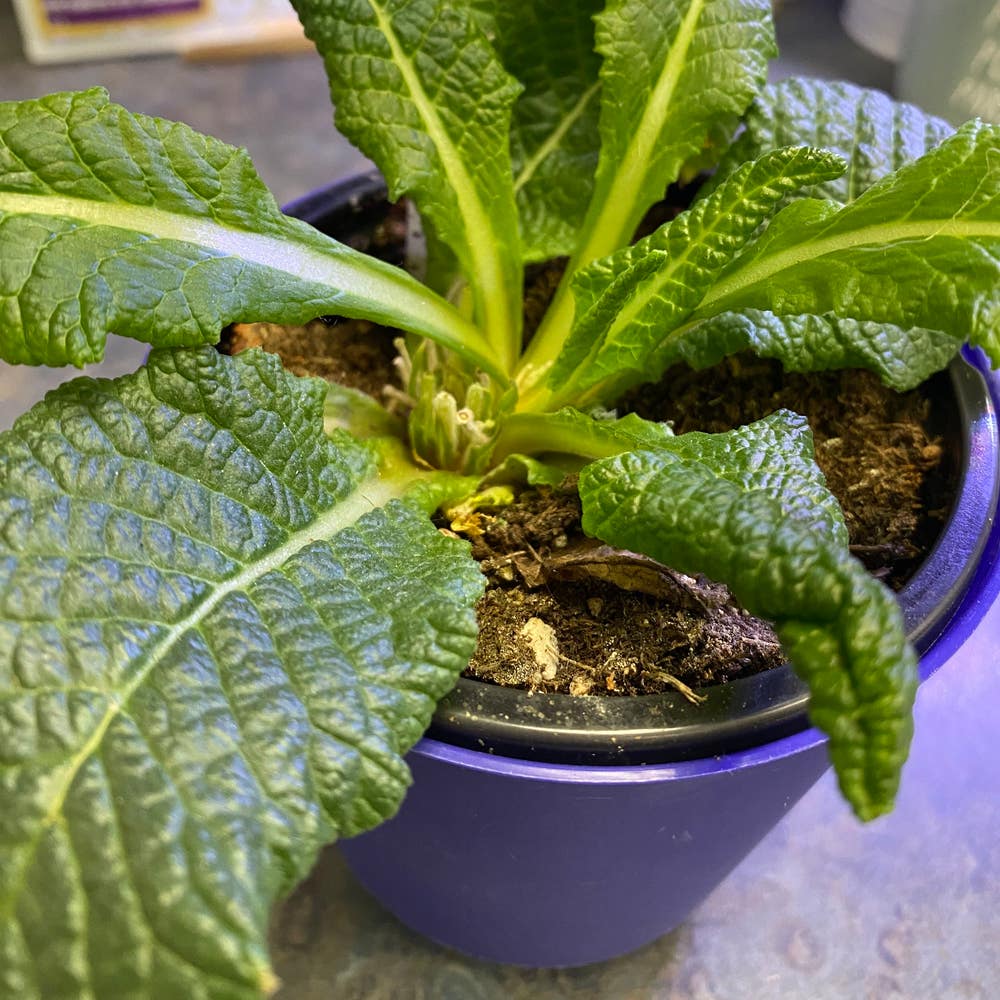
Determining What Might Be Eating Your Primula 🐞
Primula chionantha subsp. sinopurpurea
By the Greg Editorial Team
Nov 22, 2024•7 min read
This article was created with the help of AI so we can cover more plants for you. May contain errors. See one? Report it here.
Safeguard your Primula from pesky herbivores while nurturing a vibrant garden ecosystem! 🌼🦋
- 🦌 Deer and rabbits can severely damage Primula; look for hoof prints and clean cuts.
- 🐿️ Squirrels and groundhogs weaken plants; use fencing and repellents to deter them.
- 🌼 Pollinators like bees benefit Primula; attract them while managing harmful herbivores.
Common Herbivores Affecting Primula
🦌 Deer
Signs of Presence
Look for distinctive hoof prints in your garden soil, which indicate deer activity. Additionally, dark, pellet-like droppings near your Primula can confirm their presence.
Type of Damage Caused
Deer are notorious for browsing, stripping leaves and flowers from your plants. This can lead to stunted growth and overall decline in plant health.
Beneficial vs. Harmful Interaction
Interactions with deer are generally harmful. Overbrowsing can ultimately lead to the death of your Primula.
Deterrent Methods (difficulty: moderate)
To keep deer at bay, consider installing 8-foot tall fencing to prevent access. You can also use commercial deer repellents or homemade solutions, like garlic spray, to deter them.
🐇 Rabbits
Signs of Presence
Rabbits leave behind clean cuts on young shoots, indicating they’ve been munching. You might also find small, round droppings scattered around your plants.
Type of Damage Caused
These furry pests graze on leaves and flowers, which can significantly reduce the vigor of your Primula.
Beneficial vs. Harmful Interaction
Rabbits are generally harmful to your garden. Their feeding habits can severely damage young plants.
Deterrent Methods (difficulty: easy)
To protect your Primula, cover them with mesh netting to prevent rabbit access. Applying bitter-tasting sprays or using predator urine can also help keep them away.
🐿️ Squirrels
Signs of Presence
Squirrels often leave irregular holes in foliage from their chewing. You may also spot nests in nearby trees or shrubs.
Type of Damage Caused
These critters can strip bark from stems, weakening your plants and making them more susceptible to disease.
Beneficial vs. Harmful Interaction
Interactions with squirrels are generally harmful. Their activities can lead to plant stress and reduced growth.
Deterrent Methods (difficulty: moderate)
To deter squirrels, use reflective objects or noise-making devices as scare tactics. You can also set humane traps to relocate them.
🐦 Birds
Signs of Presence
Look for pecked flowers with damaged petals and missing blooms. Nesting activity in nearby shrubs can also signal bird presence.
Type of Damage Caused
Birds can cause flower damage, leading to a loss of blooms that affects pollination.
Beneficial vs. Harmful Interaction
Bird interactions are mixed. While some birds help with pollination, others can damage your flowers.
Deterrent Methods (difficulty: easy)
To keep birds away, place fake predators as decoys or hang shiny materials to deter them.
🐭 Rodents (Mice, Voles)
Signs of Presence
Rodents often create small burrows or trails in the soil. You might also find small, dark pellets near the base of your plants.
Type of Damage Caused
These pests gnaw on roots and stems, leading to significant plant decline.
Beneficial vs. Harmful Interaction
Rodents are generally harmful. Their feeding can severely impact the health of your Primula.
Deterrent Methods (difficulty: hard)
To manage rodents, set snap traps or live traps for removal. Encouraging natural predators like owls or hawks in your area can also help.
🦡 Groundhogs/Woodchucks
Signs of Presence
Look for large burrows near your garden beds and distinctive gnaw marks on stems and leaves.
Type of Damage Caused
Groundhogs can engage in extensive grazing, consuming entire plants and leading to significant loss.
Beneficial vs. Harmful Interaction
Interactions with groundhogs are generally harmful. They can cause serious damage to your garden plants.
Deterrent Methods (difficulty: moderate)
To deter groundhogs, install buried fencing to prevent burrowing. Using strong-smelling substances like castor oil can also act as an effective repellent.
Understanding these common herbivores and their impact on Primula is crucial for maintaining a healthy garden. With the right deterrent methods, you can protect your plants and encourage a thriving ecosystem. Next, let’s explore the beneficial animals that can enhance the health of your Primula.
Beneficial Animals and Ecosystem Role
Pollinators Attracted to Primula 🐝
Primula plants are a magnet for a variety of pollinators, including bees, butterflies, and hummingbirds. These creatures play a crucial role in the ecosystem by facilitating pollination, which is essential for the reproduction of many flowering plants.
Pollinators not only enhance the beauty of your garden but also contribute to biodiversity. By attracting these beneficial animals, you create a thriving environment that supports both your Primula and the wider ecosystem.
Role of Beneficial Insects in Pest Control 🐞
In addition to pollinators, beneficial insects like ladybugs and lacewings are vital for maintaining a healthy garden. These natural predators help control aphid populations, which can otherwise wreak havoc on your plants.
Maintaining a balanced ecosystem is key to sustainable gardening. By encouraging these helpful insects, you can reduce the need for chemical pesticides and promote a healthier environment for your Primula and other plants.
As you cultivate your garden, remember the importance of these beneficial animals. They not only enhance your garden's beauty but also contribute to its overall health and resilience.
General Strategies for Protecting Primula
🛡️ Preventive Measures
To keep your Primula thriving, start with strategic plant placement. Position them in less accessible areas of your garden to deter hungry herbivores.
Another effective tactic is companion planting. Pairing Primula with plants like marigolds can naturally repel herbivores, creating a protective barrier around your beloved blooms.
⚠️ Reactive Solutions
If damage occurs, don’t fret; you can take reactive solutions to help your plants recover. Begin by removing damaged parts to promote healthy growth and prevent further issues.
Additionally, consider using barriers such as row covers. These physical shields can protect your Primula from unwanted nibblers while allowing sunlight and rain to nourish them.
🌍 Balancing Ecosystem While Protecting Primula
Understanding the role of herbivores in the ecosystem is crucial. While they can pose a threat to your Primula, they also play a part in the natural balance.
Adopt strategies for coexistence by encouraging beneficial species. Attracting pollinators and natural predators can help manage harmful herbivores, creating a thriving garden environment that supports both your Primula and the ecosystem.
By implementing these strategies, you can protect your Primula while fostering a vibrant garden. Next, let’s explore the seasonal considerations that affect both plant growth and herbivore activity.
Seasonal Considerations
🌱 Seasonal Variations in Animal Attraction to Primula
As the seasons change, so does the activity of herbivores drawn to Primula. In spring, you'll notice a surge in herbivore activity as these animals emerge from winter dormancy, eager to munch on fresh foliage.
Summer marks the peak grazing times for many of these creatures. With longer days and abundant food sources, they can wreak havoc on your beloved Primula if you're not vigilant.
⏰ Timing of Plant Growth and Herbivore Activity
The growth cycle of Primula closely aligns with herbivore feeding habits. As Primula begins to flower, herbivores are often at their most active, seeking out the tender blooms for a snack.
Monitoring these seasonal changes is crucial for protecting your plants. By keeping an eye on both plant growth and animal behavior, you can better anticipate potential threats and take proactive measures to safeguard your garden.
Toxicity and Safety
🐾 Toxic Effects of Primula on Certain Animals
Primula plants can pose mild toxicity risks to some animals. While not lethal, ingestion may lead to digestive upset, which can be uncomfortable for pets and wildlife alike.
🌱 Implications for Garden Management
Understanding the toxicity of Primula is crucial for effective garden management. By knowing which animals might be deterred by these plants, you can make informed decisions about your garden's layout and plant selection.
This knowledge helps create a safer environment for pets while still enjoying the beauty of Primula. As you plan your garden, consider how these plants fit into the broader ecosystem, ensuring a balance between aesthetics and safety.
With this understanding, you can cultivate a thriving garden that attracts beneficial species while keeping potential threats at bay. Now, let's explore seasonal considerations that affect both Primula growth and herbivore activity.
⚠️ Safety First
This content is for general information and may contain errors, omissions, or outdated details. It is not medical, veterinary advice, or an endorsement of therapeutic claims.
Always consult a qualified healthcare professional before using any plant as food, medicine, or supplement.
Never eat any plant (or feed one to pets) without confirming its identity with at least two trusted sources.
If you suspect poisoning, call Poison Control (800) 222-1222, the Pet Poison Helpline (800) 213-6680, or your local emergency service immediately.
Spotted an error? Please report it here.
Keep your Primula thriving 🌼 by using Greg's tailored care tips and reminders to fend off pesky herbivores and ensure your garden flourishes!