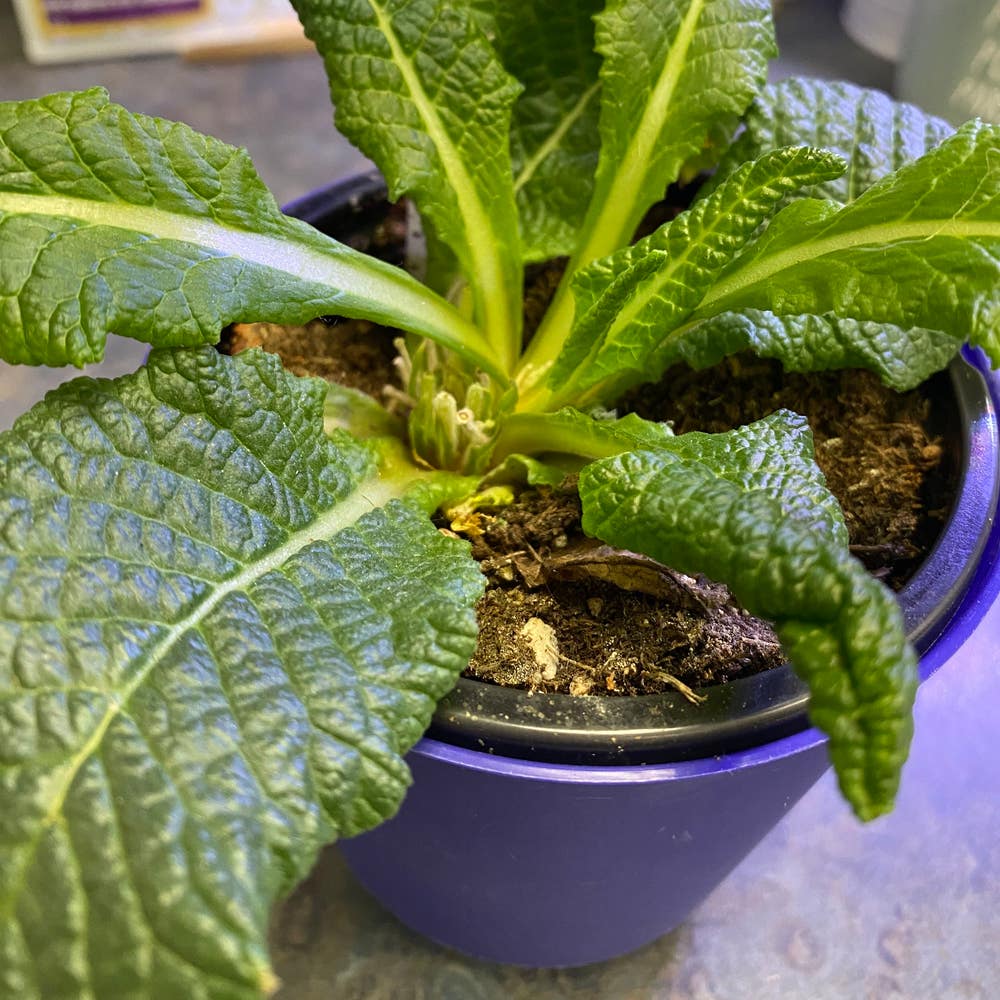
Managing Direct Sunlight for Your Primula ☀️
Primula chionantha subsp. sinopurpurea
By the Greg Editorial Team
Nov 22, 2024•4 min read
This article was created with the help of AI so we can cover more plants for you. May contain errors. See one? Report it here.
Unlock your Primula's full potential 🌱 by mastering the art of sunlight exposure for vibrant growth and health!
- 🌞 Direct sunlight harms Primula, causing leaf burn and wilting.
- 🌿 Primula thrives in cooler, shaded areas; avoid intense sunlight exposure.
- 🪴 Proper placement and monitoring ensure healthy growth for your Primula plants.
Definition of Direct Sunlight
👶 Explanation Suitable for Children
Direct sunlight is the light that comes straight from the sun without anything blocking it, like trees or buildings. Imagine standing outside on a sunny day with no shade around you; that’s direct sunlight!
🌳 Contrast with Indirect Sunlight
Indirect sunlight, on the other hand, is light that is softened or filtered. For example, when you sit under a tree, the sun's rays are blocked, and you feel a gentle light instead.
Understanding the difference between these two types of sunlight is essential for taking care of plants like Primula. Knowing when your plant is getting direct or indirect sunlight can help you keep it healthy and happy.
Primula's Sunlight Needs
🌞 Does Primula Need Direct Sunlight?
Primula generally thrives in cooler, shaded environments and does not require direct sunlight. This preference makes them ideal for spots that offer some protection from harsh rays.
🌤️ Can Primula Tolerate Direct Sunlight?
While some Primula varieties can tolerate brief periods of direct sunlight, they truly flourish in shaded areas. It's best to keep them out of intense sun exposure for optimal growth.
🔆 Effects of Too Much Direct Sunlight on Primula
Excessive direct sunlight can lead to leaf burn, which manifests as yellowing or browning of the leaves. Additionally, wilting may occur, indicating that the plant is stressed and struggling to cope with the light intensity.
Understanding these sunlight needs is crucial for keeping your Primula healthy and vibrant. Next, let’s explore how window direction can impact their sunlight exposure.
Role of Window Direction
🌞 How Window Direction Affects Sunlight Exposure
The direction your windows face plays a crucial role in how much sunlight your Primula receives. South-facing windows are the champions of direct sunlight, soaking up rays all day long, while north-facing windows offer a more subdued light, making them ideal for these delicate plants.
🪟 Best Window Directions for Primula
When it comes to the best window directions for Primula, east-facing windows are a fantastic choice. They provide gentle morning sunlight, which is perfect for nurturing your plants without overwhelming them.
On the other hand, west-facing windows can be a bit tricky. They catch the afternoon sun, which can be intense and harsh, so it's wise to exercise caution if you choose this direction for your Primula.
Understanding the impact of window direction can help you create the perfect environment for your Primula to thrive. With the right placement, you can ensure your plants receive just the right amount of light they need to flourish.
Next, let’s explore how the hemisphere you’re in can further influence sunlight exposure for your Primula.
Impact of Hemisphere on Sunlight
🌍 Differences in Sunlight Intensity by Hemisphere
The intensity of sunlight varies significantly between the Northern and Southern Hemispheres. In the Northern Hemisphere, summer months bring stronger sunlight, making it crucial to monitor your Primula's exposure.
In the Southern Hemisphere, while the sunlight patterns are similar, the angle at which sunlight hits the earth can differ. This variation affects how much direct sunlight your Primula receives, influencing its growth and health.
🌱 Seasonal Variations in Sunlight Exposure
As seasons change, so does the intensity of sunlight. During spring and summer, sunlight is more intense, which means you should keep a close eye on your Primula to prevent stress.
Conversely, fall and winter bring reduced sunlight, creating a more favorable environment for Primula. These cooler months can be ideal for your plant, allowing it to thrive with less direct exposure.
Understanding these seasonal and hemispheric differences can help you provide the best care for your Primula, ensuring it remains healthy and vibrant. Next, let’s explore the signs of sunlight stress in your Primula and how to address them effectively.
Signs of Sunlight Stress in Primula
🌞 Identifying Leaf Burn and Other Symptoms
Leaf burn is a common sign of sunlight stress in Primula. Look for crispy, brown edges or spots on the leaves, which indicate that the plant is receiving too much direct sunlight.
Wilting is another symptom to watch for. Drooping leaves can signal that your Primula is struggling with water intake or overall stress from excessive light exposure.
🌳 How to Adjust Care Based on Sunlight Exposure
If you notice signs of stress, consider moving your Primula to a shadier location. This simple adjustment can help alleviate the stress caused by too much sunlight.
Additionally, monitor your watering habits closely. Stressed plants may require different moisture levels, so be prepared to adjust your watering routine accordingly.
By keeping an eye on these signs and making necessary changes, you can help your Primula thrive in its environment. Now, let’s explore how window direction can impact sunlight exposure for your plants.
⚠️ Safety First
This content is for general information and may contain errors, omissions, or outdated details. It is not medical, veterinary advice, or an endorsement of therapeutic claims.
Always consult a qualified healthcare professional before using any plant as food, medicine, or supplement.
Never eat any plant (or feed one to pets) without confirming its identity with at least two trusted sources.
If you suspect poisoning, call Poison Control (800) 222-1222, the Pet Poison Helpline (800) 213-6680, or your local emergency service immediately.
Spotted an error? Please report it here.
Keep your Primula thriving 🌱 by using Greg's tailored sunlight monitoring and care tips to find the perfect spot for your plants!