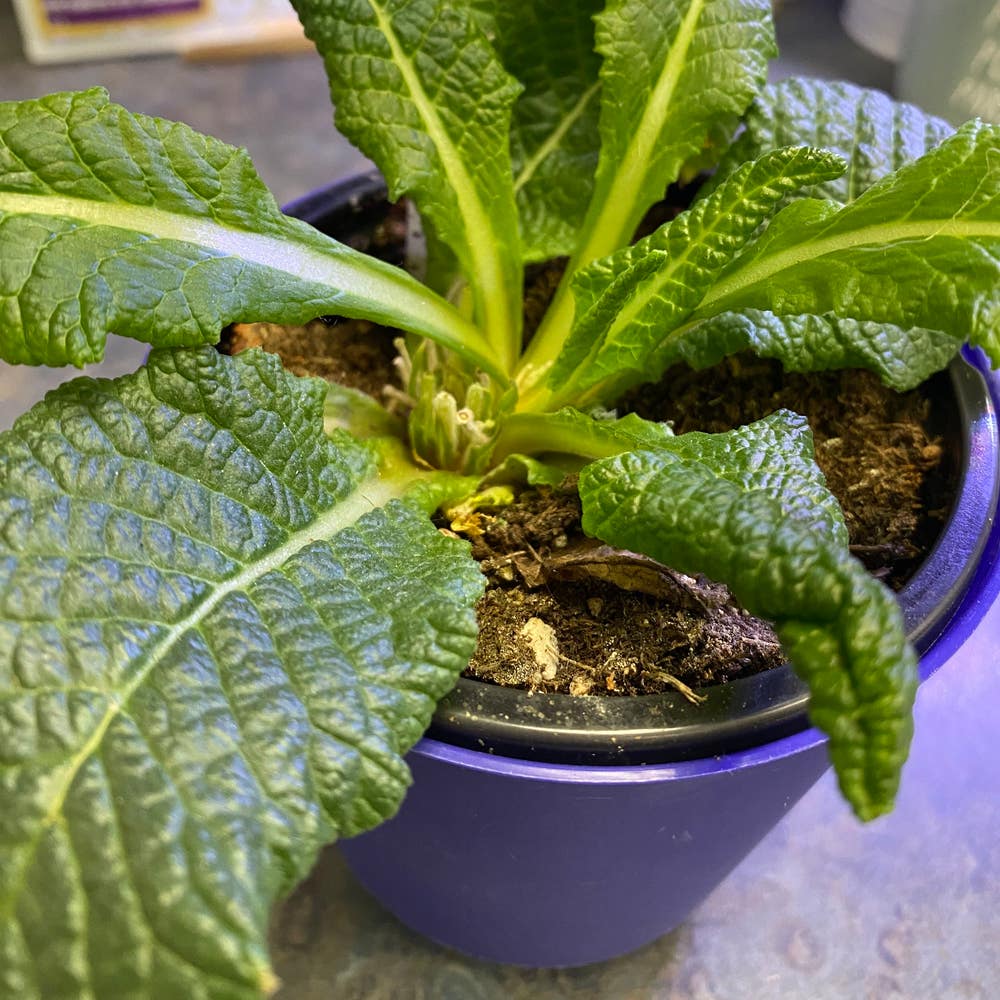
🌸 Why Your Primula Leaves Are Dropping
Primula chionantha subsp. sinopurpurea
By the Greg Editorial Team
Nov 22, 2024•6 min read
This article was created with the help of AI so we can cover more plants for you. May contain errors. See one? Report it here.
Keep your Primula vibrant 🌿 and healthy by mastering the art of preventing leaf drop with these essential care tips!
- 🌱 Identify symptoms early - yellowing and wilting indicate Primula leaf drop issues.
- 🌡️💧 Maintain optimal temperature and humidity for healthy Primula growth.
- 🐛 Inspect for pests and diseases regularly to prevent leaf drop.
Diagnosing Leaf Drop
Identifying Symptoms 🌿
When your Primula leaves start to drop, it's crucial to identify the symptoms early. Leaf yellowing often signals nutrient deficiencies or watering issues, while leaf wilting suggests underwatering or environmental stress.
Leaf drop itself requires careful assessment of the timing and conditions under which it occurs. Observing these signs can help you pinpoint the underlying problem before it escalates.
Assessing Environmental Conditions 🌡️
Next, evaluate the environmental conditions surrounding your Primula. Temperature is key; ensure it stays within the ideal range of 60°F to 70°F (15°C to 21°C) for optimal growth.
Additionally, humidity plays a significant role. Aim for levels above 40% to keep your plant thriving and prevent stress-related leaf drop.
Checking Soil Moisture Levels 💧
Soil moisture is another critical factor in diagnosing leaf drop. Use a moisture meter or perform a finger test to check that the soil is moist but not soggy.
Adjust your watering frequency based on seasonal changes and the specific needs of your Primula. This balance is essential for maintaining healthy leaves.
Inspecting for Pests and Diseases 🐛
Finally, regularly inspect your Primula for pests and diseases. Look closely at the leaves and stems for any signs of infestation or fungal infections.
Pay attention to discoloration, webbing, or unusual spots that could indicate a problem. Early detection is vital for effective treatment and preventing further leaf drop.
By understanding these diagnostic steps, you can take proactive measures to keep your Primula healthy and vibrant. Next, we’ll explore how to prevent leaf drop from occurring in the first place.
Preventing Leaf Drop
💧 Proper Watering Techniques
To keep your Primula thriving, establish a consistent watering schedule. Water when the top inch of soil feels dry, adjusting the frequency based on seasonal changes and humidity levels.
Using room temperature water is crucial. Cold water can shock the plant, leading to further stress and potential leaf drop.
🌱 Ideal Soil Composition
The right soil is essential for your Primula's health. Aim for well-draining, rich soil with a slightly acidic to neutral pH of 6.0 to 7.0.
A recommended soil mix includes potting soil combined with perlite or sand. This combination enhances drainage, preventing waterlogged roots that can cause leaf drop.
☀️ Optimal Light Conditions
Light exposure plays a significant role in your plant's vitality. Provide bright, indirect light for 6-8 hours daily, while avoiding direct sunlight to prevent leaf scorch.
Don't forget to rotate your plants regularly. This ensures even light distribution, promoting balanced growth and reducing the risk of leaf drop.
🌿 Regular Fertilization Schedule
A balanced fertilization schedule is key to supporting your Primula's growth. Apply a balanced fertilizer every 4-6 weeks during the growing season to replenish nutrients.
Be mindful to adjust your fertilization based on the specific needs of your Primula variety. This tailored approach will help maintain vibrant foliage and prevent leaf drop.
By implementing these preventive measures, you can create an optimal environment for your Primula. This proactive care will not only enhance its health but also ensure that your plant remains a stunning addition to your space.
Next, let’s explore how to treat leaf drop effectively if it occurs despite your best efforts.
Treating Leaf Drop
🌊 Step-by-Step Treatment for Overwatering
Overwatering is a common issue that can lead to leaf drop in Primula.
- Assess soil moisture: Use a moisture meter or your finger to check if the soil is too wet.
- Adjust watering schedule: Allow the soil to dry out before watering again to prevent further stress.
- Improve drainage: If the problem persists, consider repotting your Primula in fresh, well-draining soil.
🐛 Remedies for Pest Infestations
Pests can wreak havoc on your Primula, causing leaves to drop unexpectedly.
- Identify pests: Regularly inspect leaves and stems for any signs of infestation, such as discoloration or webbing.
- Apply treatments: Use insecticidal soap or neem oil as directed to eliminate pests effectively.
- Monitor progress: Check your plants weekly to ensure they are recovering and to catch any new infestations early.
🌱 Addressing Nutrient Deficiencies
Nutrient deficiencies can also lead to unsightly leaf drop.
- Identify deficiency: Look for symptoms like yellowing leaves, which indicate a lack of essential nutrients.
- Apply fertilizer: Use a balanced fertilizer according to package instructions to replenish nutrients.
- Monitor plant response: Observe your Primula for improvements in leaf color and overall growth.
🍄 Managing Fungal Infections
Fungal infections can be tricky but are manageable with the right approach.
- Identify symptoms: Look for white powdery spots or wilting leaves that signal a fungal issue.
- Improve air circulation: Space your plants adequately and avoid overhead watering to reduce humidity around the leaves.
- Apply fungicides: Use fungicides as directed for specific fungal problems to help your plant recover.
By addressing these common issues, you can help your Primula thrive and reduce the chances of leaf drop. Next, let’s explore some common misconceptions about leaf drop and plant care.
Common Misconceptions
🌿 Myths about Leaf Drop
One common misconception is that leaf drop is always a sign of disease. In reality, it can often stem from environmental stress or improper care, such as inconsistent watering or sudden temperature changes.
Understanding this distinction is crucial for any Primula owner. By recognizing that leaf drop can be a natural response to stress, you can better assess your plant's needs and take appropriate action.
🏺 Clarifying Care Requirements
Another myth is that Primula can thrive in any soil type. This is far from the truth; Primula requires well-draining, rich soil to flourish.
Using the right soil composition is vital for your plant's health. A mix that retains moisture while allowing excess water to escape will help your Primula thrive and prevent issues like root rot.
By debunking these misconceptions, you can create a more supportive environment for your Primula. This understanding will empower you to provide the best care possible, ensuring your plant remains vibrant and healthy.
As you continue to learn about Primula care, you'll be better equipped to tackle any challenges that arise. Next, let’s explore when it’s time to seek professional help for your plant.
When to Seek Professional Help
🚩 Signs that Indicate Serious Issues
If your Primula continues to drop leaves despite your best efforts, it may be time to seek professional help. Persistent leaf drop can signal underlying issues that require expert intervention.
Severe wilting or discoloration that doesn't improve, even after adjusting care routines, is another red flag. These symptoms can indicate serious health problems that need immediate attention.
🏪 Consulting with Local Garden Centers or Experts
When in doubt about pest identification or treatment options, don't hesitate to reach out for help. Local garden centers and experts can provide invaluable insights tailored to your specific situation.
The benefits of professional guidance are significant. You gain access to personalized advice and local resources that can enhance your Primula care and overall gardening experience.
As you navigate the challenges of plant care, remember that seeking help is a smart step towards ensuring your Primula thrives. Now, let’s explore some common misconceptions about leaf drop and plant care.
⚠️ Safety First
This content is for general information and may contain errors, omissions, or outdated details. It is not medical, veterinary advice, or an endorsement of therapeutic claims.
Always consult a qualified healthcare professional before using any plant as food, medicine, or supplement.
Never eat any plant (or feed one to pets) without confirming its identity with at least two trusted sources.
If you suspect poisoning, call Poison Control (800) 222-1222, the Pet Poison Helpline (800) 213-6680, or your local emergency service immediately.
Spotted an error? Please report it here.
Keep your Primula thriving and vibrant 🌼 with Greg's tailored care reminders and moisture checks to prevent leaf drop and ensure optimal growth!