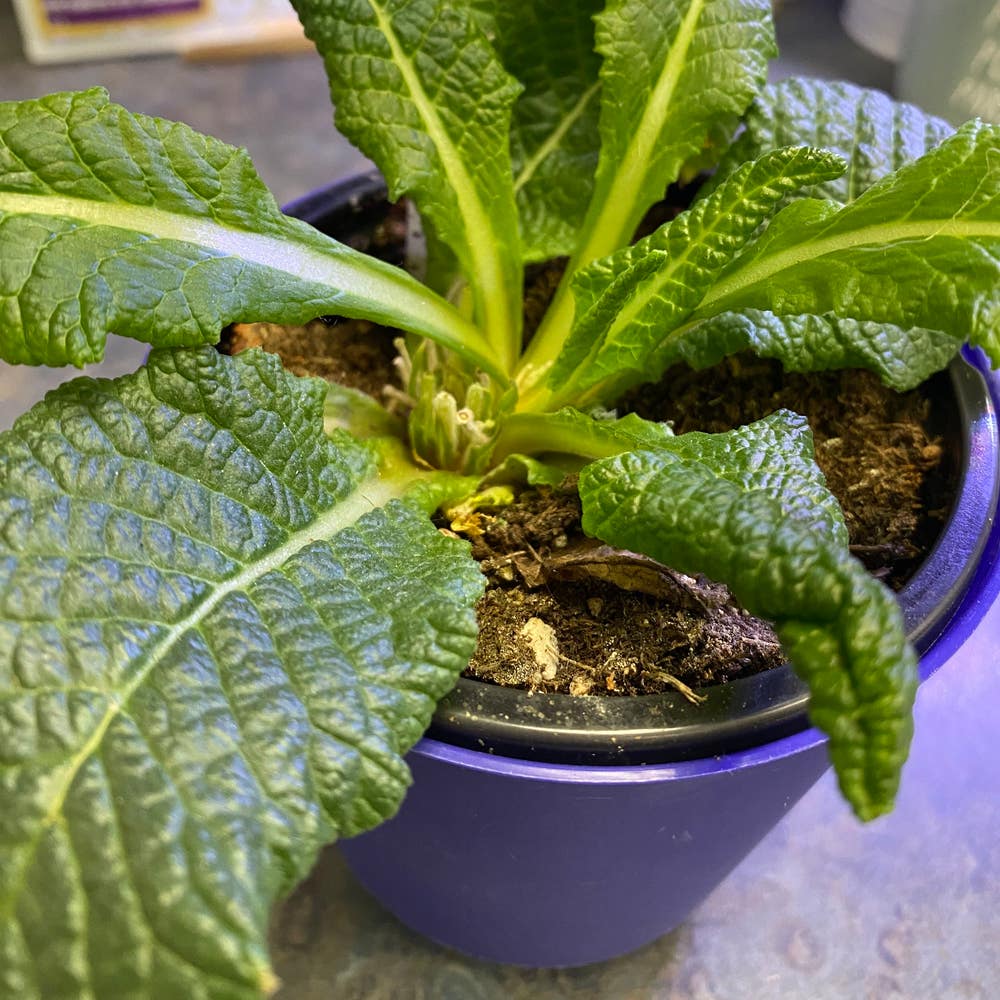
6 Essential Steps to Grow Healthy Primula 🌸
Primula chionantha subsp. sinopurpurea
By the Greg Editorial Team
Nov 22, 2024•5 min read
This article was created with the help of AI so we can cover more plants for you. May contain errors. See one? Report it here.
Cultivate a stunning Primula garden 🌸 by mastering their care and creating the perfect growing conditions!
- 🌞 Primula thrives in partial to full shade, needing 4-6 hours of indirect sunlight.
- 🌱 Moist, well-drained soil is crucial for healthy Primula growth; add compost for fertility.
- 🌿 Proper spacing of 6-12 inches prevents diseases and promotes air circulation.
Choosing the Right Location
🌞 Sunlight Needs
Primula thrives best in partial shade to full shade, requiring about 4-6 hours of indirect sunlight daily. It's crucial to avoid direct afternoon sun, as it can scorch the leaves and hinder growth.
🌧️ Environmental Conditions
These plants prefer moist, well-drained areas that mimic their natural habitat. Pay attention to microclimates in your garden; areas with a bit more shade or moisture can significantly enhance their growth.
📏 Space Requirements
Spacing is key for healthy Primula. Depending on the species, you should plant them 6-12 inches apart to ensure adequate air circulation, which helps prevent fungal diseases.
By carefully selecting the right location, you set the stage for vibrant and flourishing Primula. Next, we’ll dive into the essential steps for soil preparation, ensuring your plants have the best foundation for growth.
Soil Preparation
Soil Type 🌱
Primula thrives in well-draining soil that is rich in organic matter. Aim for a soil pH that is slightly acidic to neutral, ideally between 6.0 and 7.0, to promote healthy growth.
Soil Amendments 🧑🌾
To enhance soil fertility, incorporate compost or well-rotted manure into your planting area. Additionally, using peat moss or leaf mold can significantly improve moisture retention, ensuring your Primula stays hydrated.
Testing Soil Quality 🔬
Soil testing is crucial for understanding pH and nutrient levels. After testing, follow these steps to amend your soil based on the results: adjust pH with lime or sulfur as needed, and add fertilizers to boost nutrient content.
With the right soil preparation, your Primula will have the foundation it needs to flourish. Next, we’ll explore the best practices for planting and caring for these beautiful flowers.
Planting and Care Techniques
Timing for Planting 🌱
The ideal time to plant Primula is during early spring or fall. This timing allows for optimal root establishment, ensuring your plants thrive.
Planting Process 🌍
- Prepare planting holes: Dig holes that are twice the width of the root ball.
- Positioning: Place the crown of the plant at soil level to promote healthy growth.
- Backfill and water: Fill the hole with soil and water thoroughly to eliminate air pockets.
Watering Requirements 💧
Keep the soil consistently moist, but avoid sogginess. Adjust your watering frequency based on weather conditions and whether your Primula is in a container or garden bed.
Fertilizing Best Practices 🌿
Fertilize every 4-6 weeks during the growing season to support healthy growth. Use balanced, water-soluble fertilizers, such as a 10-10-10 NPK mix, for best results.
Pruning and Deadheading Techniques ✂️
- Identify spent flowers: Look for wilted blooms that need attention.
- Cutting back: Use clean, sharp scissors to trim stems back to the first set of leaves.
- Dispose of dead flowers: Proper disposal helps prevent disease and keeps your garden looking tidy.
With these planting and care techniques, your Primula will flourish beautifully. Next, let’s explore common challenges and solutions to keep your plants healthy and vibrant.
Common Challenges and Solutions
🐛 Identifying and Managing Pests
Common Pests
Pests can be a real headache for Primula enthusiasts. Aphids are notorious for curling leaves and leaving behind a sticky residue, while slugs and snails create irregular holes in the foliage, making your plants look less than their best.
Control Methods
To tackle these pests, consider introducing natural predators like ladybugs, which feast on aphids. For slugs and snails, beer traps can be surprisingly effective; just bury a container filled with beer in the soil, and watch them be lured in.
🦠 Dealing with Diseases
Common Diseases
Diseases can also plague your Primula. Powdery mildew manifests as white, powdery spots on leaves, while root rot often results from overwatering, leading to wilting and yellowing of the plant.
Prevention Strategies
Preventing these issues starts with proper spacing and ensuring good air circulation around your plants. If problems persist, consider using fungicides as a last resort to protect your precious blooms.
🌡️ Overcoming Environmental Stressors
Environmental stressors like drought and excessive heat can challenge even the most seasoned gardener. To combat these issues, mulching can help retain soil moisture, while consistent watering practices ensure your Primula stay hydrated and healthy.
By being proactive about pests, diseases, and environmental challenges, you can cultivate a thriving Primula garden that brings joy and beauty to your space. Next, let’s explore the seasonal care and propagation techniques to keep your plants flourishing year-round.
Seasonal Care and Propagation Techniques
🌱 Seasonal Care
Spring is a crucial time for your Primula. As growth resumes, focus on fertilizing and watering to support their vibrant development.
In summer, adjust your watering frequency to combat the heat. Ensure the soil remains consistently moist but avoid overwatering, which can lead to root issues.
As fall approaches, prepare your Primula for dormancy. Protect them from frost by mulching and reducing watering as temperatures drop.
🌼 Propagation Techniques
Seed Propagation
Seed propagation is an exciting way to expand your Primula collection. Start by collecting seeds from mature plants, ensuring they are fully dried.
Sow the seeds in a well-draining mix and maintain consistent moisture for optimal germination conditions. Patience is key, as it may take a few weeks for seedlings to emerge.
Division and Offsets
Dividing your Primula is a straightforward method to propagate. The best time for division is in early spring or fall when the plants are actively growing.
To divide, gently lift the plant from the soil and separate the root clumps. Replant the divisions in well-prepared soil, ensuring they have enough space to thrive.
With these seasonal care tips and propagation techniques, you can enjoy a flourishing Primula garden year-round. Next, let’s explore common challenges and solutions to keep your plants healthy and thriving.
⚠️ Safety First
This content is for general information and may contain errors, omissions, or outdated details. It is not medical, veterinary advice, or an endorsement of therapeutic claims.
Always consult a qualified healthcare professional before using any plant as food, medicine, or supplement.
Never eat any plant (or feed one to pets) without confirming its identity with at least two trusted sources.
If you suspect poisoning, call Poison Control (800) 222-1222, the Pet Poison Helpline (800) 213-6680, or your local emergency service immediately.
Spotted an error? Please report it here.
Grow thriving Primula blooms 🌼 with Greg's personalized care reminders and soil testing features, ensuring your plants get the perfect balance of moisture and nutrients!