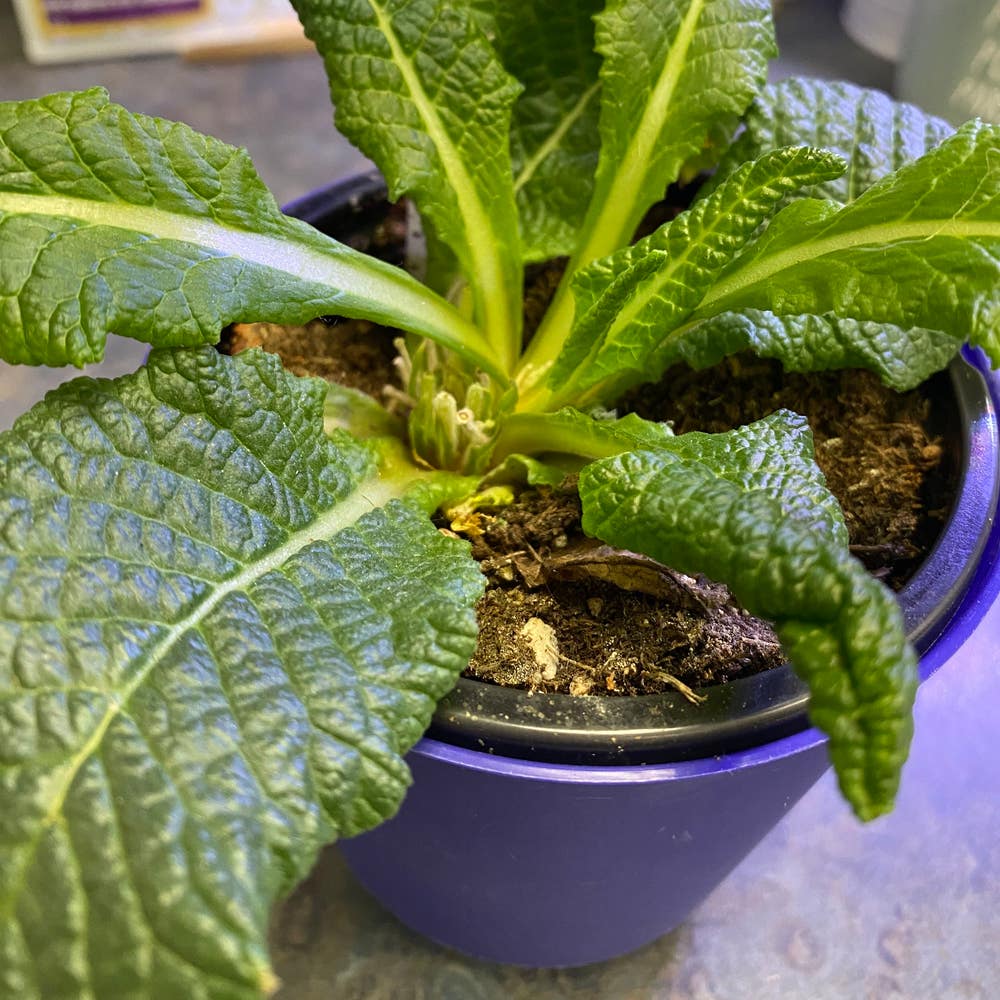
Step-by-Step Guide to Trimming Primula ✂️
Primula chionantha subsp. sinopurpurea
By the Greg Editorial Team
Nov 22, 2024•5 min read
This article was created with the help of AI so we can cover more plants for you. May contain errors. See one? Report it here.
Revitalize your Primula 🌱 with simple trimming and deadheading tips for a stunning garden display!
- 🌼 Trimming Primula boosts health and blooms, making it essential for vibrant gardens.
- ✂️ Use clean, sharp tools for precise cuts and to prevent plant damage.
- 🌱 Regular pruning and deadheading promote new growth and maintain a tidy appearance.
Step-by-Step Guide to Trimming Primula
Trimming your Primula is a straightforward process that can enhance its health and appearance. Follow these easy steps to keep your plant thriving.
👀 Assess the Plant
Start by examining your Primula closely. Look for any dead or damaged leaves, as well as spent flowers that detract from its beauty.
🛠️ Prepare Tools
Before you begin, ensure your tools are ready. Clean and sharpen your scissors or pruning shears to make precise cuts.
✂️ Trim Dead or Damaged Leaves
Next, focus on the leaves. Cut at the base of any leaf stems that are dead or damaged, and remove any yellowing or wilting leaves to promote new growth.
🌱 Shape the Plant
To maintain a compact form, lightly trim the edges of the rosettes. Be careful not to cut into the healthy green parts of the leaves, as this can harm the plant.
🔍 Final Inspection
After trimming, conduct a final inspection. Check for any remaining dead flowers or leaves and remove them to ensure your Primula looks its best.
By following these steps, you can keep your Primula healthy and vibrant. Ready to learn about deadheading? Let's dive into that next!
Deadheading Primula
Deadheading is a simple yet essential task for keeping your Primula looking vibrant and healthy. Start by identifying spent flowers; these are the ones that have lost their vibrancy and are starting to wilt.
✂️ Gather Your Tools
Before you begin, grab a pair of clean scissors or pruning shears. Clean tools help prevent the spread of disease and ensure a smooth cutting process.
🌼 Cutting the Flower Stem
When you're ready to cut, follow the flower stem down to the base of the plant. Make a clean cut to avoid damaging the surrounding foliage, which is crucial for the plant's overall health.
🗑️ Dispose of Removed Flowers
After cutting, it's important to dispose of the spent blooms properly. This prevents disease and keeps your garden tidy, allowing your Primula to thrive.
🌟 Benefits of Deadheading
Deadheading offers several benefits that can enhance your gardening experience:
- Stimulates Further Flowering: By removing spent blooms, you encourage the plant to produce more flowers.
- Prevents Early Seeding: This keeps the plant focused on blooming rather than going to seed too soon.
- Maintains a Tidy Appearance: A well-maintained Primula looks more appealing in your garden.
Incorporating deadheading into your regular gardening routine not only promotes healthy growth but also enhances the beauty of your plants. As you continue caring for your Primula, remember that timing and technique are key to achieving the best results.
Next, let’s explore the best seasons for pruning Primula to maximize its health and beauty.
Timing and Seasonal Considerations
Best Seasons for Pruning Primula 🌱
Pruning Primula at the right time is crucial for its health and appearance.
- Early Spring: This is the ideal time to prune before new growth begins. It allows you to remove any winter damage, setting the stage for a vibrant season ahead.
- Late Spring to Early Summer: After flowering, it's time for deadheading and shaping. This helps maintain the plant's aesthetics and encourages further blooming.
Signs that Primula Needs Pruning ✂️
Recognizing when your Primula needs a trim can make all the difference in its vitality.
- Overcrowded Growth: If leaves and flowers are competing for space, it’s a clear sign that pruning is necessary.
- Yellowing Leaves: This can indicate potential disease or nutrient issues, signaling that your plant needs attention.
- Spent Flowers: Removing these not only tidies up the plant but also encourages new blooms, keeping your garden looking fresh.
By keeping an eye on these signs and timing your pruning correctly, you can ensure your Primula thrives beautifully throughout the seasons.
Next, we’ll explore common problems and solutions that may arise during the pruning process.
Common Problems and Solutions
🌱 Identifying Overgrown Primula
Overgrown Primula can be a gardener's headache. Look for signs like dense foliage, reduced flowering, and leggy growth, which indicate that your plant is struggling for space.
To remedy this, regular pruning is essential. Keeping your Primula trimmed helps maintain its shape and overall health, encouraging vibrant blooms.
🐛 Addressing Pest Issues Related to Pruning
Pests can quickly become a problem after pruning. Common culprits include aphids and slugs, which can damage your plants if left unchecked.
To prevent these issues, inspect your plants regularly. Prune any affected areas promptly to keep your Primula thriving.
🌿 Solutions for Unhealthy Growth Post-Pruning
After pruning, you might notice signs of stress, such as wilting or browning leaves. These symptoms can be alarming but are often manageable.
Ensure your Primula receives proper watering and drainage to help it recover. Additionally, avoid over-pruning; leaving enough foliage is crucial for photosynthesis and overall plant vitality.
With these strategies, you can tackle common problems and keep your Primula healthy and flourishing. Next, let’s explore the pruning mistakes to avoid for optimal plant care.
Pruning Mistakes to Avoid
🚫 Common Errors in Primula Pruning
Pruning Primula can be a delicate task, and mistakes are easy to make. One common error is cutting too much foliage, which can stress the plant and hinder its growth.
Another frequent mistake is pruning at the wrong time. This can disrupt the flowering cycles, leading to fewer blooms and a less vibrant plant.
🔧 How to Correct Pruning Mistakes
If you find yourself in a situation where you've over-pruned, the first step is to assess the extent of the mistake. Determine if the plant can recover by checking for healthy leaves and stems.
Once you've evaluated the damage, adjust your care routine. Providing extra water and nutrients can help support recovery and encourage new growth.
✂️ Importance of Proper Technique
Using the right pruning technique is crucial for ensuring healthy growth and vibrant flowering. Proper pruning not only promotes a fuller appearance but also reduces the risk of disease and pest infestations.
By avoiding common mistakes and employing effective techniques, you can keep your Primula thriving and beautiful. Now that you understand what to avoid, let’s explore how to identify and address common problems that may arise with your Primula.
⚠️ Safety First
This content is for general information and may contain errors, omissions, or outdated details. It is not medical, veterinary advice, or an endorsement of therapeutic claims.
Always consult a qualified healthcare professional before using any plant as food, medicine, or supplement.
Never eat any plant (or feed one to pets) without confirming its identity with at least two trusted sources.
If you suspect poisoning, call Poison Control (800) 222-1222, the Pet Poison Helpline (800) 213-6680, or your local emergency service immediately.
Spotted an error? Please report it here.
Keep your Primula blooming beautifully 🌼 by using Greg's tailored care reminders to master the art of trimming and ensure vibrant growth!