🌸 The Best Pollinators for Your Primula
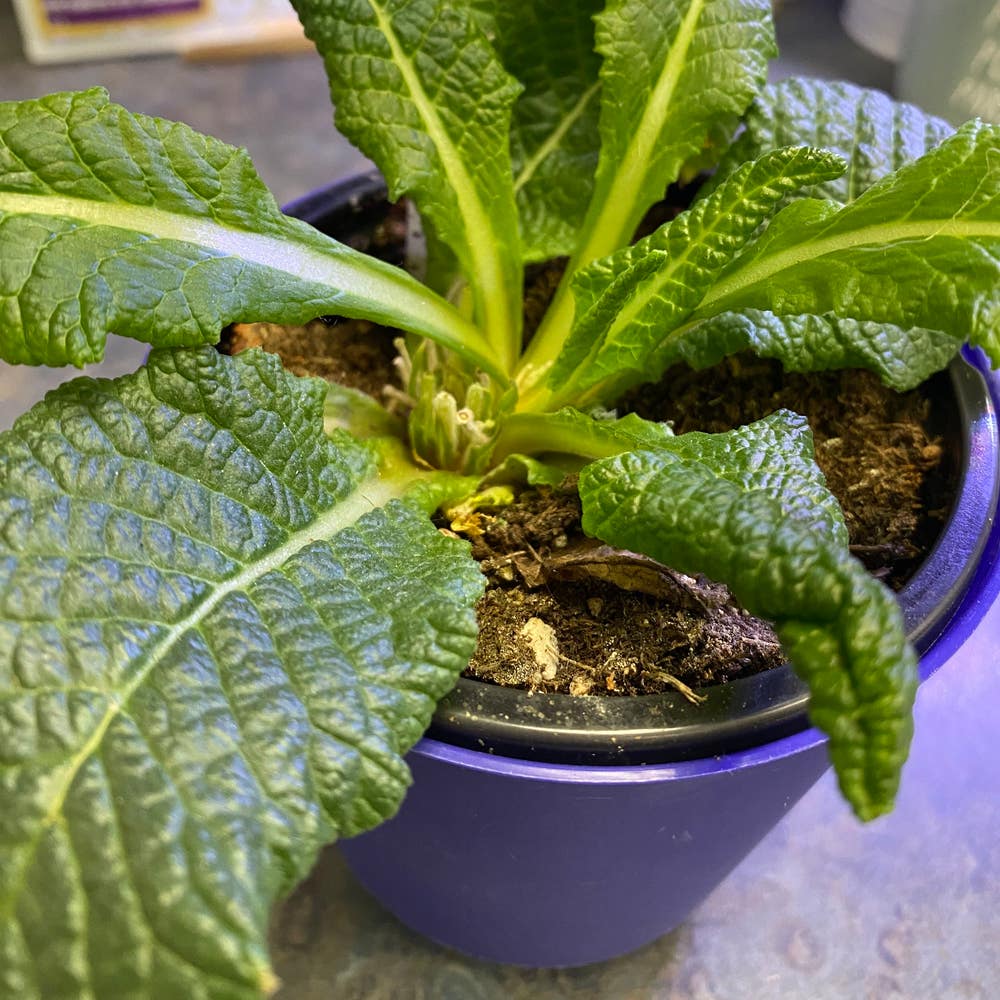
Primula chionantha subsp. sinopurpurea
By the Greg Editorial Team
Nov 22, 2024•6 min read
This article was created with the help of AI so we can cover more plants for you. May contain errors. See one? Report it here.
Cultivate stunning Primula flowers 🌸 and create a thriving habitat for essential pollinators in your garden! 🌼
- 🌼 Primula attracts bees, butterflies, and hummingbirds, boosting pollination success.
- 🌈 Vibrant colors and scents enhance Primula's appeal to various pollinators.
- 🌱 Planting clusters improves visibility and accessibility for effective pollination.
Flower Structure
🌸 Characteristics
Primula flowers boast a unique tubular shape that effectively attracts specific pollinators. This design not only enhances their appeal but also ensures that the right pollinators are drawn to them.
The vibrant colors of Primula range from sunny yellows to soft pinks, deep purples, and pure whites. These hues create a striking visual display, making them hard for pollinators to resist.
Clusters of flowers on a single stem further enhance their visibility. This arrangement allows pollinators to easily spot and access multiple blooms at once, increasing the chances of successful pollination.
🐝 Role in Pollination
Some Primula species possess the ability to self-pollinate. This occurs due to the presence of both male and female reproductive structures within the same flower, allowing them to reproduce without external assistance.
However, cross-pollination plays a vital role in the genetic diversity of Primula. The flower's structure is specifically designed to attract various pollinator species, facilitating this essential process and ensuring a healthy population of plants.
With the right understanding of flower structure, you can create a thriving environment for Primula and their pollinators. Next, we'll explore the fascinating pollination process that keeps these plants flourishing.
Pollination Process
Self-Pollination Mechanism 🌱
Primula has a fascinating ability to self-pollinate, which occurs when flowers contain both male and female reproductive structures. This process typically happens under specific conditions, such as when pollinators are scarce or environmental factors are less than ideal.
Self-pollination offers several advantages. It ensures that certain species can reproduce even in isolated conditions, promoting genetic stability and survival.
Cross-Pollination Mechanism 🌼
While self-pollination is beneficial, cross-pollination plays a crucial role in enhancing genetic diversity. Various pollinators are attracted to Primula flowers, each contributing to this process.
Primary Pollinator Species
- Bees: They are essential for transferring pollen between flowers, ensuring effective fertilization.
- Butterflies: Their attraction to vibrant colors and nectar makes them key players in pollination.
- Moths: Active at night, they help pollinate Primula when other pollinators are inactive.
- Hummingbirds: Their interaction with tubular flowers is vital, as they can reach deep into the blooms for nectar.
Attraction Mechanisms for Pollinators
Primula employs several strategies to attract these pollinators.
- Scent Production: Floral scents are specifically designed to lure in certain pollinators, enhancing the chances of successful pollination.
- Nectar Availability: The presence of nectar is crucial for attracting bees and butterflies, providing them with the energy they need while facilitating pollen transfer.
Understanding these mechanisms not only highlights the intricate relationships between plants and pollinators but also emphasizes the importance of maintaining healthy ecosystems. As we explore further, we will delve into hand pollination techniques that can support these natural processes.
Hand Pollination Techniques
Hand pollination can be a rewarding way to ensure the success of your Primula plants. This technique is especially useful when natural pollinators are scarce or when you want to control the genetic outcome of your flowers.
Step 1: Identifying Male and Female Flower Parts 🌸
To begin, you need to identify the male and female parts of the flower.
- Male parts: Look for the anthers and stamens, which produce pollen.
- Female parts: The pistil and stigma are where the pollen needs to land for fertilization to occur.
Step 2: Collecting Pollen 🧪
Once you’ve identified the male parts, it’s time to collect the pollen.
Gently tap or brush the anthers with a small tool, like a cotton swab or a soft brush, to gather the pollen without damaging the flower.
Step 3: Transferring Pollen 🔄
Now that you have the pollen, you need to transfer it to the stigma of another flower.
Carefully apply the collected pollen to the stigma using the same tool you used for collection. This ensures that the pollen reaches the female reproductive part effectively.
Step 4: Ensuring Successful Fertilization ⏰
Timing is crucial for successful fertilization.
Make sure to perform the pollination when the flowers are fully open and receptive. This increases the chances of successful fertilization and fruit set.
Hand pollination not only boosts your gardening success but also deepens your connection with your plants. As you engage in this process, you’ll gain a greater appreciation for the intricate world of plant reproduction.
Next, let’s explore how to create a pollinator-friendly environment that supports both your Primula and the vital pollinators that help them thrive.
Supporting Pollinators
🌼 Creating a Pollinator-Friendly Environment
Designing a garden that attracts and supports pollinators is both rewarding and essential. Start by incorporating a diverse plant selection; a variety of flowering plants ensures that different pollinators have access to food sources throughout the growing season.
Next, provide water sources like shallow dishes or birdbaths. These offer hydration for thirsty pollinators, especially during hot summer days.
Finally, consider avoiding pesticides. Minimizing chemical use protects pollinator health and encourages a thriving ecosystem in your garden.
🌱 Suggested Companion Plants
Choosing the right companion plants can significantly enhance your garden's appeal to pollinators. Here are a few excellent options:
- Lavender: Its fragrant flowers are a magnet for bees, making it a favorite among pollinators.
- Coneflower: This hardy plant provides ample nectar for butterflies, ensuring they visit your garden frequently.
- Bee balm: Known for attracting a variety of pollinators, bee balm adds vibrant color and life to your garden.
By selecting these plants, you create a welcoming environment that supports the vital role of pollinators.
As you cultivate your garden, remember that every small effort counts in supporting these essential creatures. Next, let’s explore the common challenges pollinators face and how we can overcome them.
Pollination Challenges
🌪️ Common Obstacles
Pollination can be hindered by various environmental factors. Temperature fluctuations can significantly impact pollinator activity, making it crucial for flowers to bloom when pollinators are active.
Humidity levels also play a vital role in pollen viability. High humidity can help pollen grains remain viable longer, while low humidity can dry them out, reducing the chances of successful fertilization.
Another pressing issue is the lack of pollinators. Declining populations of bees, butterflies, and other essential pollinators can lead to reduced pollination rates, threatening the health of your Primula and other flowering plants.
🛠️ Solutions
Fortunately, there are effective strategies to enhance pollination success. One approach is planting flowers in clusters. This increases visibility and accessibility for pollinators, making it easier for them to find and visit your Primula.
Timing your flower planting is also essential. Coordinating flowering times with peak pollinator activity ensures that your plants are in bloom when pollinators are most active, maximizing the chances of successful pollination.
Creating a habitat that encourages native pollinator species can further support your garden's ecosystem. By restoring natural habitats and providing food and shelter, you can help sustain local pollinator populations, ensuring a thriving environment for your Primula.
As we explore ways to support pollinators, it’s essential to consider how we can create a welcoming environment for these vital creatures.
⚠️ Safety First
This content is for general information and may contain errors, omissions, or outdated details. It is not medical, veterinary advice, or an endorsement of therapeutic claims.
Always consult a qualified healthcare professional before using any plant as food, medicine, or supplement.
Never eat any plant (or feed one to pets) without confirming its identity with at least two trusted sources.
If you suspect poisoning, call Poison Control (800) 222-1222, the Pet Poison Helpline (800) 213-6680, or your local emergency service immediately.
Spotted an error? Please report it here.
Boost your Primula's pollination success 🌸 with Greg's tailored care tips and reminders, ensuring your garden attracts the right pollinators while thriving beautifully!