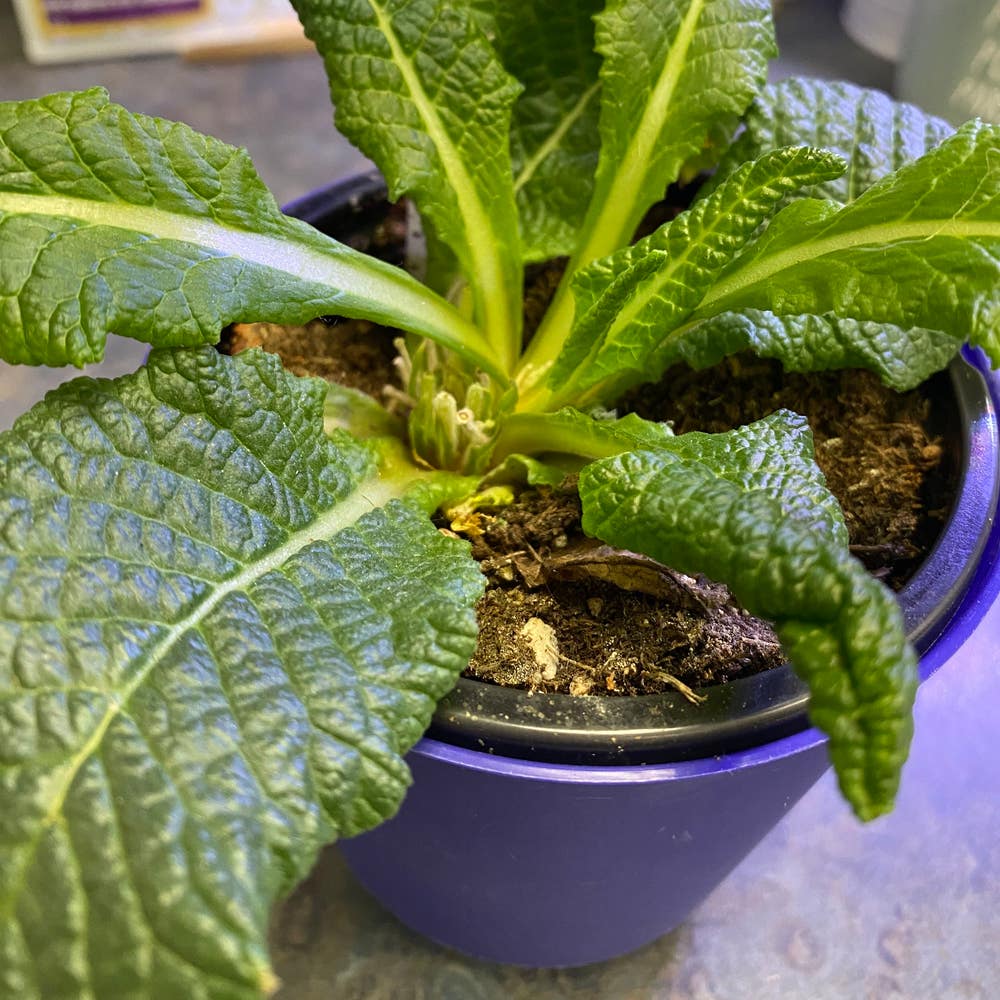
What to Do About Curling Leaves on Your Primula 🌸
Primula chionantha subsp. sinopurpurea
By the Greg Editorial Team
Nov 22, 2024•3 min read
This article was created with the help of AI so we can cover more plants for you. May contain errors. See one? Report it here.
Revive your Primula's beauty 🌱 by learning to prevent and fix curling leaves for vibrant, healthy growth!
- 🌡️ Maintain 15°C to 20°C for healthy Primula and to prevent leaf curling.
- 💧 Humidity levels of 50% to 70% are crucial for Primula leaf health.
- 🐛 Check for pests like aphids; they can cause curling leaves on Primula.
Causes of Curling Leaves
🌡️ Environmental Stress Factors
Temperature extremes can significantly affect your Primula. The ideal temperature range for these plants is between 15°C to 20°C (59°F to 68°F). When temperatures stray too far from this range, you may notice symptoms like leaf curling and discoloration.
Humidity also plays a crucial role in the health of your Primula. The optimal humidity level is between 50% to 70%. If the humidity drops too low, you might see the edges of the leaves curling and browning.
💧 Watering Issues
Watering practices are another common cause of curling leaves. Overwatering is often indicated by yellowing leaves and soggy soil. This can lead to root rot, which ultimately results in leaf curl.
On the flip side, underwatering can also cause problems. Signs of underwatering include wilting leaves and dry soil, leading to curling and drooping leaves.
🐛 Pest Infestations
Pests can wreak havoc on your Primula, causing curling leaves as a symptom. Aphids are a common culprit, leaving behind sticky residue and curled leaves. Spider mites are another threat, often showing up with fine webbing and stippled leaves.
🛠️ Solutions for Curling Leaves
🔄 Adjusting Watering Practices
To help your Primula recover, proper watering is essential. Start by checking the soil moisture before watering.
- Water thoroughly until excess drains from the bottom.
- Make sure to water when the top inch of soil feels dry.
This simple routine can make a world of difference for your plant.
🧼 Pest Control Methods
When it comes to pest control, you have several options. For organic solutions, consider using neem oil. Apply it according to the instructions, typically every few weeks.
Insecticidal soap is another effective method; just follow the usage guidelines for best results. If the infestation is severe, you might need to resort to chemical pesticides, but always choose wisely to protect your plant's health.
With these insights, you can tackle the curling leaves on your Primula effectively. Next, let’s explore how to prevent leaf curl in the first place.
Preventing Leaf Curl
Best Practices for Primula Care 🌱
To keep your Primula thriving, start with the right light conditions. They flourish in bright, indirect sunlight, which helps prevent leaf curl and promotes healthy growth.
Temperature and humidity are also crucial. Aim to maintain optimal conditions, ideally between 15°C to 20°C (59°F to 68°F) and a humidity level of 50% to 70%. This balance will help your Primula stay vibrant and resilient.
Regular Maintenance Tips ✂️
Regular pruning is essential for healthy growth. Trim away dead or damaged leaves to encourage new growth and improve air circulation.
Cleaning the leaves is another vital task. Dust and debris can harbor pests and diseases, so gently wipe the leaves with a damp cloth to keep them clean and healthy.
Seasonal Care Adjustments 🌦️
Caring for your Primula varies with the seasons. In spring, focus on fertilization and adjust your watering routine to match the plant's growth spurt.
During winter, protect your Primula from cold drafts and ensure it maintains adequate humidity. This attention to seasonal needs will help prevent leaf curl and keep your plant thriving year-round.
By following these best practices and maintenance tips, you can enjoy a healthy, flourishing Primula that brightens your space. Next, let’s explore how to address specific issues like curling leaves caused by environmental stress or pests.
⚠️ Safety First
This content is for general information and may contain errors, omissions, or outdated details. It is not medical, veterinary advice, or an endorsement of therapeutic claims.
Always consult a qualified healthcare professional before using any plant as food, medicine, or supplement.
Never eat any plant (or feed one to pets) without confirming its identity with at least two trusted sources.
If you suspect poisoning, call Poison Control (800) 222-1222, the Pet Poison Helpline (800) 213-6680, or your local emergency service immediately.
Spotted an error? Please report it here.
Keep your Primula vibrant and healthy 🌿 by using Greg's tailored reminders for optimal watering and humidity, ensuring those curling leaves are a thing of the past!