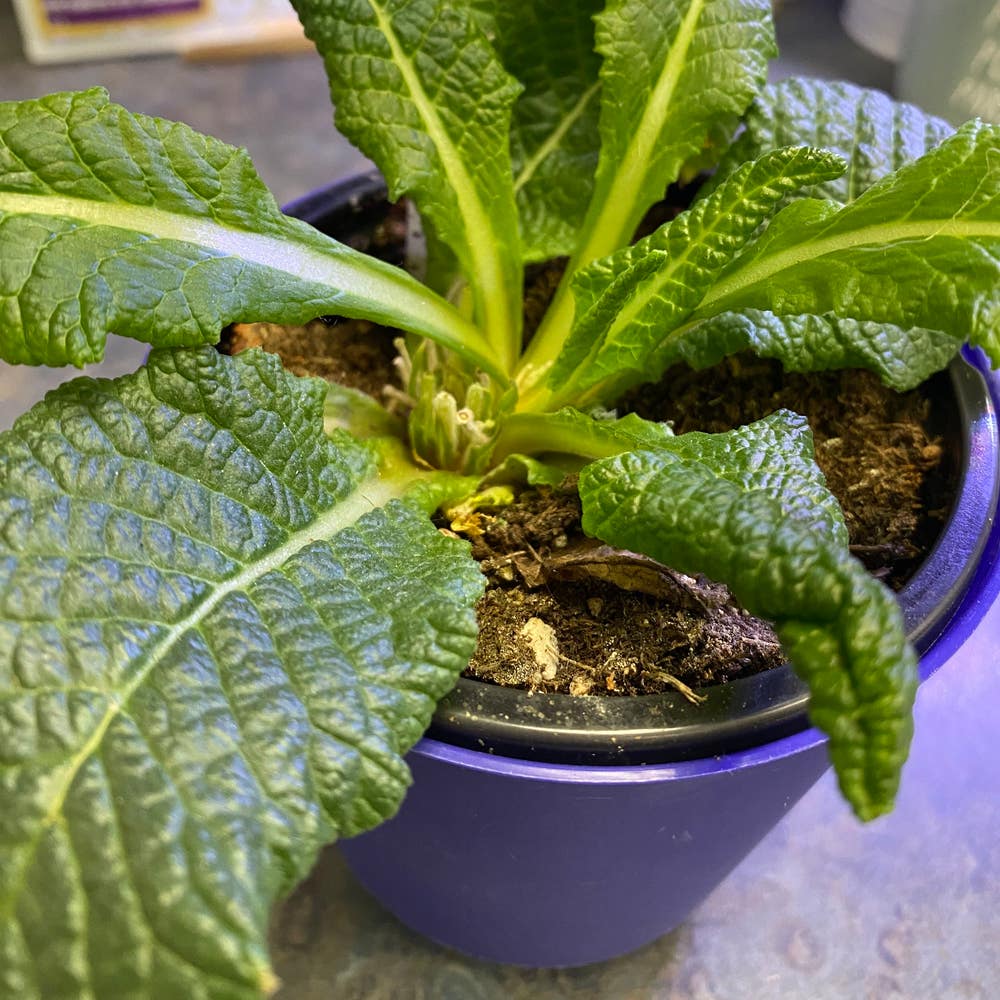
💧 Step-by-Step Guide to Treating Root Rot in Primula
Primula chionantha subsp. sinopurpurea
By the Greg Editorial Team
Nov 22, 2024•5 min read
This article was created with the help of AI so we can cover more plants for you. May contain errors. See one? Report it here.
Revive your Primula and enjoy a flourishing garden by mastering root rot identification and treatment! 🌱
- 🌱 Early identification of root rot is crucial to save your Primula from damage.
- 🧐 Inspect roots for color and texture to distinguish root rot from other issues.
- 🌿 Proper watering and drainage are essential to prevent root rot in Primula.
Identifying Root Rot
Symptoms of Root Rot 🌱
Recognizing root rot early can save your Primula from irreversible damage. Look for these telltale signs:
- Yellowing leaves: This often indicates stress and nutrient deficiencies.
- Wilting despite adequate watering: A crucial sign that your plant's roots may be struggling.
- Root discoloration: When you examine the roots, dark, mushy areas are a clear red flag.
How to Check for Root Rot 🔍
Checking for root rot is straightforward. Follow these easy steps:
- Gently remove the plant from its pot: Be careful not to damage the roots during this process.
- Inspect the root system for color and texture: Healthy roots should be firm and white, while rotten roots will appear dark and mushy.
- Assess the soil moisture level: If the soil feels overly wet or soggy, it could contribute to root rot.
Differentiating Root Rot from Other Issues 🆚
It's essential to distinguish root rot from other potential problems. Here’s how:
- Comparing symptoms: Root rot can mimic issues caused by pests or nutrient deficiencies. Pay close attention to the specific signs your plant displays.
- Importance of root examination: A thorough visual inspection of the roots can provide crucial clues, helping you differentiate between root rot and other issues.
By being vigilant and proactive, you can effectively identify root rot and take the necessary steps to treat it. Next, we’ll explore how to treat root rot effectively, ensuring your Primula can thrive once again.
Treating Root Rot
Step-by-step treatment process 🌱
Treating root rot requires a careful approach to revive your Primula. Start by gently removing the plant from its pot and cleaning the roots to remove any soil clinging to them.
Next, inspect the roots for any signs of rot. Trim away the affected roots using sterilized scissors to prevent further infection. After trimming, allow the roots to dry for a few hours to help them recover.
Finally, replant your Primula in fresh, well-draining soil. This step is crucial for ensuring that the plant has the best chance of thriving again.
Recommended fungicides and treatments 💊
Using fungicides can be an effective way to combat root rot. There are two main types: systemic and contact fungicides. Systemic fungicides are absorbed by the plant, providing internal protection, while contact fungicides act on the surface.
When applying fungicides, follow the manufacturer's instructions for the best results. Ensure even coverage on the affected areas, and consider reapplying as needed based on the severity of the rot.
How to repot with root rot 🪴
Repotting your Primula after treating root rot is essential for its recovery. Start by choosing a pot with drainage holes to prevent future water accumulation.
Next, use a suitable potting mix that is light and well-aerated. This will help promote healthy root growth and drainage. When positioning the plant, ensure the roots are spread out to encourage even growth.
By following these steps, you can give your Primula a fresh start and help it thrive once again. Now that you’ve treated root rot, let’s explore how to prevent it from happening in the future.
Preventing Root Rot
🌊 Best practices for watering
Watering your Primula correctly is crucial to prevent root rot. During the growing season, aim to water when the top inch of soil feels dry, adjusting frequency based on temperature and humidity.
Be vigilant for signs of overwatering, such as yellowing leaves or a musty smell from the soil. If you notice these symptoms, it’s time to reassess your watering habits.
🕳️ Importance of soil drainage and aeration
Choosing the right pot is essential for proper drainage. Always opt for pots with drainage holes to allow excess water to escape, preventing soggy soil conditions.
Soil composition plays a significant role in root health. A well-draining mix, rich in organic matter, helps maintain moisture without suffocating the roots.
🪴 Choosing the right potting mix
A good potting mix for Primula should include a blend of peat, perlite, and compost. This combination ensures adequate aeration and moisture retention, promoting healthy root growth.
Avoid heavy soils that can compact easily. Dense potting media can trap water, leading to root rot and other issues.
By following these preventive measures, you can significantly reduce the risk of root rot in your Primula. Next, let’s explore how to treat root rot effectively if it does occur.
Reviving a Plant with Root Rot
Signs of recovery in treated plants 🌱
After treating root rot, look for new leaf growth as a clear indicator of recovery. Additionally, improved color and turgidity in the leaves signal that your plant is regaining its health.
Ongoing care after treatment 💧
To maintain optimal moisture levels, adjust your watering practices based on the plant's needs and environmental conditions. It's crucial to avoid overwatering, which can lead to a relapse of root rot.
Fertilization plays a key role in post-treatment care. Wait a few weeks after repotting before introducing fertilizer, and choose a balanced formula to support new growth.
Monitoring for future root rot issues 🔍
Regular inspections of your plant can help catch early signs of root rot. Check for yellowing leaves or wilting, which may indicate moisture issues.
Make environmental adjustments as needed to prevent recurrence. Ensure proper drainage and avoid placing your plant in overly humid conditions to keep root rot at bay.
With these steps, your Primula can thrive again, bringing joy and beauty to your space. Now, let’s explore how to prevent root rot in the first place!
⚠️ Safety First
This content is for general information and may contain errors, omissions, or outdated details. It is not medical, veterinary advice, or an endorsement of therapeutic claims.
Always consult a qualified healthcare professional before using any plant as food, medicine, or supplement.
Never eat any plant (or feed one to pets) without confirming its identity with at least two trusted sources.
If you suspect poisoning, call Poison Control (800) 222-1222, the Pet Poison Helpline (800) 213-6680, or your local emergency service immediately.
Spotted an error? Please report it here.
Revive your Primula from root rot with these essential steps, and let Greg's custom watering alerts 🌱 keep your plant thriving and free from future issues!