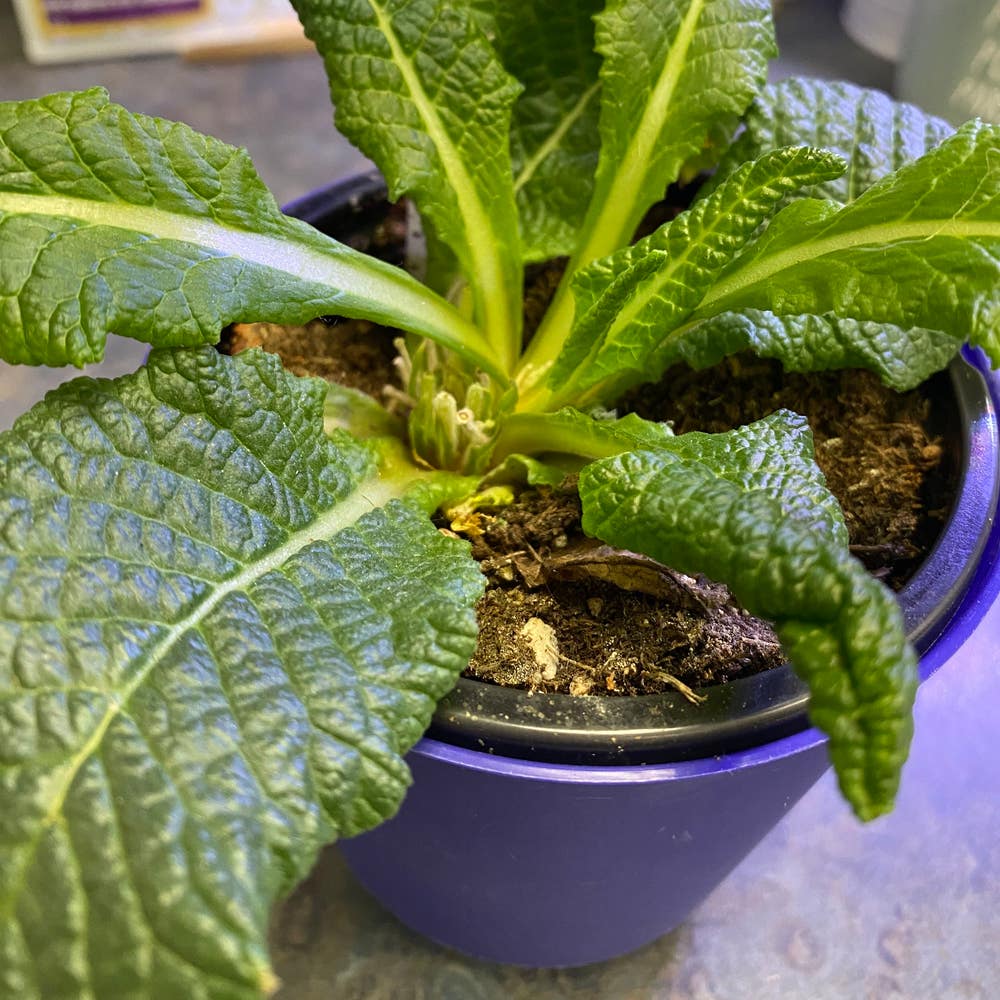
🌸 How to Fix Droopy Leaves on Your Primula
Primula chionantha subsp. sinopurpurea
By the Greg Editorial Team
Nov 22, 2024•6 min read
This article was created with the help of AI so we can cover more plants for you. May contain errors. See one? Report it here.
Transform your droopy Primula 🌱 into a thriving beauty with essential tips on watering, light, and pest control!
- 💧 Overwatering and underwatering cause droopy leaves; balance is key for Primula health.
- 🌞 Proper light conditions are essential; avoid direct sunlight to prevent leaf scorch.
- 🐛 Monitor for pests like aphids; they can worsen droopy leaves and overall plant health.
Causes of Droopy Leaves
💧 Overwatering
Overwatering is a common culprit behind droopy leaves on your Primula. When the roots sit in waterlogged soil, they can develop root rot, leading to a lack of oxygen that the plant desperately needs to thrive.
🚰 Underwatering
On the flip side, underwatering can also cause those sad, droopy leaves. Dehydration results in wilting, making your Primula look less than its best as it struggles to retain moisture.
🌪️ Environmental Stress
Environmental factors play a significant role in your plant's health. Temperature fluctuations and humidity levels can stress your Primula, causing it to droop as it tries to cope with less-than-ideal conditions.
Understanding these causes is crucial for diagnosing and fixing droopy leaves. Next, we’ll explore how to accurately diagnose the problem to get your Primula back on track.
Diagnosing the Problem
🚰 Signs of Overwatering
Overwatering is a common issue that can lead to droopy leaves on your Primula. Look for yellowing leaves, which indicate root stress, and check for mushy roots that signal root rot.
Additionally, examine the soil condition. If it feels waterlogged and compacted, it's a clear sign that your plant is receiving too much moisture.
💧 Signs of Underwatering
On the flip side, underwatering can also cause droopy leaves. If you notice leaf wilting, where the leaves droop and curl, it's time to reassess your watering routine.
Dry soil is another indicator; if the soil pulls away from the pot edges, your Primula is likely dehydrated. Watch for faded or crispy leaf edges, which further confirm that your plant needs a drink.
☀️ Impact of Light Conditions
Light conditions play a crucial role in your Primula's health. These plants prefer bright, indirect light, so ensure they are placed in an appropriate location.
If you observe stretched stems and pale leaves, your Primula may not be getting enough light. Conversely, direct sunlight can lead to leaf scorch and droop, so be mindful of where you position your plant.
🐜 Identifying Pest Infestations
Pest infestations can also contribute to droopy leaves. Common culprits include aphids, spider mites, and mealybugs, which can wreak havoc on your plant.
Look for signs of infestation, such as sticky residue, webbing, or visible insects. Damage indicators like distorted leaves and drooping should prompt immediate action to protect your Primula.
Understanding these diagnostic signs is essential for addressing the droopy leaves on your Primula. With the right knowledge, you can take steps to revive your plant and ensure it thrives. Next, let's explore effective solutions for droopy leaves.
Solutions for Droopy Leaves
🌊 Adjusting Watering Practices
To revive your droopy Primula, start by establishing a consistent watering schedule. Water the plant when the top inch of soil feels dry to the touch.
Using room temperature water is crucial; it prevents shocking the plant's roots. Additionally, ensure your pot has drainage holes to avoid waterlogging, which can lead to root rot.
☀️ Improving Light Conditions
Next, assess the light conditions your Primula is receiving. Relocate it to a brighter spot where it can enjoy indirect sunlight.
Consider using sheer curtains to filter harsh sunlight that can scorch the leaves. Rotating the plant regularly promotes even growth and prevents it from leaning toward the light.
🌱 Soil Amendments
The right soil can make a significant difference in your plant's health. Opt for a well-draining potting mix enriched with organic matter.
Adding perlite or vermiculite can enhance drainage and aeration, which is vital for healthy root development. Additionally, mulching helps retain soil moisture and regulate temperature, creating a stable environment for your Primula.
🐛 Pest Control Methods
Pests can also contribute to droopy leaves, so it's essential to monitor for infestations. Natural remedies like neem oil or insecticidal soap can effectively manage common pests.
For minor infestations, manually removing pests by wiping the leaves with a damp cloth can be effective. Regularly check your plant for signs of pests to catch any issues early.
By implementing these solutions, you can help your Primula regain its vitality. Next, let’s explore preventative measures to keep your plant healthy and thriving.
Preventative Measures
Best Practices for Care 🌱
To keep your Primula thriving, establish a routine for regular watering. This ensures consistent moisture without the risk of waterlogging, which can lead to root rot.
Optimal light exposure is crucial. Aim for bright, indirect light to promote healthy growth while avoiding harsh direct sunlight that can scorch the leaves.
Seasonal Care Tips 🌦️
As the seasons change, so should your care routine. In spring, fertilize with a balanced fertilizer to support new growth and vitality.
During the summer months, provide shade to protect your plant from extreme heat. Conversely, as fall and winter approach, reduce watering since the plant's growth slows down.
Importance of Proper Fertilization 🥦
Proper fertilization is key to a healthy Primula. Stick to a fertilization schedule of every 4-6 weeks during the growing season to keep nutrients flowing.
Consider using balanced NPK fertilizers, such as a 10-10-10 mix, or opt for organic options to nourish your plant. Watch for signs of nutrient deficiency, like yellowing leaves or stunted growth, which indicate that your Primula may need a boost.
By implementing these preventative measures, you can help ensure your Primula remains vibrant and healthy. Next, let’s explore how to revive a droopy Primula and bring it back to life.
Reviving a Droopy Primula
Step-by-Step Guide 🌱
Reviving a droopy Primula requires a focused approach. Start by assessing the watering needs; check the soil moisture and adjust your watering schedule accordingly.
Next, improve the light conditions. Relocate your Primula to a brighter area that offers indirect sunlight, which is crucial for its recovery.
Don’t forget to treat for pests. If you notice any signs of infestation, apply appropriate pest control methods to protect your plant.
Finally, monitor the environmental conditions. Ensure that your Primula is in a space with suitable humidity and temperature levels to promote healing.
Monitoring Recovery 👀
As your Primula begins to recover, keep an eye out for new growth. Healthy leaves should start emerging, signaling that your efforts are paying off.
Observe the leaf texture as well. You want to see firmness returning to those once droopy leaves, indicating that the plant is regaining its vitality.
Regularly assess soil moisture to ensure you’re not over or under-watering. Adjust your watering practices as needed to support your Primula’s ongoing recovery.
With these steps, your Primula can bounce back from droopiness, thriving once again in your care. Next, let’s explore some preventative measures to keep your plant healthy in the long run.
⚠️ Safety First
This content is for general information and may contain errors, omissions, or outdated details. It is not medical, veterinary advice, or an endorsement of therapeutic claims.
Always consult a qualified healthcare professional before using any plant as food, medicine, or supplement.
Never eat any plant (or feed one to pets) without confirming its identity with at least two trusted sources.
If you suspect poisoning, call Poison Control (800) 222-1222, the Pet Poison Helpline (800) 213-6680, or your local emergency service immediately.
Spotted an error? Please report it here.
Transform your droopy Primula into a vibrant beauty 🌼 with Greg's tailored watering schedules and expert tips that ensure your plant thrives in its ideal environment!