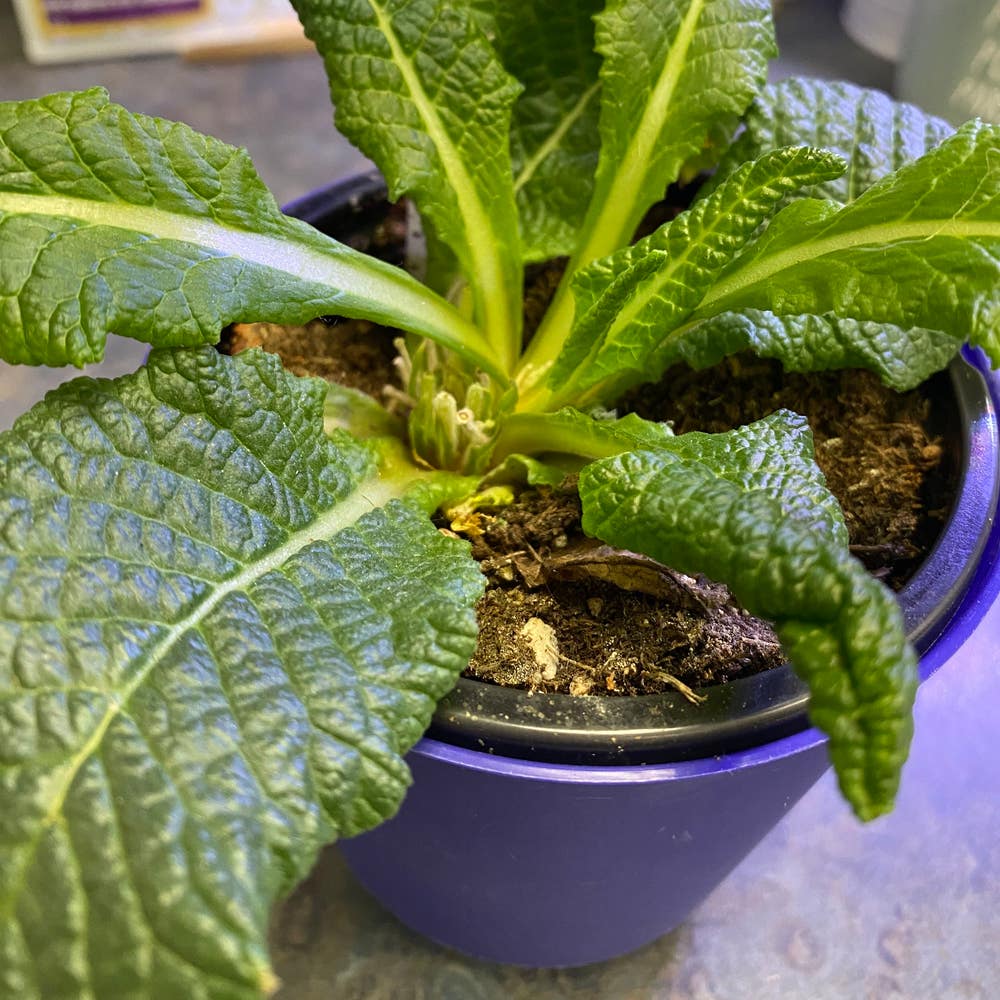
5 Tips for Healthy Primula Roots 🥕
Primula chionantha subsp. sinopurpurea
By the Greg Editorial Team
Nov 22, 2024•7 min read
This article was created with the help of AI so we can cover more plants for you. May contain errors. See one? Report it here.
Master Primula's unique root systems 🌱 to ensure vibrant blooms and resilient growth in your garden!
- 🌱 Primula roots are unique, with fibrous and rhizomatous types for growth and survival.
- 💧 Moist, well-draining soil is vital; overwatering causes yellowing leaves and wilting.
- 🌼 Healthy roots ensure vibrant flowers; monitor root health for thriving Primula plants.
Root System Characteristics
Root Type and Characteristics 🌱
Primula plants have a fascinating root system that consists of both fibrous and rhizomatous roots.
Fibrous Roots
The fibrous roots are shallow yet spread extensively, allowing for efficient nutrient and water uptake. This characteristic makes them particularly adept at thriving in various soil conditions.
Rhizomatous Roots
On the other hand, the rhizomatous roots can produce new shoots from underground stems. This ability is a clever adaptation that helps Primula survive in moist, shaded environments, ensuring they can flourish even in less-than-ideal conditions.
Understanding these root types is crucial for nurturing healthy Primula plants. Their unique characteristics not only support growth but also enhance resilience against environmental stressors.
As we explore further, we’ll delve into the typical root depth, spread, and growth patterns that define these remarkable plants.
Root Depth, Spread, and Growth Patterns
Typical Root Depth and Spread 🌱
Primula plants typically develop a root depth of 6 to 12 inches, which can vary based on soil conditions. Their roots can spread impressively, extending up to 24 inches in diameter, allowing them to efficiently access nutrients and moisture.
Growth Patterns 🌼
Primula exhibits remarkable growth habits, particularly their ability to regenerate rapidly after experiencing stress, such as drought or pest damage. Seasonal growth patterns are closely tied to temperature and moisture levels, showcasing their adaptability to changing environments.
Additionally, these plants have evolved to cope with soil compaction and retain moisture effectively. This resilience ensures that Primula can thrive even in less-than-ideal conditions, making them a favorite among gardeners seeking hardy yet beautiful blooms.
As we explore further, understanding how to care for these roots will enhance your gardening success.
Watering, Fertilizing, and Transplanting
💧 Watering Practices
Primula plants thrive in consistently moist but well-draining soil. Overwatering can lead to yellowing leaves and wilting, so it's essential to monitor moisture levels carefully.
🌱 Fertilization Techniques
For optimal growth, use balanced NPK fertilizers during the growing season. Organic options like compost tea and fish emulsion are excellent alternatives, providing nutrients without harsh chemicals.
Timing is crucial; fertilize every 4-6 weeks during active growth to keep your Primula healthy and vibrant. This regular feeding schedule supports robust root development and lush foliage.
🌼 Best Practices for Transplanting
Transplanting Primula requires careful timing and technique. Aim for early spring or fall to minimize stress on the plant.
Before moving your Primula, water it thoroughly to ease the transition. When transplanting, gently loosen the root ball to maintain root integrity and replant at the same depth in the new location.
By following these watering, fertilizing, and transplanting practices, you can ensure your Primula roots remain healthy and strong. This foundation will set the stage for addressing common root-related issues, which we'll explore next.
Common Root-Related Issues
Identifying Root Rot and Other Diseases 🌱
Root rot is a common issue that can plague Primula plants. The telltale signs include dark, mushy roots and a foul odor, which indicate that the roots are decaying.
Wilting can also occur, even when the soil is adequately watered. This paradox often leaves gardeners puzzled, but it's a clear signal that something is amiss below the surface.
Fusarium wilt and Pythium root rot are two prevalent diseases that can affect Primula roots. Both can lead to significant plant stress and, if left unchecked, may result in plant death.
Solutions for Preventing Problems 🛠️
Preventing root-related issues starts with ensuring well-draining soil. This is crucial to avoid waterlogging, which can suffocate roots and promote rot.
Regular inspections during repotting can help catch any signs of disease early. Look for discoloration or unusual textures in the roots.
Using sterilized tools is another essential practice. This simple step can prevent the introduction of pathogens that could harm your plants.
By following these best practices, you can maintain healthy roots and promote vibrant growth in your Primula plants. With a little care and attention, you can keep your plants thriving and free from root-related issues.
As we move forward, let's explore how to identify indicators of root health to ensure your Primula continues to flourish.
Indicators of Root Health
👀 Visual Cues of Healthy vs. Unhealthy Roots
Healthy Primula roots are a sight to behold. They should be firm and exhibit a white or light tan color, indicating vitality and strength.
In contrast, unhealthy roots present a troubling picture. Look for dark, mushy textures and foul smells, which signal decay. If your plant shows signs of stunted growth or wilting, it’s a clear warning that something is amiss below the surface.
📊 Other Indicators
Beyond root appearance, overall plant vigor is a crucial indicator of health. Lush foliage and vibrant flowering suggest that your Primula is thriving.
Additionally, pay attention to soil moisture levels. Consistent moisture is essential, but be cautious of waterlogging, which can lead to root problems. Keeping these factors in check will help ensure your Primula remains healthy and robust.
As we explore further, understanding rootbound plants will provide additional insights into maintaining optimal root health.
Rootbound Plants
📖 Definition and Causes
Rootbound plants are those whose roots have outgrown their containers, causing them to circle around the pot. This situation is particularly common in container-grown Primula, where the roots become restricted, leading to stunted growth.
🔍 Signs of a Rootbound Plant
Identifying a rootbound plant is straightforward. Look for roots emerging from the drainage holes, which is a clear sign of overcrowding. Additionally, if your Primula shows stunted growth or wilting despite regular watering, it’s likely struggling with root confinement.
🛠️ Solutions for Managing Rootbound Plants
To help your Primula thrive again, consider these effective strategies:
-
- Select a pot that is 1-2 inches larger in diameter to give the roots room to expand.
- Before replanting, gently loosen any circling roots to encourage new growth.
-
- If the roots are excessively long, trim them back. This encourages the plant to develop new, healthier roots.
By addressing rootbound issues promptly, you can ensure your Primula continues to flourish. This proactive approach not only enhances root health but also promotes overall plant vitality.
As you care for your Primula, keep an eye on its root health to prevent future complications. Next, let’s explore the importance of root health in propagation and division.
Propagation and Division
Importance of Root Health 🌱
Healthy roots are the backbone of successful propagation. They ensure that new plants can thrive and establish themselves in their new environments.
To maintain root integrity during propagation, handle the roots with care. This minimizes stress and promotes better growth in the divided sections.
Techniques for Dividing ✂️
Timing: The best time to divide Primula is in early spring or fall. This timing allows the plant to recover quickly and take advantage of optimal growing conditions.
Method:
- Start by carefully digging up the plant.
- Use a clean, sharp knife to divide the root ball into sections.
- Ensure that each section has healthy roots and foliage for the best chance of survival.
Replanting:
- Space the divisions appropriately to allow for growth.
- Water thoroughly after replanting to encourage establishment and help the new plants settle in.
By following these techniques, you can successfully propagate Primula and enjoy a flourishing garden. Next, let’s explore how to identify and manage root-related issues that may arise during your gardening journey.
⚠️ Safety First
This content is for general information and may contain errors, omissions, or outdated details. It is not medical, veterinary advice, or an endorsement of therapeutic claims.
Always consult a qualified healthcare professional before using any plant as food, medicine, or supplement.
Never eat any plant (or feed one to pets) without confirming its identity with at least two trusted sources.
If you suspect poisoning, call Poison Control (800) 222-1222, the Pet Poison Helpline (800) 213-6680, or your local emergency service immediately.
Spotted an error? Please report it here.
Nurture your Primula's root health 🌿 with Greg's tailored care reminders and expert tips, ensuring your plants thrive with lush foliage and vibrant blooms!