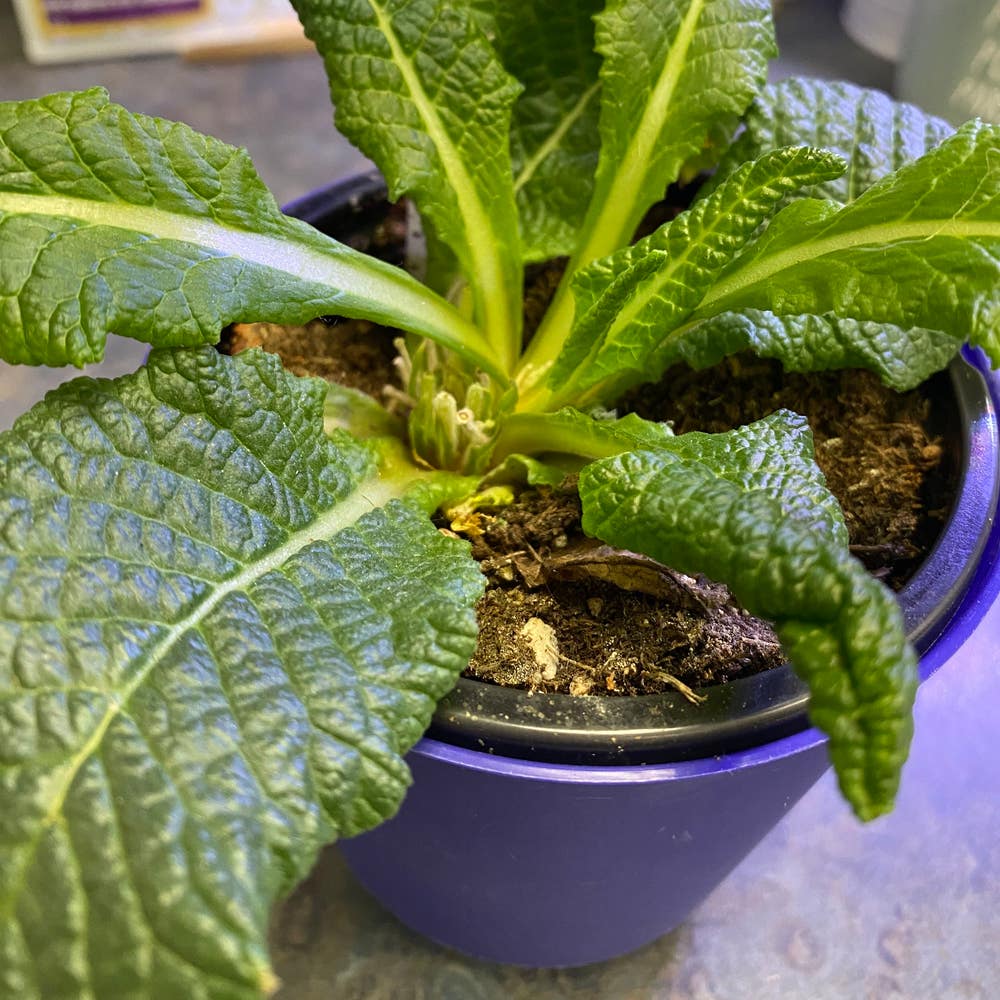
🌸 How to Cure Leaves Falling Over on Your Primula
Primula chionantha subsp. sinopurpurea
By the Greg Editorial Team
Nov 22, 2024•5 min read
This article was created with the help of AI so we can cover more plants for you. May contain errors. See one? Report it here.
Transform your Primula care routine 🌱 with essential tips for vibrant growth and lasting health!
- 💧 Overwatering and underwatering cause drooping leaves; adjust your watering schedule accordingly.
- ☀️ Insufficient light leads to pale leaves; ensure bright, indirect light for your Primula.
- 🐛 Regular pest inspections prevent damage; treat infestations early for healthier plants.
Diagnosing the Problem
🚰 Signs of overwatering
Overwatering is a common issue for Primula plants. Look for visual indicators such as wilting leaves despite wet soil, yellowing foliage, and signs of root rot.
To confirm overwatering, perform a soil test. Check for a soggy texture and a foul odor, which can indicate that the roots are drowning.
💧 Signs of underwatering
On the flip side, underwatering can also lead to drooping leaves and dry soil. If you notice crispy edges on the leaves, it’s a clear sign that your Primula needs more water.
Conduct a soil test to assess the situation. If the soil feels dry and compacted, it’s time to adjust your watering routine.
💡 Identifying light issues
Light is crucial for the health of your Primula. Symptoms of inadequate light include stretched growth, pale foliage, and drooping leaves.
To assess light conditions, observe your plant's location throughout the day. Ensure it receives enough bright, indirect sunlight to thrive.
🐛 Recognizing pest damage
Pests can wreak havoc on your Primula. Signs of infestation include visible pests, sticky residue on leaves, and discoloration.
To catch problems early, conduct weekly inspections. This proactive approach helps you address any pest issues before they escalate.
🌱 Assessing soil health
Healthy soil is vital for your Primula's growth. Start by evaluating the soil texture; check for proper drainage and compaction.
The recommended soil type for Primula is a well-draining, moisture-retentive mix. This ensures your plant has the right environment to flourish.
By diagnosing these issues early, you can take the necessary steps to restore your Primula's health. Next, we'll explore effective solutions and treatments to help your plant thrive.
Solutions and Treatments
🌊 Adjusting watering practices
Establishing a proper watering schedule is crucial for your Primula's health. Water the plant when the top inch of soil feels dry to the touch.
To ensure you're on the right track, use the finger test: insert your finger into the soil to check moisture levels. Remember to adjust your watering frequency based on the season; increase it during warm months and decrease it in cooler months.
☀️ Improving light exposure
Light is essential for your Primula's vitality. If your plant isn't thriving, consider relocating it to a brighter spot that receives indirect sunlight.
During darker months, you might want to use grow lights to supplement natural light. Additionally, rotating the plant regularly will help ensure even light exposure on all sides, promoting balanced growth.
🌱 Fertilizing for health
Fertilization plays a key role in supporting your Primula's growth. Choose a balanced NPK formula, such as 10-10-10, to provide essential nutrients.
Apply the fertilizer during the growing season every 4-6 weeks. Always follow the application instructions carefully, diluting as recommended to avoid root burn.
🐛 Treating pests and diseases
Identifying pests or diseases early can save your Primula from significant damage. Conduct a visual inspection to spot any signs of infestation or disease.
Once identified, apply appropriate treatments: use insecticidal soap for pests and fungicides for diseases. After treatment, monitor your plant's progress to check for improvement.
🌿 Soil amendments and repotting
Healthy soil is the foundation of a thriving Primula. Start by assessing the soil condition for compaction and drainage issues.
If necessary, repot your plant using fresh, well-draining soil mix. You can also amend the soil by adding perlite or sand to improve drainage, ensuring your Primula has the best environment to flourish.
With these solutions in place, your Primula will be on the path to recovery. Next, let’s explore preventative measures to keep your plant healthy and vibrant in the long run.
Preventative Measures
Best practices for Primula care 🌱
To keep your Primula thriving, establish a consistent watering schedule. This helps avoid the extremes of wet and dry soil that can stress the plant.
Ensure your Primula receives adequate light by placing it in a suitable spot in your home. Bright, indirect light is ideal for promoting healthy growth and vibrant blooms.
Seasonal adjustments for Primula 🌦️
As the seasons change, so should your watering frequency. Increase watering during the growing season when the plant is actively growing and decrease it during dormancy.
Keep an eye on temperature fluctuations, as Primula is sensitive to extreme heat or cold. Protect your plant from drafts and sudden temperature changes to maintain its health.
Monitoring environmental conditions 🌡️
Primula thrives in moderate humidity levels, ideally between 40-60%. Regularly check humidity levels to ensure your plant is comfortable.
Using a hygrometer can help you maintain optimal indoor conditions. This simple tool allows you to monitor humidity and make adjustments as needed.
Regular inspection for pests 🐛
Schedule weekly checks to look for signs of pests or diseases. Early detection is key to preventing infestations from escalating.
If you spot any issues, implement early intervention strategies. Treating problems promptly can save your Primula from serious damage and keep it looking its best.
By following these preventative measures, you can create a nurturing environment for your Primula. This proactive approach will help you enjoy a flourishing plant while minimizing potential issues.
Common Misconceptions
🌱 Myths about Primula care
One common myth is that Primula can thrive in direct sunlight. In reality, these plants prefer bright, indirect light to avoid leaf burn.
🐛 Misunderstanding leaf drop causes
Another misconception is that leaf drop is always due to pests. However, it can also result from overwatering, underwatering, or inadequate light conditions.
💧 Clarifying watering needs
Many believe that watering daily is necessary for Primula. The truth is, you should only water when the top inch of soil is dry to prevent root rot.
Understanding these misconceptions can help you provide better care for your Primula, ensuring they remain healthy and vibrant. Next, let’s explore preventative measures to keep your plants thriving.
⚠️ Safety First
This content is for general information and may contain errors, omissions, or outdated details. It is not medical, veterinary advice, or an endorsement of therapeutic claims.
Always consult a qualified healthcare professional before using any plant as food, medicine, or supplement.
Never eat any plant (or feed one to pets) without confirming its identity with at least two trusted sources.
If you suspect poisoning, call Poison Control (800) 222-1222, the Pet Poison Helpline (800) 213-6680, or your local emergency service immediately.
Spotted an error? Please report it here.
Keep your Primula thriving 🌱 by using Greg's tailored care reminders to master watering, light exposure, and pest inspections for vibrant, healthy leaves!