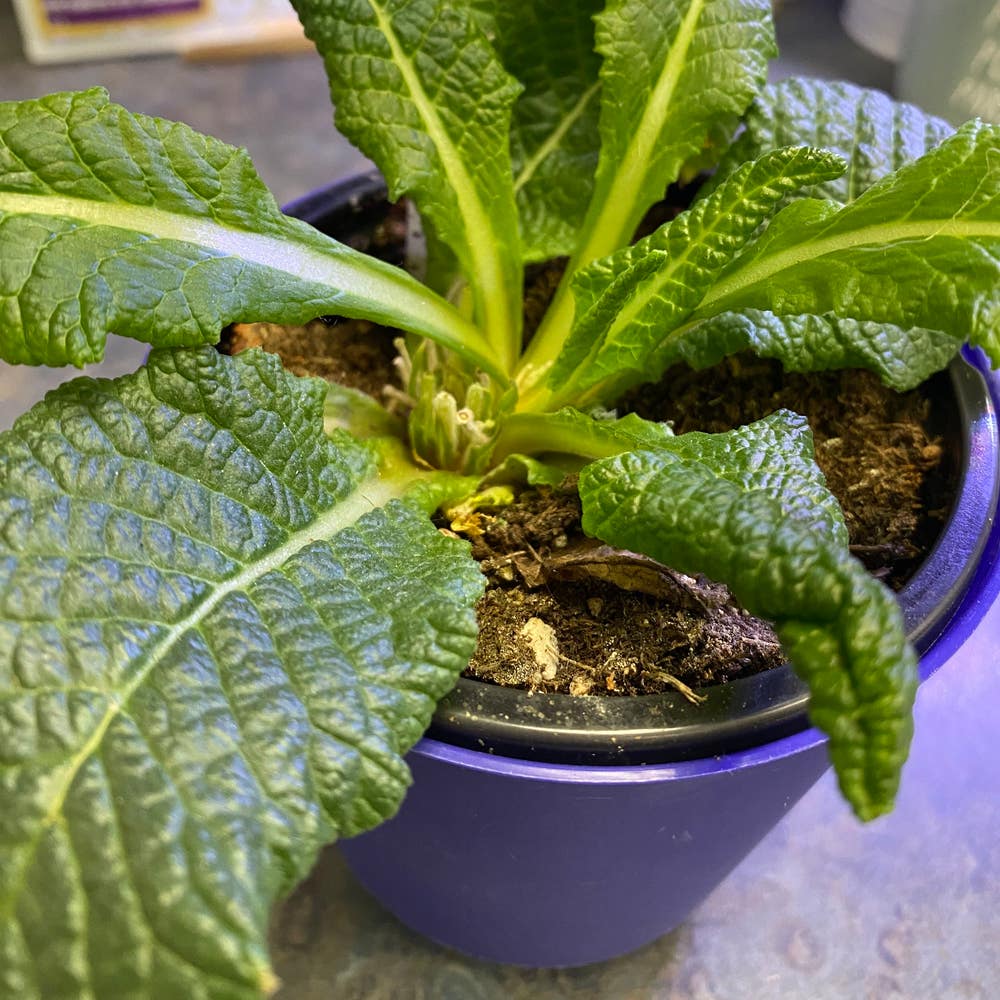
3 Quick Fixes for Primula Bloom Problems 🌸
Primula chionantha subsp. sinopurpurea
By the Greg Editorial Team
Nov 22, 2024•5 min read
This article was created with the help of AI so we can cover more plants for you. May contain errors. See one? Report it here.
Unlock vibrant blooms for your Primula 🌸 by mastering light, nutrition, and watering techniques!
- 🌞 Bright, indirect sunlight is essential for thriving Primula blooms.
- 🌱 Nutritional deficiencies hinder growth; use balanced fertilizers for vibrant flowers.
- 💧 Proper watering techniques prevent root issues and promote healthy blooming.
Failure to Bloom
🌞 Causes of Failure to Bloom
Insufficient Light
Primula species thrive in bright, indirect sunlight. When they don’t receive enough light, their bloom cycle can stall, leading to disappointing results.
Poor Nutrition
Essential nutrients play a crucial role in flowering. A lack of these nutrients can manifest as stunted growth or fewer blooms, signaling that your Primula needs a nutritional boost.
Incorrect Watering
Watering practices significantly impact flower development. Both overwatering and underwatering can stress the plant, causing it to withhold blooms as a survival mechanism.
💡 Solutions for Failure to Bloom
Adjusting Light Exposure
To encourage blooming, ensure your Primula gets bright, indirect sunlight. If necessary, relocate your plants to a sunnier spot, keeping them away from harsh direct rays.
Fertilization Tips
Using the right fertilizers can make a world of difference. Opt for balanced fertilizers specifically designed for flowering plants and follow a regular fertilization schedule to promote vibrant blooms.
Watering Techniques
Establish a consistent watering routine to keep your Primula happy. Aim for moist soil without waterlogging, as this balance is key to supporting healthy flower development.
By addressing these common issues, you can help your Primula flourish and enjoy a beautiful display of blooms. Next, let’s explore the causes and solutions for premature flower drop, ensuring your plants stay vibrant and healthy.
Premature Flower Drop
🌪️ Causes of Premature Flower Drop
Environmental Stress
Primula plants can be sensitive to their surroundings. Temperature fluctuations and changes in humidity can create stress, leading to flower drop.
Stress affects flower retention, causing blooms to fall before they fully develop. Keeping a stable environment is crucial for maintaining healthy flowers.
Overwatering
Overwatering is a common issue that can lead to bud drop. Signs include yellowing leaves and wilting, indicating that the roots are struggling.
Healthy roots are essential for flower longevity. If the roots are compromised, the plant may shed its blooms prematurely.
Pest Infestations
Pests can wreak havoc on Primula flowers. Common culprits include aphids and spider mites, which can stress the plant and lead to flower loss.
Look for symptoms like discolored leaves or webbing. Early detection is key to preventing further damage.
🛠️ Solutions for Premature Flower Drop
Identifying Stress Factors
Assessing environmental conditions is the first step in addressing premature flower drop. Check for temperature extremes and humidity levels that may be affecting your Primula.
Making adjustments, such as relocating the plant or using a humidifier, can help mitigate stress. A stable environment promotes better flower retention.
Proper Watering Practices
Establishing a consistent watering routine is vital. Water your Primula when the top inch of soil feels dry, ensuring you don’t overwater.
Good drainage is essential to prevent waterlogging. Choosing the right soil type can also enhance drainage and root health.
Pest Control Methods
Regular monitoring for pests is crucial. If you spot any, consider using organic options like neem oil or insecticidal soap.
Preventive measures, such as keeping the area clean and removing debris, can help deter pests. A proactive approach ensures your Primula remains healthy and vibrant.
By addressing these factors, you can significantly reduce the chances of premature flower drop. Next, let’s explore solutions for abnormal flower development to ensure your Primula thrives beautifully.
Abnormal Flower Development
🌱 Causes of Abnormal Flower Development
Nutrient Deficiencies
Primula plants require specific nutrients for optimal flower formation. A lack of key nutrients like nitrogen, phosphorus, and potassium can lead to stunted growth and poor flower quality.
Symptoms of nutrient deficiencies often manifest as discolored leaves, reduced flower size, or even failure to bloom altogether. Recognizing these signs early can help you take corrective action.
Improper Pruning
Incorrect pruning techniques can severely affect the structure and health of Primula flowers. If you prune too aggressively or at the wrong time, you may hinder the plant's ability to produce blooms.
Timing is crucial; pruning should generally be done after flowering to promote new growth. Familiarizing yourself with effective pruning methods can make a significant difference in flower development.
Temperature Fluctuations
Primula thrives within specific temperature ranges, typically between 60°F and 70°F (15°C to 21°C). Extreme temperature changes can stress the plant, leading to abnormal flower development.
Both high and low temperatures can disrupt the blooming cycle, causing flowers to drop prematurely or develop abnormally. Maintaining a stable environment is essential for healthy blooms.
💡 Solutions for Abnormal Flower Development
Nutrient Management
To ensure your Primula receives the right nutrients, consider using balanced fertilizers specifically formulated for flowering plants. Look for options that contain a mix of nitrogen, phosphorus, and potassium.
Soil testing is vital for understanding your plant's nutrient needs. Regularly check soil pH and nutrient levels to maintain a healthy balance.
Pruning Guidelines
Adopting best practices for pruning can significantly enhance flower production. Always use clean, sharp tools and make cuts at a 45-degree angle to promote healing.
Seasonal timing is also important; prune after flowering to encourage new growth. This approach will help your Primula flourish in the next blooming cycle.
🌡️ Temperature Regulation
To maintain stable temperatures for your Primula, consider using thermometers to monitor conditions. If growing indoors, avoid placing plants near drafts or heat sources.
During extreme weather, protective measures like row covers or greenhouses can shield your plants. Keeping your Primula in a controlled environment will support healthy flower development.
By addressing these factors, you can help your Primula thrive and produce beautiful blooms. Next, let’s explore how to tackle premature flower drop and ensure your plants remain vibrant throughout their growing season.
⚠️ Safety First
This content is for general information and may contain errors, omissions, or outdated details. It is not medical, veterinary advice, or an endorsement of therapeutic claims.
Always consult a qualified healthcare professional before using any plant as food, medicine, or supplement.
Never eat any plant (or feed one to pets) without confirming its identity with at least two trusted sources.
If you suspect poisoning, call Poison Control (800) 222-1222, the Pet Poison Helpline (800) 213-6680, or your local emergency service immediately.
Spotted an error? Please report it here.
Unlock vibrant Primula blooms 🌸 by using Greg's tailored care reminders and expert tips to meet their unique needs for light, water, and nutrients!