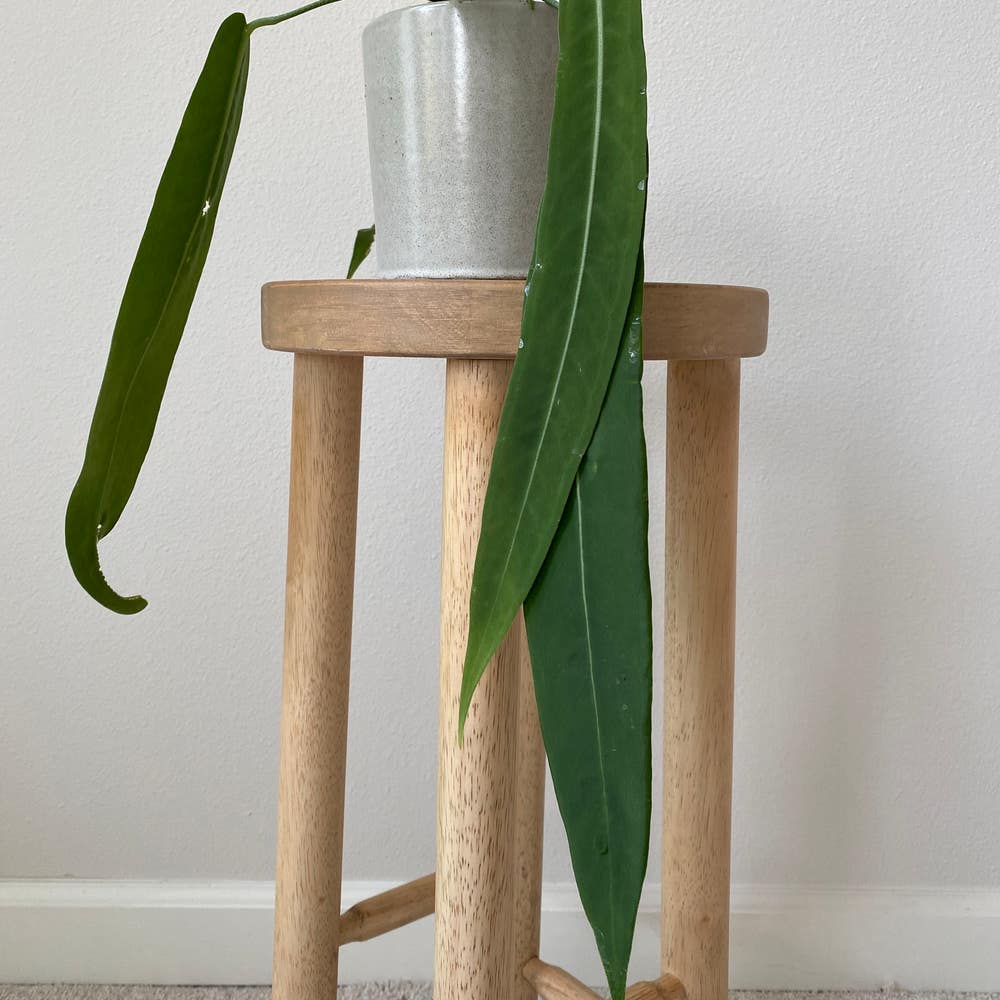
Where to Plant Your Anthurium 🥄
Anthurium pallidiflorum
By the Greg Editorial Team
Oct 18, 2024•3 min read
This article was created with the help of AI so we can cover more plants for you. May contain errors. See one? Report it here.
- 🌞 Anthuriums thrive in indirect sunlight; avoid direct light to prevent leaf burn.
- 🌱 Well-draining, organic-rich soil with pH 5.5-7.0 is essential for growth.
- 🌿 Maintain 12-18 inches spacing for optimal growth and companion planting benefits.
Ideal Locations for Anthurium
☀️ Sunlight Exposure
Anthuriums thrive best in indirect sunlight. While they can tolerate low light, this may hinder their flowering potential.
Direct sunlight can be detrimental, causing leaf burn. It's essential to adjust light exposure with the changing seasons to keep your plant healthy and vibrant.
🌱 Soil Type
For optimal growth, anthuriums require well-draining, organic-rich soil. The ideal soil pH ranges from slightly acidic to neutral, specifically between 5.5 to 7.0.
Proper soil aeration is crucial to prevent root rot and promote healthy growth. This ensures that your anthurium can absorb nutrients effectively.
🌿 Proximity to Other Plants and Structures
When considering where to plant your anthurium, think about companion planting. Ferns are excellent partners, enhancing humidity and adding aesthetic appeal, while peace lilies share similar care requirements.
To avoid overcrowding, maintain a spacing of 12-18 inches apart for optimal growth. Additionally, evaluate nearby structures for their impact on light; shade from buildings and reflective surfaces can significantly affect your plant's health.
By carefully selecting the right location, you can ensure your anthurium flourishes beautifully. Next, let’s explore how to choose the best spot for your plant.
Choosing the Best Spot
Step-by-Step Guide to Site Selection 🌱
Finding the perfect spot for your anthurium is crucial for its health. Start by assessing light availability; morning sun is gentler than afternoon rays.
Next, evaluate soil conditions. Check for texture and drainage to ensure your plant thrives.
Tools for Assessing Light and Soil Conditions 🔧
To get precise measurements, consider using light meters. These handy tools help you gauge light intensity effectively.
For soil analysis, soil test kits are invaluable. They provide insights into pH and nutrient levels, ensuring your anthurium has the right environment.
Seasonal Considerations 🌦️
Seasonal changes can impact your plant's placement. In winter, protect your anthurium from cold drafts to keep it cozy.
During summer, ensure it has adequate shade to prevent overheating. Adjusting its location with the seasons can make all the difference.
By carefully selecting the right spot and considering these factors, your anthurium will flourish beautifully. Next, let’s explore common location challenges and how to overcome them.
Common Location Challenges
Addressing Shade vs. Sun Exposure Issues 🌞
Anthuriums thrive in bright, indirect light. If you notice stunted growth or fewer blooms, your plant may not be getting enough light.
To remedy this, consider relocating your Anthurium to a brighter area. If natural light is limited, using grow lights indoors can be an effective alternative.
Solutions for Poor Drainage Areas 🚰
Poor drainage can be detrimental to your Anthurium's health. Signs include water pooling around the base of the plant, which can lead to root rot.
To improve drainage, consider using raised beds. Alternatively, amend your soil by adding perlite or sand to enhance aeration.
Adapting to Changing Environmental Conditions 🌦️
Environmental changes can impact your Anthurium's well-being. Keep an eye on temperature fluctuations and humidity levels, as these can affect growth.
Seasonal adjustments are crucial; moving your plant as needed can help. Additionally, using humidity trays or misters indoors can create a more favorable environment.
With these strategies, you can tackle common location challenges and ensure your Anthurium thrives. Next, let's explore how to choose the best spot for your plant.
⚠️ Safety First
This content is for general information and may contain errors, omissions, or outdated details. It is not medical, veterinary advice, or an endorsement of therapeutic claims.
Always consult a qualified healthcare professional before using any plant as food, medicine, or supplement.
Never eat any plant (or feed one to pets) without confirming its identity with at least two trusted sources.
If you suspect poisoning, call Poison Control (800) 222-1222, the Pet Poison Helpline (800) 213-6680, or your local emergency service immediately.
Spotted an error? Please report it here.
Create a blooming paradise 🌺 for your anthurium by using Greg's tailored care reminders and soil testing tips to ensure it thrives in the perfect light and soil conditions!