🌺 Anthurium Is Not an Annual
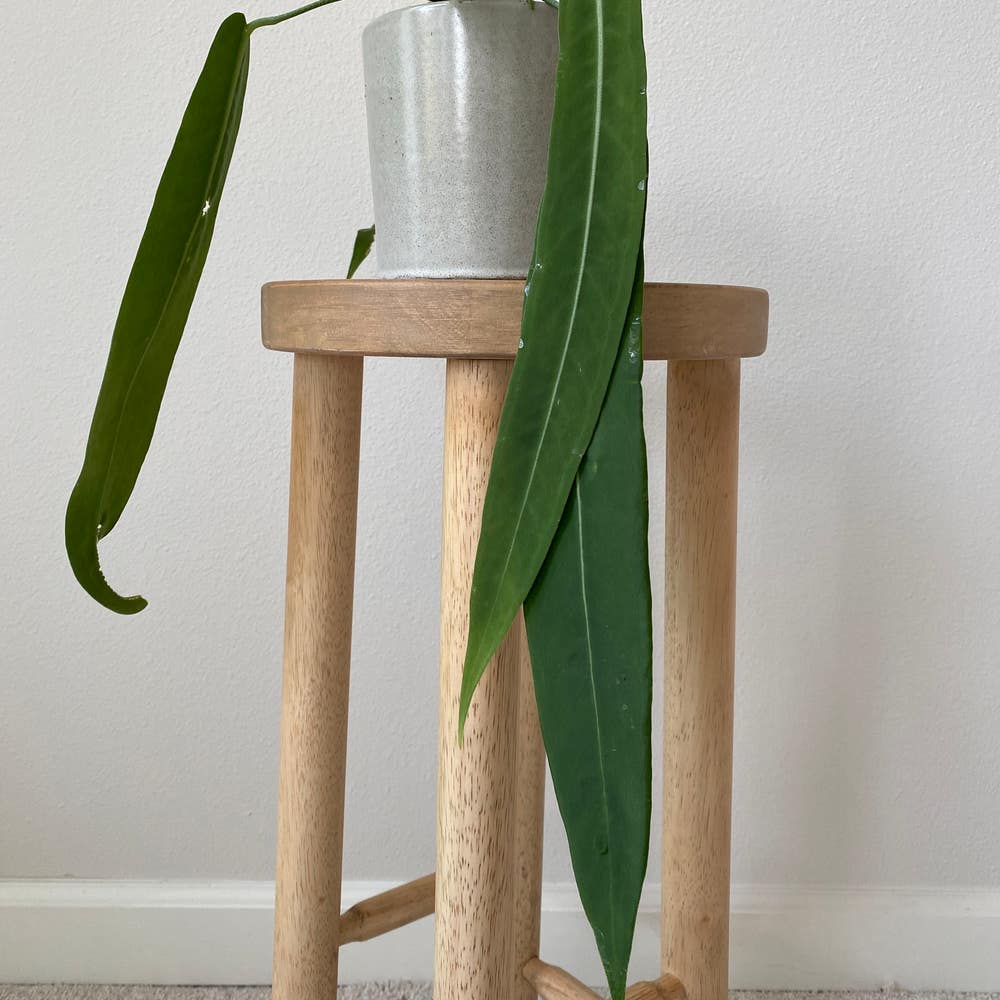
Anthurium pallidiflorum
By the Greg Editorial Team
Oct 18, 2024•5 min read
This article was created with the help of AI so we can cover more plants for you. May contain errors. See one? Report it here.
- 🌱 Anthuriums are perennials, thriving for over a decade with proper care.
- 🌿 Unique chromosome structure enhances adaptability in tropical environments.
- 🌼 Year-round flowering is possible, especially in optimal conditions.
Anthurium's Perennial Nature
🌱 Genetic Characteristics
Anthuriums are fascinating due to their chromosome structure, which often exhibits polyploidy. This genetic diversity enhances their adaptability, allowing them to thrive in various tropical environments.
Their adaptations include traits that help them survive in humid, warm climates. These features make them resilient and capable of enduring challenging conditions.
🌿 Physiological Traits Supporting Perennial Growth
The leaf structure of anthuriums is heart-shaped, optimizing photosynthesis. This design is crucial for their energy production, especially in low-light conditions.
Additionally, their root system is robust and extensive. This allows for efficient nutrient and water absorption, supporting their long-term growth.
⏳ Long-term Lifecycle and Growth Patterns
Anthuriums can thrive for many years, often exceeding a decade in lifespan. Their growth follows distinct phases: juvenile, mature, and flowering stages.
During the seasonal growth, they are most active in warm, humid months. This cycle ensures they maximize their potential throughout the year, showcasing their perennial nature.
With this understanding of anthurium's unique characteristics, we can explore their reproductive strategies next.
Reproductive Strategies
🌸 Flowering Cycles and Seed Production
Anthuriums are remarkable for their year-round flowering potential, especially under optimal conditions. This continuous bloom not only enhances their aesthetic appeal but also supports their reproductive success.
Seed production in Anthuriums involves both self-pollination and cross-pollination. This dual mechanism increases genetic diversity and ensures the survival of the species in varying environments.
🌱 Adaptations for Survival
Anthuriums exhibit impressive environmental resilience, thriving in diverse humidity and temperature ranges. This adaptability allows them to flourish in both tropical and subtropical climates.
Their reproductive strategies also include attracting pollinators and utilizing effective seed dispersal mechanisms. These adaptations ensure that Anthuriums can propagate successfully, even in challenging conditions.
As we explore the misconceptions surrounding Anthuriums, it’s essential to understand how these reproductive strategies contribute to their classification as perennials.
Misconceptions and Exceptions
🌱 Situations Where Anthurium May Be Treated as an Annual
Anthuriums can sometimes be mistaken for annuals, especially in colder climates. Here, the chill can lead to seasonal dieback, causing gardeners to believe these vibrant plants are short-lived.
Cultural practices also play a significant role. Many people misunderstand how to care for Anthuriums, leading to neglect that can further reinforce the idea that they are not perennials.
🌍 Regional Variations Affecting Classification
The climate significantly impacts how Anthuriums are perceived. In tropical regions, they thrive year-round, while in temperate areas, their growth can be stunted by colder temperatures.
Local gardening practices also influence this perception. If care routines don't align with the plant's needs, it can lead to misconceptions about its longevity and classification as an annual.
Understanding these factors can help gardeners appreciate the true nature of Anthuriums and their potential for long-term growth. This knowledge sets the stage for exploring how to incorporate these stunning plants into garden designs effectively.
Garden Design Implications
Benefits of Incorporating Anthurium 🌺
Anthuriums are a fantastic addition to any garden, thanks to their vibrant flowers and unique foliage. Their striking appearance not only enhances visual interest but also ensures a reliable presence year after year.
Planning for Long-term Growth 🌱
When incorporating Anthurium into your garden, consider their specific light and humidity needs. Proper placement is crucial for their health and longevity, allowing them to thrive and contribute to your garden's beauty.
Seasonal Interest 🌼
Anthuriums offer year-round visual appeal through their flowering cycles. This means you can enjoy their stunning blooms in various seasons, adding dynamic color to your landscape.
Companion Planting with Perennials 🌿
Pairing Anthurium with other tropical plants can create a lush, vibrant garden. Ideal companions include species that thrive in similar conditions, enhancing the overall aesthetic and health of your garden.
Benefits of Biodiversity 🌍
Incorporating diverse plant species not only beautifies your space but also promotes biodiversity. This can lead to improved pest control and a healthier garden ecosystem, making your Anthurium even more resilient.
By thoughtfully integrating Anthurium into your garden design, you can create a stunning, sustainable landscape that flourishes through the seasons. Next, let’s explore how to maximize the longevity of your Anthurium plants for years of enjoyment.
Maximizing Longevity
Tips for Managing Anthurium as a Perennial 🌱
To keep your Anthurium thriving, focus on consistent watering practices. Aim for moist soil without waterlogging, as too much water can lead to root rot.
Fertilization is equally important for long-term growth. Use a balanced nutrient mix to support healthy foliage and vibrant blooms.
Seasonal Care Considerations ❄️
During winter, protect your Anthurium from cold drafts. Maintaining humidity is crucial, so consider using a humidifier or pebble tray.
In summer, keep an eye out for pests. Ensure your plant receives adequate light while monitoring for any signs of distress.
Common Challenges and Solutions 🐛
Pests can be a nuisance, but identifying them early is key. Use organic control methods to keep your plant healthy without harsh chemicals.
Diseases can also pose challenges. Prevention strategies, such as proper watering and air circulation, can help mitigate risks and keep your Anthurium flourishing.
By following these tips, you can enjoy the beauty of your Anthurium for years to come. Next, let’s explore the fascinating reproductive strategies that ensure its survival.
⚠️ Safety First
This content is for general information and may contain errors, omissions, or outdated details. It is not medical, veterinary advice, or an endorsement of therapeutic claims.
Always consult a qualified healthcare professional before using any plant as food, medicine, or supplement.
Never eat any plant (or feed one to pets) without confirming its identity with at least two trusted sources.
If you suspect poisoning, call Poison Control (800) 222-1222, the Pet Poison Helpline (800) 213-6680, or your local emergency service immediately.
Spotted an error? Please report it here.
Anthuriums are long-lasting perennials 🌱 that thrive with proper care, and Greg can help you succeed by providing personalized watering reminders and expert tips to keep your plants vibrant year-round!