🌺 Step-by-Step Guide for When to Plant Anthurium
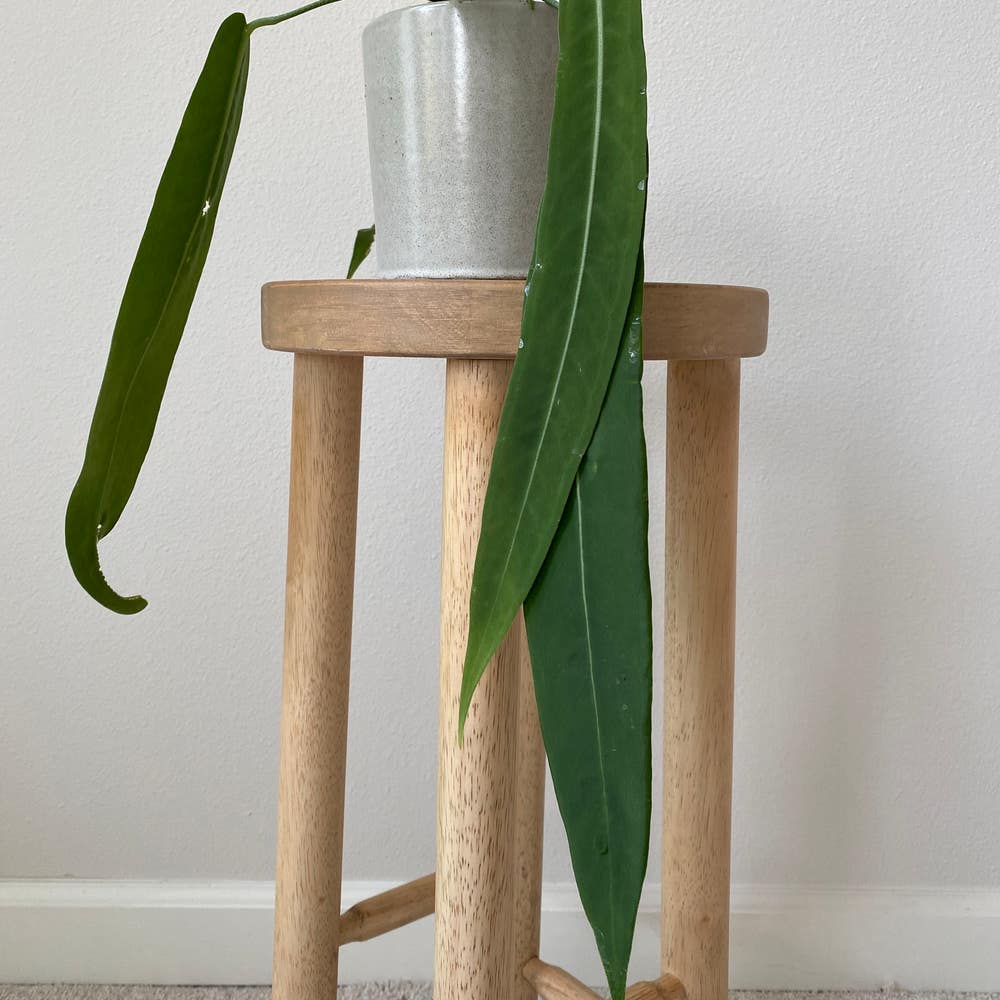
Anthurium pallidiflorum
By the Greg Editorial Team
Oct 18, 2024•6 min read
This article was created with the help of AI so we can cover more plants for you. May contain errors. See one? Report it here.
- ❄️ Know your local frost dates to protect your Anthurium from damage.
- 🌡️ Soil temperature above 65°F ensures optimal growth for your Anthurium.
- 🌞 12 to 14 hours of daylight are crucial for thriving Anthurium plants.
Frost Dates and Their Importance
🌨️ Understanding Frost Dates
Frost dates mark the last frost in spring and the first frost in fall. Knowing these dates is crucial for planting Anthurium, as they are sensitive to frost and thrive best when planted after the last frost date.
To find your local frost dates, check with agricultural extensions or use online planting calendars. These resources provide tailored information based on your region, helping you make informed planting decisions.
❄️ Why Frost Dates Matter
Planting Anthurium too early can expose them to frost damage, stunting their growth or even killing the plants. By timing your planting around frost dates, you ensure a healthier start for your Anthurium.
Understanding frost dates not only protects your plants but also optimizes their growth potential. This knowledge empowers you to cultivate a thriving garden, filled with vibrant Anthurium blooms.
📅 Practical Tips for Monitoring Frost Dates
- Stay Informed: Regularly check local weather forecasts as the planting season approaches.
- Use Alerts: Set up frost alerts on weather apps to receive timely notifications.
By staying proactive, you can confidently plan your planting schedule, ensuring your Anthurium gets the best start possible.
With frost dates understood, let’s explore the next critical factor: soil temperature considerations.
Soil Temperature Considerations
Ideal Soil Temperature for Planting 🌡️
To ensure your Anthurium thrives, aim for a soil temperature above 65°F (18°C). This warmth is crucial for germination and healthy growth.
Methods to Measure Soil Temperature 📏
You can easily check soil temperature using a soil thermometer or digital probes. These tools provide accurate readings, helping you determine the best planting time.
Importance of Soil Temperature 🔥
Soil temperature significantly impacts seed germination rates and overall plant health. Warmer soil encourages faster growth, while cooler temperatures can hinder development.
Understanding these factors will set you up for success in your Anthurium planting journey. Next, let’s explore how day length influences growth and flowering.
Day Length and Growth
Day Length Requirements 🌞
Photoperiodism is a fascinating phenomenon that describes how plants respond to varying lengths of daylight. For Anthurium, the amount of light it receives directly influences its flowering and overall growth.
To thrive, Anthurium prefers longer days, ideally between 12 to 14 hours of light. This extended exposure encourages vibrant blooms and robust foliage, making it essential for any successful planting strategy.
Seasonal Variations 🍂
As the seasons change, so does the length of daylight. Understanding these variations helps you time your planting effectively.
In spring and summer, days are longer, providing the perfect conditions for your Anthurium. Conversely, shorter days in fall and winter can slow growth, reminding us to plan our planting around these natural cycles.
With this knowledge, you can optimize your planting schedule, ensuring your Anthurium flourishes. Next, let’s explore regional planting recommendations to further refine your timing.
Regional Planting Recommendations
Ideal Months for Planting 🌱
When it comes to planting Anthurium, timing is everything. Here’s a breakdown of the best months for various regions across the U.S.
Florida
In Florida, the ideal planting window is from March to May. The warm temperatures and low frost risk create a perfect environment for your Anthurium to thrive.
California
For California, aim to plant between March and June. The mild climate and extended growing season provide excellent conditions for growth.
Texas
Texas has varied climate zones, so the recommended planting months are March to May. In southern regions, you may even start planting a bit earlier.
New York
In New York, the best time to plant is from late May to June. Be cautious of late frost and ensure the soil temperatures are warm enough for successful growth.
Colorado
For those in Colorado, wait until June to July. The higher elevation and cooler temperatures mean you'll want to ensure all frost-free days have passed before planting.
Ohio
In Ohio, late May to June is the sweet spot for planting. Keep an eye on frost risks and make sure the soil temperature is adequate for your Anthurium.
Understanding these regional recommendations will help you plant at the right time, ensuring your Anthurium flourishes. Next, let’s dive into the differences between starting seeds indoors versus direct sowing.
Seed Starting vs. Direct Sowing
🌱 Benefits of Starting Seeds Indoors
Starting seeds indoors offers several advantages. You create a controlled environment that fosters earlier growth and shields your plants from unpredictable frost.
Timing is crucial here. Aim to start your seeds indoors about 8-10 weeks before the last frost date for optimal results.
⏰ Timing for Direct Sowing
When it comes to direct sowing, timing is everything. Wait until after the last frost date and ensure soil temperatures are consistently above 65°F.
Keep in mind the importance of moisture and warmth. These factors are essential for successful germination and healthy plant development.
With these strategies in mind, you can confidently choose the best method for planting your Anthurium. Next, let’s explore the ideal months for planting in different regions.
Comprehensive Planting Calendar
🌱 Timing Recommendations for All 52 States
When it comes to planting Anthurium, timing is everything. Here’s a detailed breakdown of the ideal months for each state, ensuring you align your planting with local climate conditions and frost dates.
🌍 Northeast Region
- New York: Late May to June. Watch for late frost and ensure soil is warm.
- Pennsylvania: Late May to June. Similar to New York, but slightly warmer.
- Massachusetts: Late May to June. Frost risks linger, so be cautious.
🌾 Midwest Region
- Ohio: Late May to June. Monitor frost dates closely for successful planting.
- Illinois: Late May to June. Ideal for warmer soil temperatures.
- Michigan: June. Wait for frost-free days and warmer soil.
🌞 South Region
- Florida: March to May. Warm temperatures make it perfect for early planting.
- Texas: March to May. Varied climate zones; southern areas can plant earlier.
- Georgia: March to May. Ideal conditions for Anthurium growth.
🏔️ West Region
- California: March to June. Mild climate allows for a longer growing season.
- Colorado: June to July. Higher elevation means waiting for frost-free days.
- Washington: May to June. Ensure soil is warm enough for planting.
🌵 Southwest Region
- Arizona: March to May. Warm temperatures favor early planting.
- Nevada: April to June. Watch for temperature fluctuations.
- New Mexico: April to June. Ideal for consistent warmth.
🌲 Additional States
- Oregon: May to June. Ensure soil temperatures are adequate.
- North Carolina: April to June. Warm conditions promote healthy growth.
- Alaska: June. Short growing season; wait for frost-free days.
🌦️ Local Climate Considerations
Each state has unique climate conditions that influence planting times. Always check local frost dates and soil temperatures before planting.
This comprehensive calendar will help you navigate the best times to plant Anthurium, ensuring you achieve optimal growth and vibrant blooms.
Next, let’s explore the differences between starting seeds indoors and direct sowing, so you can choose the best method for your gardening journey.
⚠️ Safety First
This content is for general information and may contain errors, omissions, or outdated details. It is not medical, veterinary advice, or an endorsement of therapeutic claims.
Always consult a qualified healthcare professional before using any plant as food, medicine, or supplement.
Never eat any plant (or feed one to pets) without confirming its identity with at least two trusted sources.
If you suspect poisoning, call Poison Control (800) 222-1222, the Pet Poison Helpline (800) 213-6680, or your local emergency service immediately.
Spotted an error? Please report it here.
Ensure your Anthurium flourishes with timely planting 🌼 by using Greg for personalized frost alerts and soil temperature reminders tailored to your local conditions!