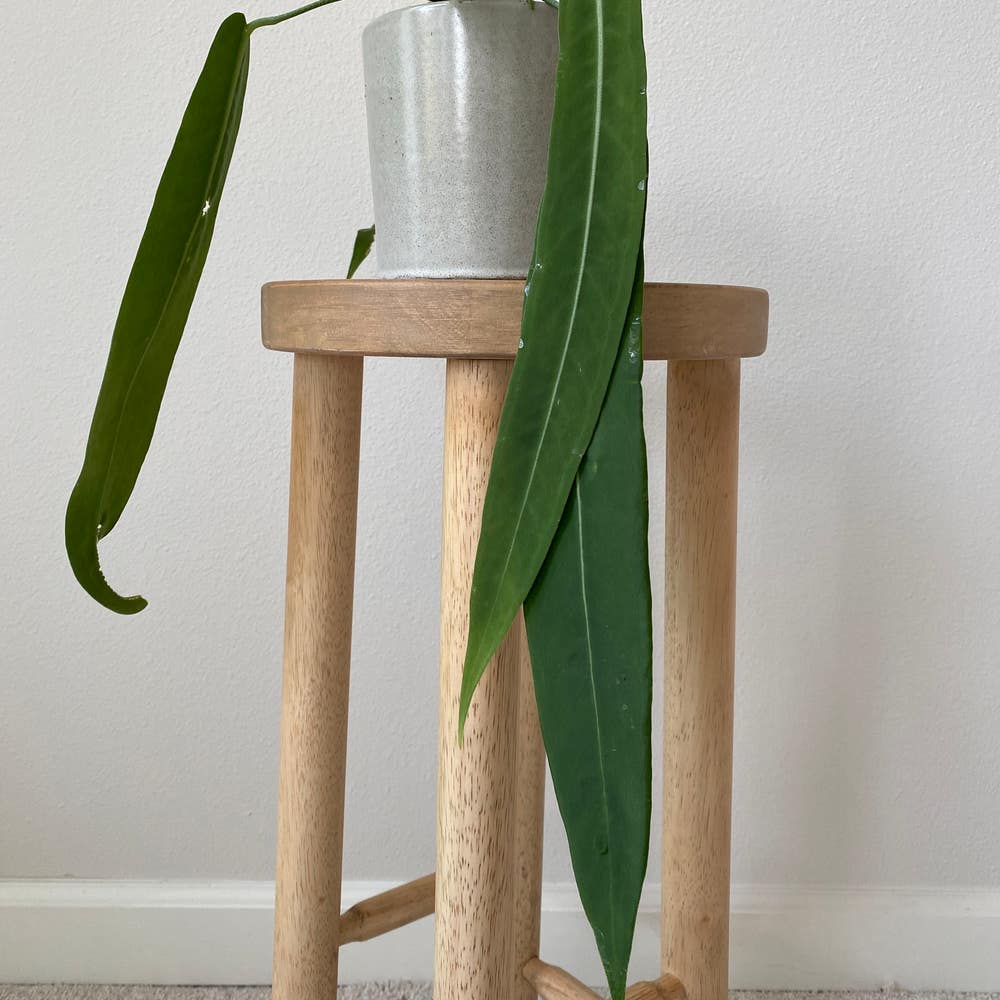
🌺 Understanding Why Your Anthurium Is Wiling
Anthurium pallidiflorum
By the Greg Editorial Team
Oct 18, 2024•5 min read
This article was created with the help of AI so we can cover more plants for you. May contain errors. See one? Report it here.
- 💧🌡️ Wilting in Anthuriums stems from water stress, heat stress, or disease.
- 🌱 Maintain consistently moist soil to prevent drooping leaves and soft stems.
- 🌬️🌿 Ideal conditions: 65°F to 80°F and 60-80% humidity for vibrant Anthuriums.
Common Causes of Wilting Leaves
💧 Water Stress
Water stress is a leading cause of wilting in Anthuriums. Both overwatering and underwatering can lead to drooping leaves, yellowing, and soft stems.
To maintain healthy plants, keep the soil consistently moist but not soggy. Regular checks on moisture levels can help you avoid the pitfalls of water stress.
🌡️ Heat Stress
Excessive heat can also cause your Anthurium to wilt. Signs of heat stress include crispy leaf edges and wilting during peak sunlight hours.
Aim to keep your plant in an ideal temperature range of 65°F to 80°F (18°C to 27°C). This will help ensure your Anthurium thrives without succumbing to heat-related issues.
🦠 Uncommon Causes: Pathogenic Wilt
While less common, pathogenic wilt can occur, especially if your plant isn't receiving proper care. Disease-related wilting is unlikely in well-cared-for plants, but it’s essential to be vigilant.
Maintaining good care practices is crucial to prevent any disease-related issues. Regular monitoring and attention can keep your Anthurium healthy and vibrant.
Understanding these common causes of wilting leaves is the first step in diagnosing and treating your Anthurium. Next, let’s explore how to effectively diagnose wilting in your plant.
Diagnosing Wilting in Anthurium
🕵️♂️ Step-by-Step Guide to Diagnose Wilting
Diagnosing wilting in your Anthurium starts with assessing soil moisture levels. Use a moisture meter or simply stick your finger into the soil to gauge its dampness.
Next, check the environmental conditions surrounding your plant. Ensure that the temperature, humidity, and light exposure are within the ideal ranges for healthy growth.
Inspect the leaves for any signs of pests or disease. Look closely for discoloration, spots, or any unusual textures that could indicate a problem.
Finally, evaluate your recent care routines. Consider how often you water, whether you've fertilized recently, and if you've made any changes to the plant's location.
👀 Signs to Look For in Wilting Leaves
When diagnosing wilting, pay attention to the leaf texture. Are the leaves soft and limp, or are they crispy and dry?
Color changes are also crucial indicators. Look for yellowing or browning, which can signal different issues.
Overall plant posture is another telltale sign. Is your Anthurium drooping or maintaining an upright stance? This can help you pinpoint the cause of wilting.
With these steps and signs in mind, you can effectively diagnose the issues affecting your Anthurium. Understanding these factors will guide you toward the right solutions for reviving your plant.
Solutions for Wilting Leaves
🌊 Addressing Water Stress
Water stress is a common culprit behind wilting leaves.
For overwatering, allow the soil to dry out completely before the next watering. Conversely, if underwatering is the issue, water thoroughly until excess drains from the bottom.
☀️ Managing Heat Stress
Excessive heat can also lead to wilting.
To combat this, relocate your Anthurium to a cooler area with indirect light. Additionally, increase humidity levels using a humidifier or the pebble tray method.
🦠 Solutions for Disease-Related Wilting
If you suspect disease, act quickly.
Remove any affected leaves and treat the plant with appropriate fungicides. Ensuring proper air circulation around the plant can also help prevent fungal growth.
🌱 Techniques for Reviving a Wilted Anthurium
Reviving a wilted Anthurium can be straightforward.
- Bottom watering: Place the pot in a shallow tray of water for 30 minutes.
- Temporary relocation: Move the plant to a shaded area for a few days.
- Pruning: Remove any severely wilted or damaged leaves to encourage new growth.
These techniques can breathe new life into your plant and restore its vitality.
With the right care, your Anthurium can bounce back and thrive. Next, let’s explore preventive measures to keep your plant healthy and vibrant.
Preventive Measures
🌿 Environmental Adjustments to Minimize Wilting
Maintaining consistent humidity levels is crucial for your Anthurium. Aim for a range of 60-80% to keep those leaves perky and vibrant.
Proper drainage in pots is equally important. Ensure your pot has drainage holes to prevent waterlogging, which can lead to root rot and wilting.
🔍 Regular Monitoring and Care Practices
Make it a habit to check soil moisture and environmental conditions weekly. This simple practice can help you catch any issues before they escalate.
Adjust your watering schedule based on seasonal changes. Plants need different care as temperatures fluctuate, so stay attentive to their needs throughout the year.
By implementing these preventive measures, you can create a thriving environment for your Anthurium. This proactive approach will help you enjoy a healthy, beautiful plant for years to come.
Next, let’s explore when it’s time to seek help from experts or the plant care community.
Seeking Help
When to Consult a Local Nursery or Plant Expert 🌱
If your Anthurium shows persistent wilting despite your best care efforts, it’s time to seek professional advice. Unfamiliar symptoms, like unusual spots or rapid leaf drop, may indicate a more serious issue that requires expert intervention.
Engaging with the Online Plant Care Community 💬
Connecting with fellow Anthurium enthusiasts can be incredibly beneficial. Sharing experiences and seeking advice from others can provide fresh insights and solutions.
Platforms like Greg offer reminders and tips tailored to your plant's needs. Engaging with a community not only enhances your knowledge but also fosters a sense of camaraderie among plant lovers.
In the world of plant care, collaboration can lead to thriving plants and shared joy. Don't hesitate to reach out for help; your Anthurium deserves the best care possible.
⚠️ Safety First
This content is for general information and may contain errors, omissions, or outdated details. It is not medical, veterinary advice, or an endorsement of therapeutic claims.
Always consult a qualified healthcare professional before using any plant as food, medicine, or supplement.
Never eat any plant (or feed one to pets) without confirming its identity with at least two trusted sources.
If you suspect poisoning, call Poison Control (800) 222-1222, the Pet Poison Helpline (800) 213-6680, or your local emergency service immediately.
Spotted an error? Please report it here.
Keep your Anthurium thriving 🌿 by using Greg's tailored watering alerts and community insights to master its care and prevent wilting!