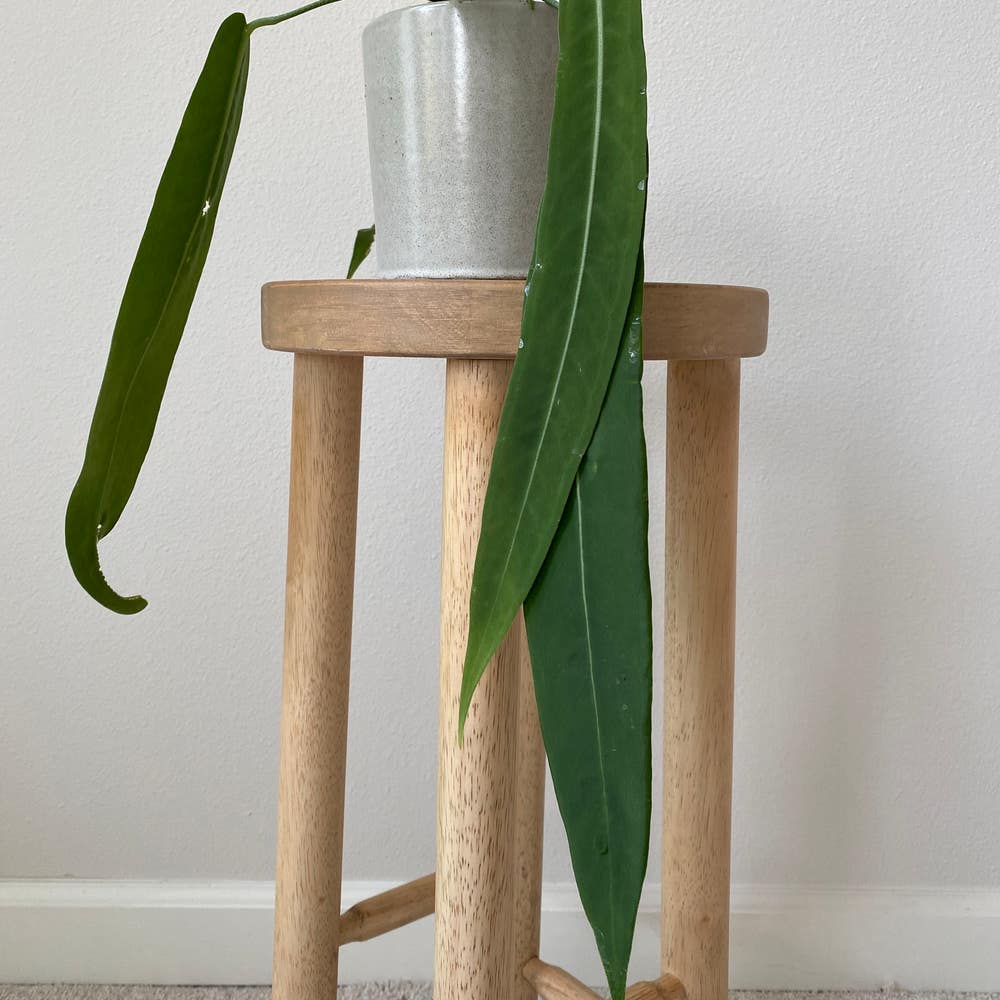
🔍 Identifying What is Eating Your Anthurium
Anthurium pallidiflorum
By the Greg Editorial Team
Oct 18, 2024•6 min read
This article was created with the help of AI so we can cover more plants for you. May contain errors. See one? Report it here.
- 🐾 Identify common herbivores like deer and rabbits that threaten your Anthurium.
- 🌱 Look for signs of damage such as chewed leaves and droppings to act quickly.
- 🚧 Use deterrents like fencing and organic solutions to protect your plants effectively.
Common Herbivores Affecting Anthurium
🦌 Deer
Signs of presence and damage
Look for hoof prints in muddy areas and stripped leaves on lower branches. These signs indicate that deer have been browsing your Anthurium.
Impact on Anthurium
Deer can be quite harmful, often decimating foliage and stunting growth. Their appetite can lead to significant damage, especially in vulnerable plants.
Deterrent methods
To keep deer at bay, consider using commercial deer repellents. Alternatively, you can plant deer-resistant species nearby or use human hair and soap shavings as organic deterrents.
🐇 Rabbits
Signs of presence and damage
Rabbits leave small, round droppings near the plant and create clean cuts on stems and leaves. These signs are clear indicators of their presence.
Impact on Anthurium
Rabbits can severely damage young Anthurium plants. Their nibbling can hinder growth and overall health.
Deterrent methods
For easy deterrence, try rabbit repellents or erect fencing that is 2-3 feet high. Planting rabbit-resistant plants nearby can also help protect your Anthurium.
🐿️ Squirrels
Signs of presence and damage
Squirrels often leave chewed leaves and stems, along with signs of digging around the base of the plant. These activities can be quite damaging.
Impact on Anthurium
Squirrels can cause significant harm to flowers and young shoots. Their foraging can disrupt the plant's growth cycle.
Deterrent methods
Consider using squirrel repellents for a chemical approach. Alternatively, motion-activated sprinklers and planting deterrent herbs like mint can serve as effective organic solutions.
🐦 Birds
Signs of presence and damage
Look for peck marks on flowers and leaves, as well as nesting nearby. These signs indicate that birds are taking an interest in your Anthurium.
Impact on Anthurium
Birds can be generally harmful, damaging flowers and disrupting growth. Their activities can lead to a decline in plant health.
Deterrent methods
Bird deterrent sprays can be effective, but you can also hang reflective objects or use netting as organic deterrents. These methods can help safeguard your plants.
🐭 Rodents (mice, voles, etc.)
Signs of presence and damage
Rodents create tunnels or burrows near the plant and leave gnaw marks on stems and roots. These signs can indicate a serious problem.
Impact on Anthurium
Rodents can cause root damage, weakening the plant significantly. Their presence can lead to long-term health issues for your Anthurium.
Deterrent methods
For a chemical approach, consider using rodent bait stations. Alternatively, trapping and utilizing natural predators like cats can be effective organic methods.
🦡 Groundhogs/Woodchucks
Signs of presence and damage
Look for large burrows near the plant and chewed leaves and stems. These signs suggest that groundhogs or woodchucks are nearby.
Impact on Anthurium
These animals can be particularly harmful, often completely stripping plants. Their feeding habits can devastate your Anthurium.
Deterrent methods
Commercial repellents can help deter groundhogs, but fencing that is 3-4 feet high and planting deterrent species are effective organic solutions. These measures can protect your plants from significant damage.
Understanding these common herbivores and their impacts on Anthurium is crucial for maintaining a healthy garden. By implementing effective deterrent methods, you can create a thriving environment for your plants while minimizing damage from these hungry visitors.
Beneficial Animals and Ecosystem Impact
🐝 Pollinators: Bees and Butterflies
Anthuriums attract a variety of beneficial animals, notably pollinators like bees and butterflies. These creatures play a crucial role in the reproductive cycle of plants, ensuring vibrant blooms and healthy growth.
🐞 Natural Pest Controllers: Ladybugs and Lacewings
In addition to pollinators, ladybugs and lacewings are natural pest controllers that help maintain a balanced garden ecosystem. They feast on aphids and other harmful insects, reducing the need for chemical pest control.
🌼 Enhanced Pollination
The presence of these beneficial animals leads to enhanced pollination, which can significantly improve fruiting and flowering in your garden. A thriving pollinator population means more robust plants and a more fruitful harvest.
🚫 Reducing Chemical Interventions
By fostering a habitat for these beneficial species, you can minimize reliance on chemical interventions. This not only promotes a healthier garden but also contributes to a more sustainable ecosystem.
🌱 Creating a Balanced Ecosystem
Encouraging beneficial animals while deterring harmful herbivores creates a balanced ecosystem. This approach not only protects your Anthurium but also enriches the overall health of your garden.
Incorporating these beneficial animals into your gardening strategy can lead to a flourishing environment. Next, let’s explore general protection strategies for your Anthurium to ensure its continued health and vitality.
General Protection Strategies for Anthurium
🛡️ Preventive Measures for Herbivore Damage
Regular monitoring is key to protecting your Anthurium. Keep an eye out for signs of animal presence, such as droppings or chewed leaves.
Using physical barriers like fencing or netting can effectively deter herbivores. A well-placed fence can create a protective zone around your plants.
Companion planting is another smart strategy. By planting species that deter specific herbivores nearby, you can create a natural defense system for your Anthurium.
⚠️ Reactive Solutions for Managing Animal Interactions
If you notice damage, act quickly. Remove any affected parts of the plant to prevent further harm.
Applying repellents can also be effective. Choose products that suit your gardening style, whether chemical or organic.
🌱 Maintaining a Balanced Garden Ecosystem
Encouraging beneficial insects is crucial. Pollinators like bees and natural pest controllers such as ladybugs can enhance your garden's health.
Understanding the role of each animal in the ecosystem helps maintain balance. By fostering a diverse environment, you can deter harmful herbivores while supporting beneficial species.
These strategies not only protect your Anthurium but also contribute to a thriving garden ecosystem. Next, let’s explore seasonal considerations that affect your plants and their interactions with wildlife.
Seasonal Considerations
🐾 Seasonal Variations in Animal Attraction to Anthurium
As the seasons change, so does the behavior of herbivores drawn to your Anthurium.
In spring, the emergence of new growth attracts a variety of hungry animals eager to feast on tender leaves.
By summer, feeding activity peaks, with many animals actively seeking out the lush foliage for sustenance.
As fall approaches, creatures begin preparing for winter, leading to increased foraging as they stock up on food.
⏰ Timing of Plant Vulnerability
It's essential to recognize that young shoots and flowers are particularly vulnerable during early spring.
This is when they are most tender and appealing to herbivores, making vigilant monitoring crucial.
Understanding these seasonal patterns can help you protect your Anthurium effectively, ensuring it thrives throughout the year.
With this knowledge, you can implement timely strategies to deter unwanted visitors and nurture your plants.
Toxicity and Safety
🐾 Toxic effects of Anthurium on animals
Anthurium plants contain calcium oxalate crystals, which can be harmful if ingested. Symptoms of ingestion include irritation, discomfort, and potential swelling, making it crucial to handle these plants with care.
🦺 Safety considerations for pets and wildlife
It's essential to keep pets away from Anthurium to prevent accidental ingestion. Educating neighbors about the plant's toxicity can also help create a safer environment for local wildlife and pets alike.
By being aware of these safety measures, you can enjoy your Anthurium while ensuring the well-being of your furry friends and the surrounding ecosystem.
As we move forward, let’s explore general protection strategies to safeguard your Anthurium from herbivores and other threats.
⚠️ Safety First
This content is for general information and may contain errors, omissions, or outdated details. It is not medical, veterinary advice, or an endorsement of therapeutic claims.
Always consult a qualified healthcare professional before using any plant as food, medicine, or supplement.
Never eat any plant (or feed one to pets) without confirming its identity with at least two trusted sources.
If you suspect poisoning, call Poison Control (800) 222-1222, the Pet Poison Helpline (800) 213-6680, or your local emergency service immediately.
Spotted an error? Please report it here.
Keep your Anthurium thriving 🌱 by using Greg's tailored reminders and tips to effectively deter herbivores and promote a healthy garden ecosystem!