🌸 8 Tips for Fixing Flower Problems in Anthurium
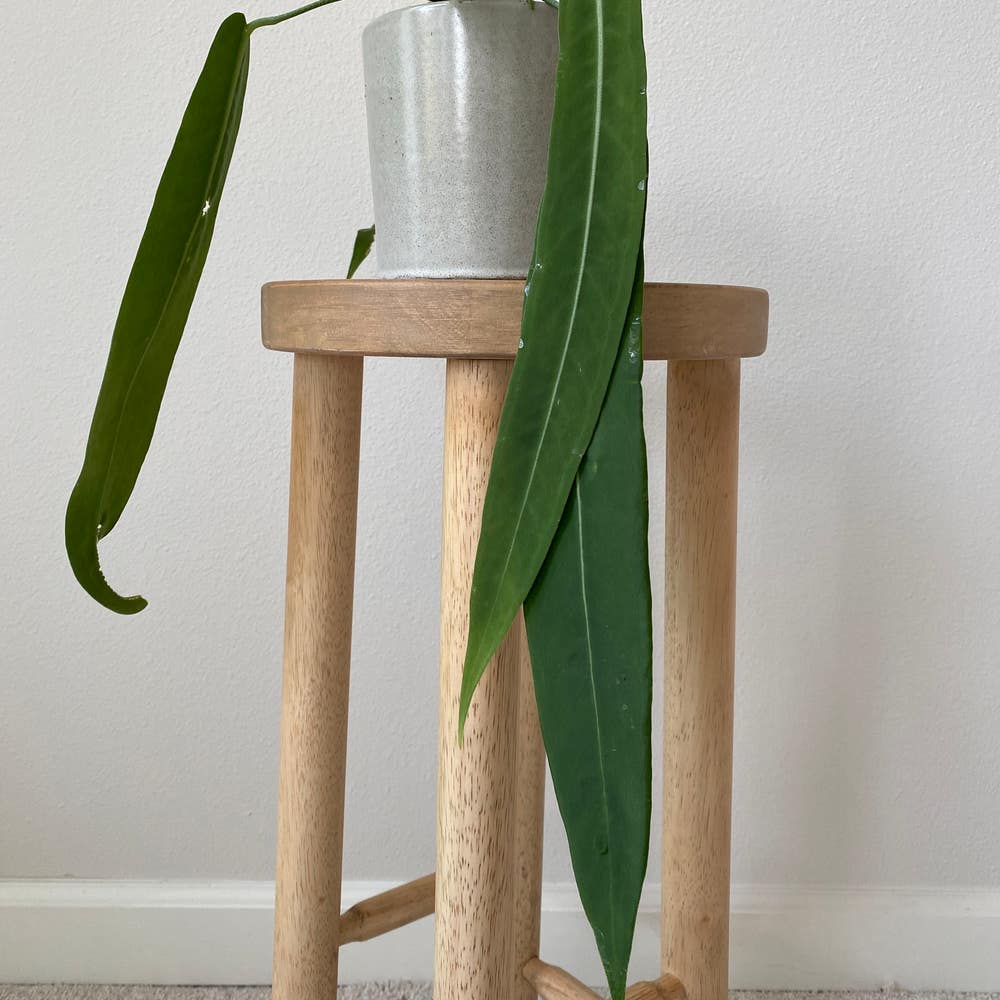
Anthurium pallidiflorum
By the Greg Editorial Team
Oct 18, 2024•5 min read
This article was created with the help of AI so we can cover more plants for you. May contain errors. See one? Report it here.
- 🌞 Bright, indirect sunlight for 6-8 hours daily is vital for blooming anthuriums.
- 🌱 Balanced fertilizer every 4-6 weeks boosts vibrant blooms and prevents deficiencies.
- 💧 Avoid overwatering to prevent root rot and flower drop; let soil dry out.
Failure to Bloom
🌞 Potential Causes
Light Requirements
Insufficient indirect sunlight can inhibit blooming in your anthurium. Conversely, too much direct sunlight can scorch the leaves and reduce flower production.
Nutritional Deficiencies
A lack of essential nutrients, particularly phosphorus, can lead to poor flowering. Ensuring your plant gets the right nutrients is crucial for vibrant blooms.
Environmental Stress
Temperature fluctuations and inadequate humidity can stress the plant, affecting its bloom cycle. Maintaining a stable environment is key to encouraging flowers.
💡 Solutions
Adjusting Light Conditions
Position your anthurium in a location with bright, indirect sunlight for 6-8 hours daily. This balance will help stimulate blooming without harming the leaves.
Fertilization Tips
Use a balanced fertilizer with a higher phosphorus content during the growing season. Aim to feed your plant every 4-6 weeks during its active growth phase for optimal results.
By addressing these potential causes and implementing these solutions, you can encourage your anthurium to bloom beautifully. Next, let’s explore the issue of premature flower drop and how to tackle it effectively.
Premature Flower Drop
🌧️ Causes
Overwatering
Excess moisture is a common culprit behind premature flower drop in Anthuriums. When the roots sit in waterlogged soil, they can rot, leading to a decline in flower health.
Pests
Pests like aphids and spider mites can wreak havoc on your plant. These tiny invaders weaken the Anthurium, often resulting in bud drop as the plant struggles to survive.
Humidity Levels
Low humidity can stress your Anthurium, causing flowers to drop unexpectedly. Maintaining the right humidity is crucial for keeping your plant happy and blooming.
🛠️ Solutions
Watering Techniques
To combat overwatering, allow the top inch of soil to dry out before watering again. Ensure your pot has proper drainage to prevent water from pooling.
Pest Control
Regular inspections for pests are essential. If you spot any, treat your plant with neem oil or insecticidal soap to keep infestations at bay.
Humidity Management
Aim to maintain humidity levels between 60-80%. You can achieve this by using a humidifier or placing a pebble tray filled with water near your plant.
By addressing these issues, you can help your Anthurium thrive and enjoy a vibrant display of flowers. Next, let’s explore how abnormal flower development can affect your plant’s beauty.
Abnormal Flower Development
🌱 Causes
Nutrient Deficiencies
Abnormal flower development in Anthurium often stems from nutrient deficiencies. A lack of potassium and magnesium can lead to flowers that are misshapen or poorly formed.
Light Issues
Inadequate light is another culprit. When the plant doesn't receive enough indirect sunlight, it can result in weak flower stems and hinder proper flower development.
💡 Solutions
Soil Amendments
To combat these issues, consider incorporating slow-release fertilizers or organic compost into the soil. This enriches the nutrient content, providing the essential elements your Anthurium needs for robust flowering.
Light Adjustments
Additionally, ensure your plant receives adequate indirect light. Positioning it in a bright spot for 6-8 hours daily can significantly enhance flower health and development.
By addressing these causes and implementing the suggested solutions, you can foster a thriving Anthurium that produces beautiful blooms. Next, let’s explore how pests and diseases can impact flowering and what you can do to protect your plant.
Pests and Diseases Impacting Flowering
🐜 Common Pests
Identifying pests early is crucial for maintaining healthy Anthurium plants.
- Aphids: These small, green insects suck sap from the plant, leading to stunted growth and flower drop.
- Spider Mites: Tiny and often overlooked, these web-spinning pests cause leaf discoloration and can also result in flower loss.
🧪 Treatment Options
Addressing pest issues can be challenging but is essential for your plant's health.
- Organic Solutions: Insecticidal soap or neem oil can effectively control pest populations.
- Beneficial Insects: Introducing ladybugs can provide natural pest management, helping to keep aphids and spider mites at bay.
🦠 Diseases
Fungal and bacterial diseases can severely impact flowering.
- Root Rot: Often caused by overwatering, this disease can devastate your plant's ability to bloom.
- Bacterial Blight: This condition leads to wilting and flower drop, further stressing your Anthurium.
🛡️ Prevention and Treatment Strategies
Preventing pests and diseases is easier than dealing with them after they appear.
- Proper Drainage: Ensure your pot has adequate drainage to avoid overwatering.
- Sterilized Tools: Always use clean tools to maintain a healthy growing environment.
By staying vigilant and proactive, you can protect your Anthurium from pests and diseases, ensuring vibrant blooms year-round. Next, let’s explore how pruning and maintenance can enhance flowering.
Pruning and Maintenance for Better Flowering
Importance of Pruning 🌱
Pruning is essential for promoting healthy growth in your anthurium. Regularly trimming back dead or yellowing leaves and spent flowers redirects the plant's energy, encouraging more blooms.
Best Practices for Pruning ✂️
Focus on removing any unhealthy foliage to enhance air circulation and light penetration. This simple act can significantly boost your plant's overall vitality and flowering potential.
Seasonal Maintenance 🌸
Timing is crucial when it comes to pruning. Aim to prune your anthurium after it has finished blooming to prepare it for the next cycle of growth.
Timing for Pruning and Care Adjustments ⏰
Adjust your care routine based on the seasons. For instance, during the growing season, you might need to prune more frequently to keep the plant healthy and thriving.
Seasonal Considerations for Optimal Flowering 🌞
Be mindful of how seasonal changes affect your anthurium. As light and temperature fluctuate, tweak your watering and fertilization practices to ensure your plant remains vibrant and ready to bloom.
By incorporating these pruning and maintenance tips, you'll set the stage for a flourishing anthurium that dazzles with its beautiful flowers. Next, let's explore how to tackle pests and diseases that can impact flowering.
⚠️ Safety First
This content is for general information and may contain errors, omissions, or outdated details. It is not medical, veterinary advice, or an endorsement of therapeutic claims.
Always consult a qualified healthcare professional before using any plant as food, medicine, or supplement.
Never eat any plant (or feed one to pets) without confirming its identity with at least two trusted sources.
If you suspect poisoning, call Poison Control (800) 222-1222, the Pet Poison Helpline (800) 213-6680, or your local emergency service immediately.
Spotted an error? Please report it here.
Transform your anthurium into a blooming beauty 🌺 by using Greg's tailored care reminders and expert tips to ensure it thrives all year round!