🌺 5 Outdoor Care Tips for Anthurium
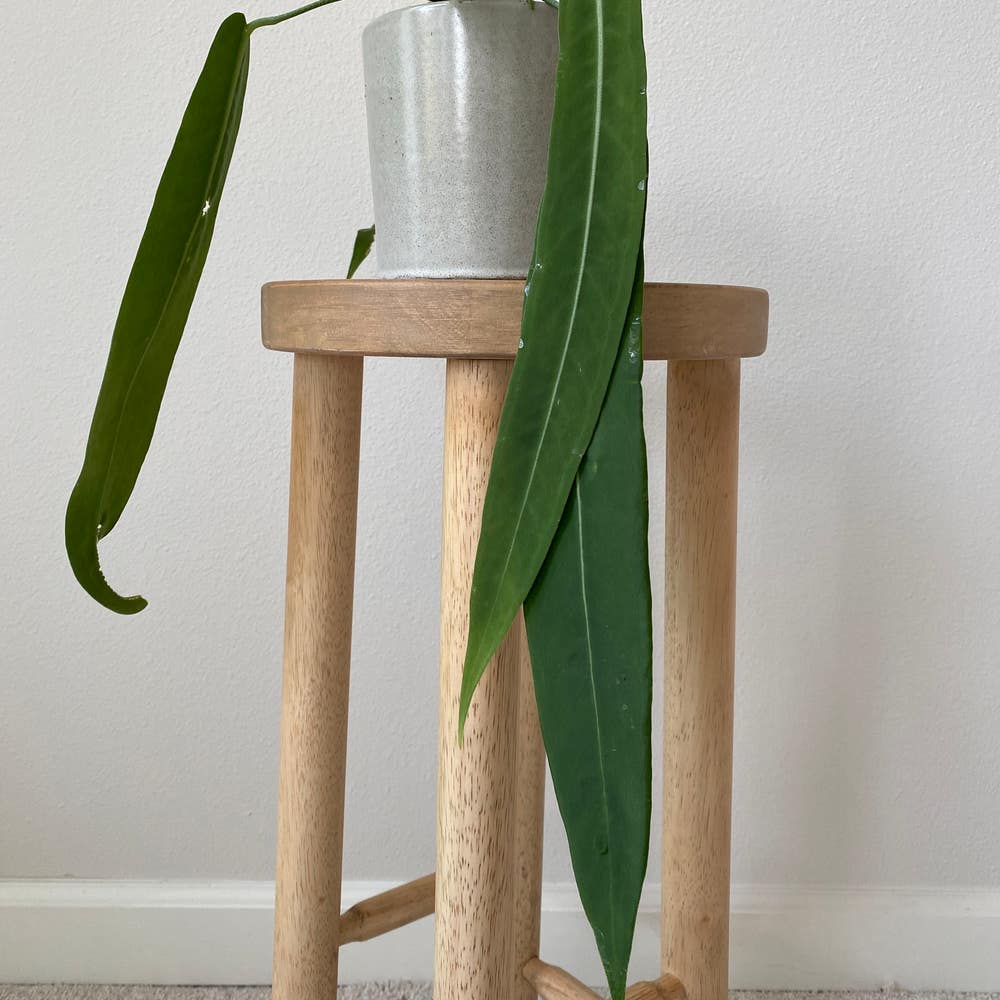
Anthurium pallidiflorum
By the Greg Editorial Team
Oct 18, 2024•7 min read
This article was created with the help of AI so we can cover more plants for you. May contain errors. See one? Report it here.
- 🌞 Anthuriums need 4-6 hours of bright, indirect light to thrive and avoid sunburn.
- 💧 Water when the top inch of soil is dry; adjust for seasonal changes.
- 🐛 Watch for pests like aphids; use neem oil for effective control.
Sunlight Requirements
Ideal Sunlight Exposure 🌞
Anthuriums thrive in bright, indirect light. They prefer 4-6 hours of filtered sunlight daily, which helps them flourish without the risk of sunburn.
Signs of Inadequate Light 🚨
If your Anthurium's leaves start to yellow or develop brown edges, it’s a sign of inadequate light. Stunted growth, including fewer flowers and less foliage, can also indicate that your plant isn’t getting enough light.
Adjusting Light Conditions 🌳
To protect your Anthurium from harsh sunlight, consider using shade cloth during peak hours. Additionally, relocating pots to shadier spots can help maintain optimal light conditions as needed.
Understanding and adjusting your Anthurium's light exposure is crucial for its health. Next, let’s explore the watering needs and frequency to keep your plant thriving.
Watering Needs and Frequency
🌊 General Watering Guidelines
Anthuriums thrive when you water them just right. Check the top inch of soil; if it feels dry, it’s time to give your plant a drink.
Deep watering is the way to go. This method encourages strong root growth, ensuring your Anthurium gets the hydration it needs.
🚨 Signs of Overwatering and Underwatering
Keep an eye on your plant for signs of distress. Overwatering can lead to yellowing leaves and root rot, while underwatering results in wilting leaves and dry soil.
Understanding these signs helps you adjust your care routine effectively.
🌡️ Seasonal Adjustments
As the temperature rises, your Anthurium will need more water. During hot months, monitor soil moisture closely to keep your plant happy.
In cooler months, dial back the watering. Allow the soil to dry out slightly between waterings to prepare your plant for its dormant phase.
With these watering tips, your Anthurium will flourish, setting the stage for the next section on soil preferences and amendments.
Soil Preferences and Amendments
Ideal Soil Composition 🌱
Anthuriums thrive in well-draining soil that’s rich in organic matter. A mix containing peat moss or coconut coir provides the perfect foundation for healthy growth.
The pH level is crucial too; aim for slightly acidic to neutral, ideally between 5.5 and 7.0. This balance ensures that your plant can absorb nutrients effectively.
Soil Amendments 🧪
To enhance drainage, consider adding perlite or sand to your soil mix. These amendments prevent water from pooling, which can lead to root rot.
Incorporating compost boosts nutrient content, giving your Anthurium the nourishment it craves. This not only supports growth but also improves soil structure.
Soil Testing 🔍
Regular soil testing is vital for optimal growth conditions. It helps you understand the nutrient levels and pH balance, allowing for timely adjustments.
Aim to test your soil every 1-2 years. This proactive approach ensures your Anthurium remains healthy and vibrant.
With the right soil care, your Anthurium will flourish, setting the stage for the next crucial aspect: fertilization.
Fertilization Schedule and Types
Fertilization Frequency 🌱
Anthuriums thrive with a consistent feeding schedule. During the growing season—spring and summer—aim to fertilize monthly to support their vibrant growth.
As the seasons shift to fall and winter, reduce the frequency of fertilization. This aligns with the plant's natural dormant phase, allowing it to conserve energy.
Types of Fertilizers 🧪
When selecting fertilizers, consider balanced NPK options like 10-10-10 or 20-20-20 formulations. These provide a well-rounded nutrient profile essential for healthy growth.
For those leaning towards organic methods, fish emulsion and seaweed extract are excellent choices. They not only nourish the plant but also promote a healthier soil ecosystem.
Application Methods 💧
You can choose between liquid and granular fertilizers, each with its own advantages. Liquid fertilizers offer quick absorption, while granular options provide a slow-release effect.
Regardless of the type you choose, always follow the package instructions. This is crucial to prevent nutrient burn, which can harm your beloved Anthurium.
With the right fertilization approach, your Anthurium will flourish, setting the stage for the next section on weather protection and pest management.
Weather Protection and Pest Management
Strategies for Protecting from Extreme Weather 🌩️
Anthuriums thrive best when shielded from harsh weather conditions. Providing shade is essential; consider using shade cloth or planting your Anthurium near taller plants to filter intense sunlight.
During cold snaps, covering your plants with frost cloths or blankets can make a significant difference. This simple step helps retain warmth and protects delicate leaves from frost damage.
Common Outdoor Pests 🐛
Outdoor plants can attract various pests, and Anthuriums are no exception. Keep an eye out for aphids, which often leave curled leaves and a sticky residue behind.
Another common pest is the mealybug, identifiable by its cotton-like masses on leaves and stems. Early detection is key to managing these nuisances effectively.
Control Methods 🧴
When it comes to pest control, neem oil and insecticidal soap are your best friends. Both are effective options that can help keep your Anthurium healthy and pest-free.
Additionally, consider crop rotation and companion planting. These methods not only prevent disease spread but also promote a healthier garden ecosystem.
With these strategies in place, your Anthurium will be better equipped to handle the elements and fend off unwanted pests. Next, let’s explore the seasonal care tips to keep your plant thriving year-round.
Seasonal Care
Spring Care Tips 🌸
Spring is the perfect time to rejuvenate your anthurium. Start by pruning away any dead or damaged leaves to encourage fresh growth.
Next, as the days get longer, begin your monthly fertilization routine. This will provide the nutrients your plant needs to thrive during its active growth phase.
Summer Care Considerations ☀️
As temperatures rise, your anthurium will require more attention. Increase your watering frequency and keep a close eye on soil moisture to prevent it from drying out.
Summer is also the season for pests. Regularly inspect your plants for any signs of infestation to catch issues early.
Fall Preparation for Winter 🍂
As fall approaches, it's time to adjust your care routine. Begin reducing watering to help your anthurium prepare for its dormant phase.
Mulching is another essential step. A layer of mulch will protect the roots from temperature fluctuations as the weather cools.
Winter Care Strategies ❄️
In colder climates, consider relocating your anthurium indoors. This will shield it from frost and harsh conditions.
For those still outdoors, frost protection is crucial. Use covers or move your plants to sheltered areas to keep them safe during chilly nights.
By following these seasonal care tips, you can ensure your anthurium remains healthy and vibrant throughout the year. Next, let’s explore special considerations for unique climate challenges and care techniques.
Special Considerations
🌍 Climate Zone Adaptations
Understanding your climate zone is crucial for successful anthurium care. Tailoring your approach based on USDA hardiness zones ensures your plants thrive in their specific environment.
Selecting the right varieties suited for your climate can make a significant difference. Some anthuriums are more resilient to heat, while others prefer cooler conditions.
⚠️ Unique Challenges
Humidity levels can be a game-changer for anthuriums. Using misting or pebble trays can help maintain the moisture they crave, especially in drier climates.
Extreme weather poses unique challenges as well. Preparing for storms or heatwaves can protect your plants from damage and ensure they remain healthy.
🌱 Tips for Beginners vs. Advanced Techniques
For beginners, starting with container planting and easy-care varieties is a smart move. This approach allows for manageable growth and easier monitoring.
Advanced gardeners can explore propagation and hybridization methods. These techniques offer exciting opportunities to expand your collection and experiment with new varieties.
By considering these special factors, you can enhance your anthurium care and enjoy a flourishing garden. Next, let’s dive into seasonal care tips to keep your plants thriving year-round.
⚠️ Safety First
This content is for general information and may contain errors, omissions, or outdated details. It is not medical, veterinary advice, or an endorsement of therapeutic claims.
Always consult a qualified healthcare professional before using any plant as food, medicine, or supplement.
Never eat any plant (or feed one to pets) without confirming its identity with at least two trusted sources.
If you suspect poisoning, call Poison Control (800) 222-1222, the Pet Poison Helpline (800) 213-6680, or your local emergency service immediately.
Spotted an error? Please report it here.
Keep your Anthurium thriving outdoors 🌞 with these care tips, and let Greg provide tailored watering reminders and expert advice to help you succeed every step of the way!