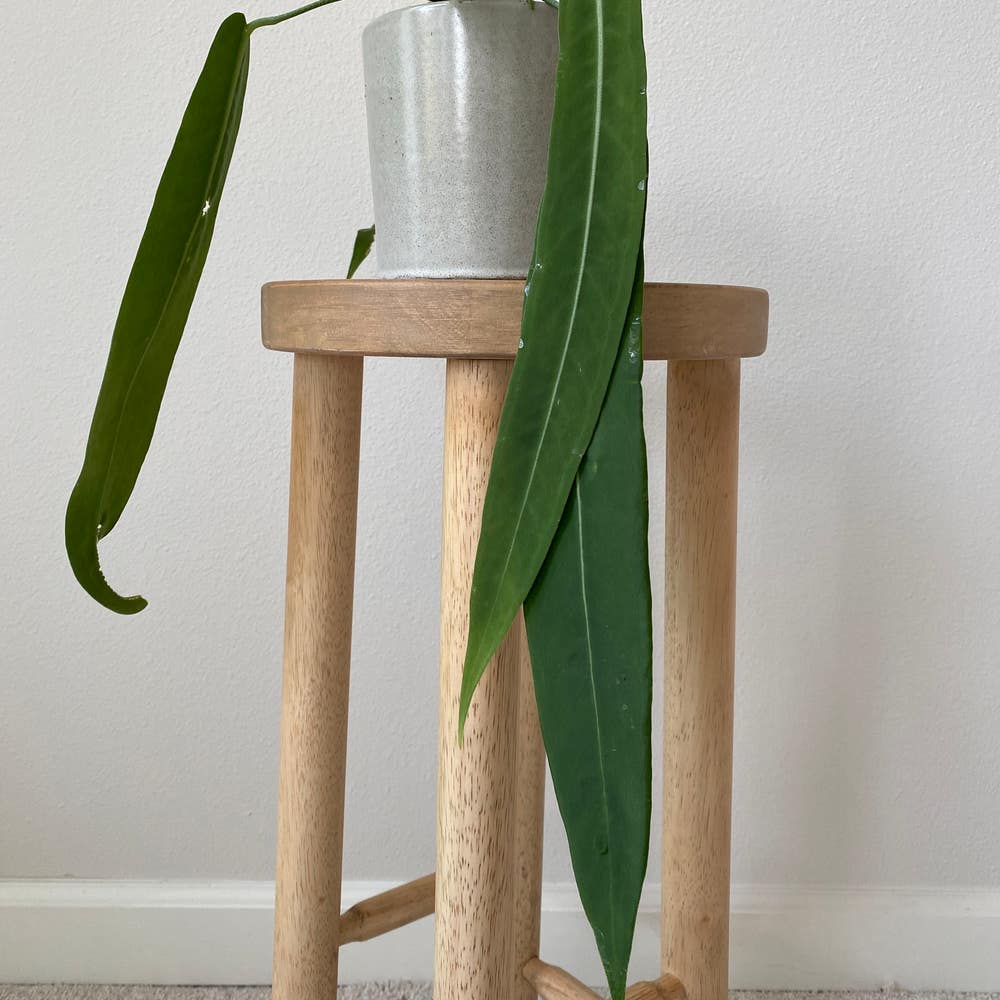
Why Are My Anthurium pallidiflorum Leaves Dropping?
Anthurium pallidiflorum
By the Greg Editorial Team
Jun 18, 2024•4 min read
This article was created with the help of AI so we can cover more plants for you. May contain errors. See one? Report it here.
- Overwatering and underwatering both lead to leaf drop; balance is crucial.
- 🌡️🌿 Stable climate and light are key to preventing limp or fallen leaves.
- Consistent care routine with proper soil and pot prevents future issues.
Pinpointing the Culprits Behind Leaf Drop
💧 Overwatering: The Silent Killer
Yellow leaves that feel mushy are waving red flags at you. Overwatering might be your misstep. Check the soil; if it's wetter than a dish sponge, it's time to ease up on the aqua. Drainage holes are a must to avoid soggy soil syndrome.
🏜️ Underwatering: A Thirsty Problem
Crispy or wrinkled leaves are your Anthurium pallidiflorum's way of saying, "I'm thirsty!" If the soil is as dry as a bone, it's time for a drink. But don't drown your plant in your eagerness to hydrate; let the soil dry out a bit between waterings.
🌡️ Temperature and Humidity: The Climate Conundrum
Limp leaves? They could be reacting to a temperature tantrum or a humidity hiccup. Use a thermometer and hygrometer to monitor your plant's climate. Keep your Anthurium away from drafts and heat sources, and consider a humidifier or pebble tray to maintain steady air moisture.
🌞 Light Exposure: Finding the Sweet Spot
Leaves dropping like flies could mean your plant is getting too much sun or not enough. Aim for that goldilocks zone of bright, indirect light. If your Anthurium is baking like a cookie in the sun, move it to a shadier spot before it gets a sunburn.

First Aid for Fallen Leaves
💧 Resuscitating Overwatered Soil
Overwatered Anthurium pallidiflorum can feel like a soggy mess. Cease watering immediately to let the soil dry. If the pot's drainage is as poor as a clogged sink, consider repotting with a well-draining mix. In the meantime, tilt the pot to encourage drainage, or use a turkey baster to remove excess water—yes, really.
🚰 Rehydrating the Right Way
Underwatered? Your plant's as parched as a desert cactus. Moderation is key: water deeply but infrequently, ensuring the top inch of soil dries out before the next session. Think of it like a stiff drink after a long day—satisfying but not overdone.
🌡 Stabilizing the Climate
If your Anthurium pallidiflorum is shivering or sweating, it's time for climate control. Keep temperatures between 65-80°F and humidity around 60-80%. Use a humidifier or a pebble tray to up the moisture. Remember, your plant's not asking for a sauna or an ice bath—just a comfortable middle ground.
🌞 Adjusting the Lights
Too much light and your plant will crisp up like overdone toast. Too little and it's as leggy as a runway model. Aim for bright, indirect light—think of it as a cozy reading nook, not a spotlight or a dungeon. Rotate your plant regularly for even growth and to prevent an awkward plant posture.

Fortifying Your Anthurium pallidiflorum Against Future Falls
🌱 The Perfect Pot and Soil Setup
Choosing the right pot and soil for your Anthurium pallidiflorum isn't just about aesthetics; it's about survival.
🏺 Pot Selection
Go for a pot with drainage holes—non-negotiable. Your plant's roots despise a soggy bottom. Size matters too; pick one that's cozy but not cramped, giving your plant's roots room to breathe without drowning in excess soil.
🌿 Soil Composition
The soil should be the life of the party for roots—a mix that's well-aerated, well-draining, yet holds onto moisture like a cherished memory. Think equal parts peat moss, pine bark, and perlite. It's like creating a mini rainforest in a pot.
🌼 The Art of Consistent Care
Consistency is king when it comes to Anthurium care.
💧 Watering Wisdom
Water when the top inch feels like a dry handshake—no more, no less. If you're the forgetful type, consider a soil moisture meter to back you up.
🌱 Feeding Finesse
Feed your Anthurium a quarter-strength liquid fertilizer monthly during the growing season. It's like a light snack—enough to keep it going without the bloat.
✂️ Pruning Practices
Prune from the top down. Deadhead flowers, snip off yellow leaves, and keep it looking sharp. It's not just about looks; it's about preventing a jungle of decay.
🌱 Repotting Routine
Repot every two to three years or when it starts looking like it's wearing a too-tight belt. Fresh soil equals a fresh start, and worm castings are like a superfood smoothie for your plant.
By nailing the perfect pot and soil setup and mastering the art of consistent care, your Anthurium pallidiflorum will be more equipped to stand tall and avoid future leaf drop. It's about creating a stable home and sticking to a routine that's as regular as your morning coffee.

⚠️ Safety First
This content is for general information and may contain errors, omissions, or outdated details. It is not medical, veterinary advice, or an endorsement of therapeutic claims.
Always consult a qualified healthcare professional before using any plant as food, medicine, or supplement.
Never eat any plant (or feed one to pets) without confirming its identity with at least two trusted sources.
If you suspect poisoning, call Poison Control (800) 222-1222, the Pet Poison Helpline (800) 213-6680, or your local emergency service immediately.
Spotted an error? Please report it here.
Ensure your Anthurium pallidiflorum stays leaf-drop free 🍂 with Greg's personalized reminders for the perfect watering, lighting, and climate balance.