🌞 Is Direct Sunlight Good for My Anthurium pallidiflorum?
Anthurium pallidiflorum
By the Greg Editorial Team
Jun 18, 2024•4 min read
This article was created with the help of AI so we can cover more plants for you. May contain errors. See one? Report it here.
- 🌿 Anthurium pallidiflorum thrives in shade, mimicking its natural dappled light habitat.
- 🏡 North or east-facing windows are ideal, providing gentle, consistent light.
- 🌞 Direct sunlight can cause damage, watch for brown spots and dehydration.
Sunlight Simplified: Direct vs. Indirect
🌞 What is Direct Sunlight?
Imagine the sun playing tag with your plant; when it's "it," that's direct sunlight. It's the full, unfiltered power of the sun reaching the leaves without any barriers.
🌅 Direct vs. Indirect Sunlight
Direct sunlight is the main event, where the sun's rays beam straight onto your plant. Indirect sunlight is the supporting act—gentler, diffused light, often bounced or filtered before it whispers to your plant's leaves.

Anthurium pallidiflorum and the Sunlight Tango
🌿 Native Habitat Clues
The Anthurium pallidiflorum is no sunbather; it's a lover of the shade. Originating from the understory of tropical forests in Colombia and Ecuador, this plant is accustomed to the dappled light that filters through the canopy. It's a world away from the harsh direct sunlight that often hits our windowsills.
🌱 Leaves Tell a Story
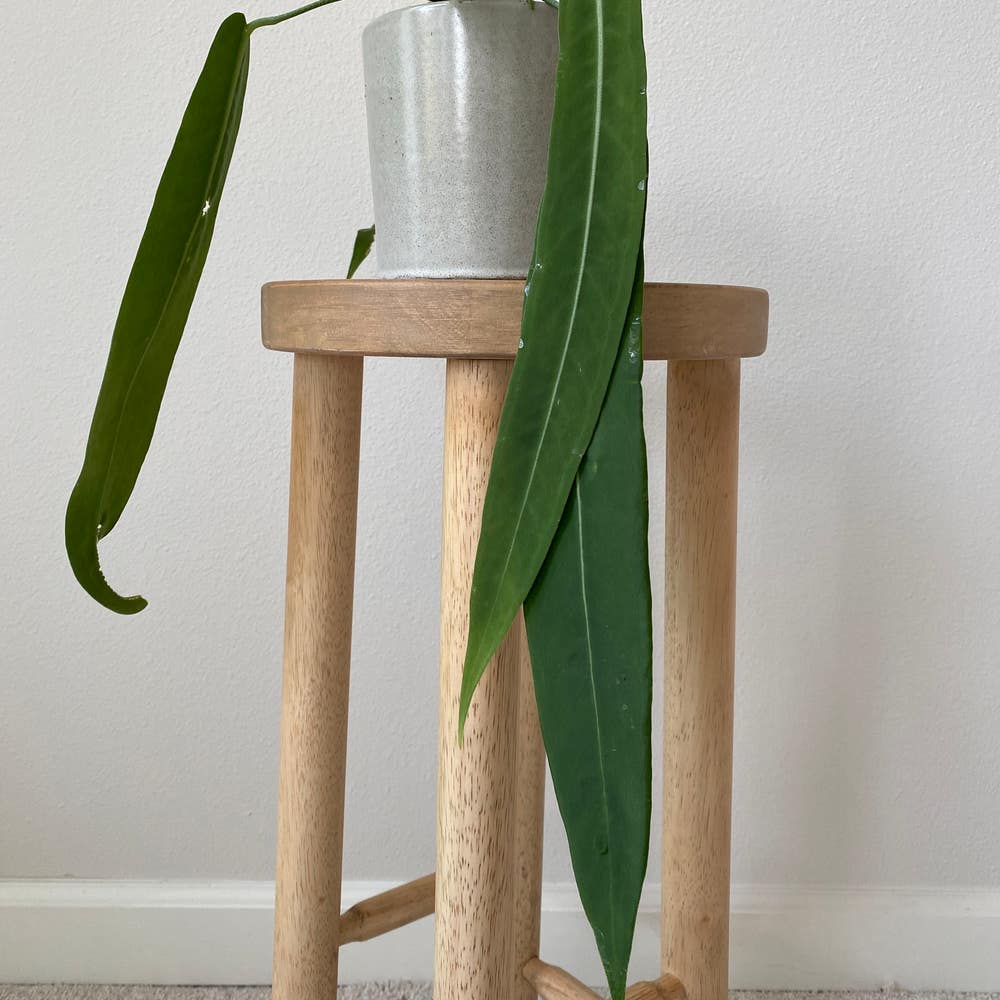
The leaves of the Anthurium pallidiflorum are like nature's own solar panels, dark green and velvety, stretching up to 65 centimeters long. They're designed to soak up every photon of light in their dim natural habitat, which means in your home, they'll want that sweet spot of bright, indirect sunlight. Too much direct sun, and those leaves will throw a fit—think sunburn and a plea for shade.

When the Sun Hits Your Windowsill
🌞 Window Direction Dance
North, south, east, or west, the direction your window faces determines the dance of light in your home. North-facing windows offer a calm, consistent light that won't overwhelm your Anthurium pallidiflorum. South-facing windows are the spotlight, bathing plants in bright, direct light all day—great for sun-lovers, but a potential hazard for those that prefer the shade.
East-facing windows greet your plants with a gentle morning light, perfect for a soft start. West-facing windows, however, pack an afternoon punch of intense light that can be too harsh if not managed with care. Remember, the light's intensity can vary based on obstacles like buildings or trees that might cast shadows and offer relief.
🌍 Hemisphere Harmony
The hemisphere you're in flips the usual suspects. In the Southern Hemisphere, north-facing windows are the south's equivalent, soaking in the most sun. But regardless of hemisphere, east-facing windows maintain their reputation for providing that soft morning light that most houseplants, including Anthurium pallidiflorum, find delightful.
As the sun's angle changes with the seasons, so does the light your windowsill receives. In summer, the sun is high, and south-facing windows might turn into scorching saunas for your plants. In winter, the lower angle means even south-facing windows offer a milder touch. Keep this seasonal choreography in mind to avoid a sunburned Anthurium.

Spotting the Signs: Too Much Sun
☀️ Sunburn and Your Anthurium
Sunburn on your Anthurium pallidiflorum isn't a beachside souvenir; it's a cry for help. Look for leaves with brown or yellow spots, a telltale sign they've been overexposed. Leaves might also appear translucent or have a bleached look, as if they've been dabbling in plant peroxide. When edges get crispy, it's not a new leaf hairstyle—it's damage. If your Anthurium's leaves could talk, they'd be begging for some shade.
🥤 Thirsty Leaves
Dehydration in plants is like a bad hangover—everything wilts and nothing feels right. If your Anthurium's leaves seem thirstier than a marathon runner at the finish line, they're likely getting too much sun. They might curl up, trying to shield themselves from the harsh rays. Soil moisture checks are your new best friend; they'll tell you if your plant is drying out faster than it should. Remember, proper air circulation is crucial; it's the difference between a gentle breeze and a scorching wind tunnel for your Anthurium.
Setting Up for Success: Light Right for Anthurium pallidiflorum
🌟 The Perfect Spot
Finding the ideal location for your Anthurium pallidiflorum is like setting the stage for a star performer. It's all about bright, indirect light. A north or east-facing window usually hits the sweet spot, bathing your plant in gentle morning light or soft afternoon glow. But keep an eye out for too much shade from nearby buildings or trees. If your space is a bit dim, don't shy away from artificial lighting; just ensure it's not too intense to avoid leaf burn.
🕶 Sun Shields
Sheer curtains or blinds are your Anthurium's best friends. They act like a sunscreen, filtering out harsh rays and preventing the dreaded sunburn. Think of them as a light dimmer, allowing you to adjust the intensity as the sun moves across the sky. And remember, rotating your plant with each watering encourages even growth, keeping your Anthurium looking symmetrical and splendid.
⚠️ Safety First
This content is for general information and may contain errors, omissions, or outdated details. It is not medical, veterinary advice, or an endorsement of therapeutic claims.
Always consult a qualified healthcare professional before using any plant as food, medicine, or supplement.
Never eat any plant (or feed one to pets) without confirming its identity with at least two trusted sources.
If you suspect poisoning, call Poison Control (800) 222-1222, the Pet Poison Helpline (800) 213-6680, or your local emergency service immediately.
Spotted an error? Please report it here.
Ensure your Anthurium pallidiflorum gets just the right amount of dappled light 🌿 with Greg's PlantVision, which tailors care reminders to your home's specific sunlight conditions.