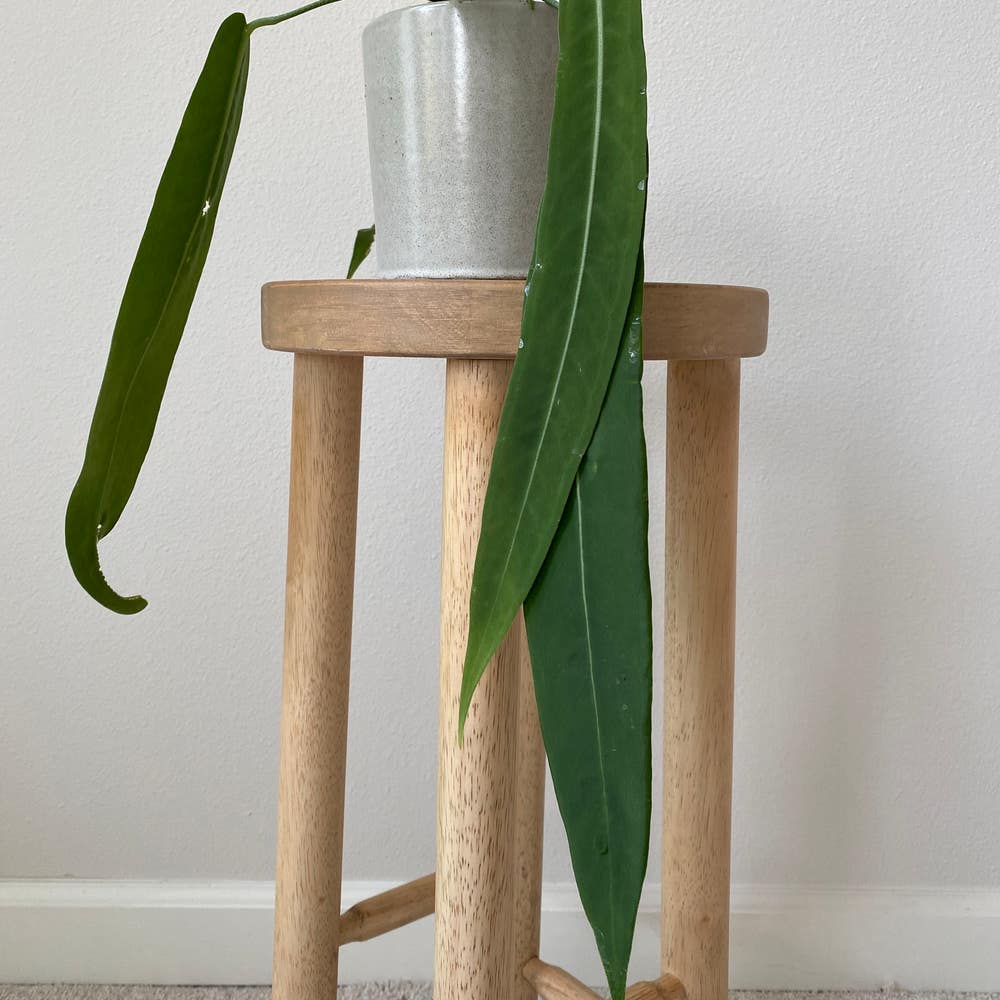
Anthurium pallidiflorum - Fertilizing 101
Anthurium pallidiflorum
By the Greg Editorial Team
Jun 18, 2024•3 min read
This article was created with the help of AI so we can cover more plants for you. May contain errors. See one? Report it here.
- 🌱 Fertilize in growth spurts for lush leaves and blooms.
- 🚫 Avoid winter fertilization to prevent nutrient overload.
- 🌼 Use balanced NPK fertilizer and water-soluble for quick boost.
Timing is Everything: When to Fertilize
🌱 Reading the Growth Cycle
Growth spurts and blooming periods are your green light for fertilization. In the spring, as new leaves unfurl, your Anthurium pallidiflorum is shouting for nutrients. It's the prime time to provide a boost every two to four weeks, aligning with its natural rhythm for lush leaves and vivid blooms.
During the summer, maintain this momentum but watch closely for signs of slowing growth. As the plant transitions, so should your fertilization frequency, ensuring you're not pushing it beyond its needs.
🚫 The No-No's of Dormancy
When the Anthurium pallidiflorum's growth takes a winter nap, your fertilizer should too. Over-fertilizing during dormancy is like revving a car engine in neutral—it wastes fuel and can cause damage. Reduce or even halt fertilization as the plant's metabolism slows, to avoid nutrient overload and potential harm.

Choosing Your Green Thumb Ammo: Selecting the Right Fertilizer
💧 Decoding NPK Ratios
NPK ratios are the backbone of fertilizer talk. For Anthurium pallidiflorum, it's about striking a balance. Nitrogen (N) keeps the leaves vibrant, Phosphorus (P) pushes those blooms, and Potassium (K) is the all-around health guru. A balanced ratio like 10-10-10 is typically a safe bet. But don't ignore the micronutrients; they're like the secret spices that make the dish.
💦 Liquid Gold: Water-Soluble Fertilizers
Water-soluble fertilizers are the quick fix your Anthurium pallidiflorum craves. They're fast-acting, perfect for a plant in need of a swift nutrient boost. Think of them as the espresso shot to your plant's morning routine. But, like caffeine, moderation is key to avoid the jitters—or in this case, nutrient burn.

The Fertilization Tango: How to Apply
💧 Mixing it Right
Getting the dilution ratios just perfect is crucial. Over-concentrated mixes can harm the Anthurium pallidiflorum, while too diluted solutions might as well be plain water. Always start by following the manufacturer's instructions. However, don't hesitate to adjust slightly based on your plant's response. A little tweak here and there can make all the difference.
🔄 Frequency and Quantity
Consistency is your best friend when it comes to fertilizing frequency. Overzealousness can lead to nutrient overload, so stick to a regular schedule. Typically, feeding your Anthurium pallidiflorum every 6-8 weeks during the growing season hits the sweet spot. Remember, less can be more, so avoid the temptation to overdo it and keep the quantity in check as per the guidelines.

Oops, Too Much!: Recognizing and Fixing Over-Fertilization
🚨 Spotting Trouble
Over-fertilization can turn your Anthurium pallidiflorum's world upside down. Yellow leaves, brown tips, and a white crust on the soil are the plant's SOS signals. If the soil is wet but the leaves wilt, it's not a water issue—it's a nutrient overload.
💊 The Recovery Plan
When you've pushed the fertilizer envelope too far, it's time to dial it back. Stop fertilizing immediately and remove any visible fertilizer. Flush the soil with water to leach out the excess—think of it as a detox for your plant's roots. Repeat every few days, watching for signs of recovery. Trim away any damaged foliage to help your Anthurium pallidiflorum bounce back. If the situation is dire, consider repotting with fresh soil to give your plant a clean slate. Remember, less is often more when it comes to plant nutrition.
⚠️ Safety First
This content is for general information and may contain errors, omissions, or outdated details. It is not medical, veterinary advice, or an endorsement of therapeutic claims.
Always consult a qualified healthcare professional before using any plant as food, medicine, or supplement.
Never eat any plant (or feed one to pets) without confirming its identity with at least two trusted sources.
If you suspect poisoning, call Poison Control (800) 222-1222, the Pet Poison Helpline (800) 213-6680, or your local emergency service immediately.
Spotted an error? Please report it here.
Nurture vibrant blooms 🌺 and lush growth in your Anthurium pallidiflorum with Greg's tailored fertilizing schedule, ensuring your green friend gets just what it needs, when it needs it.